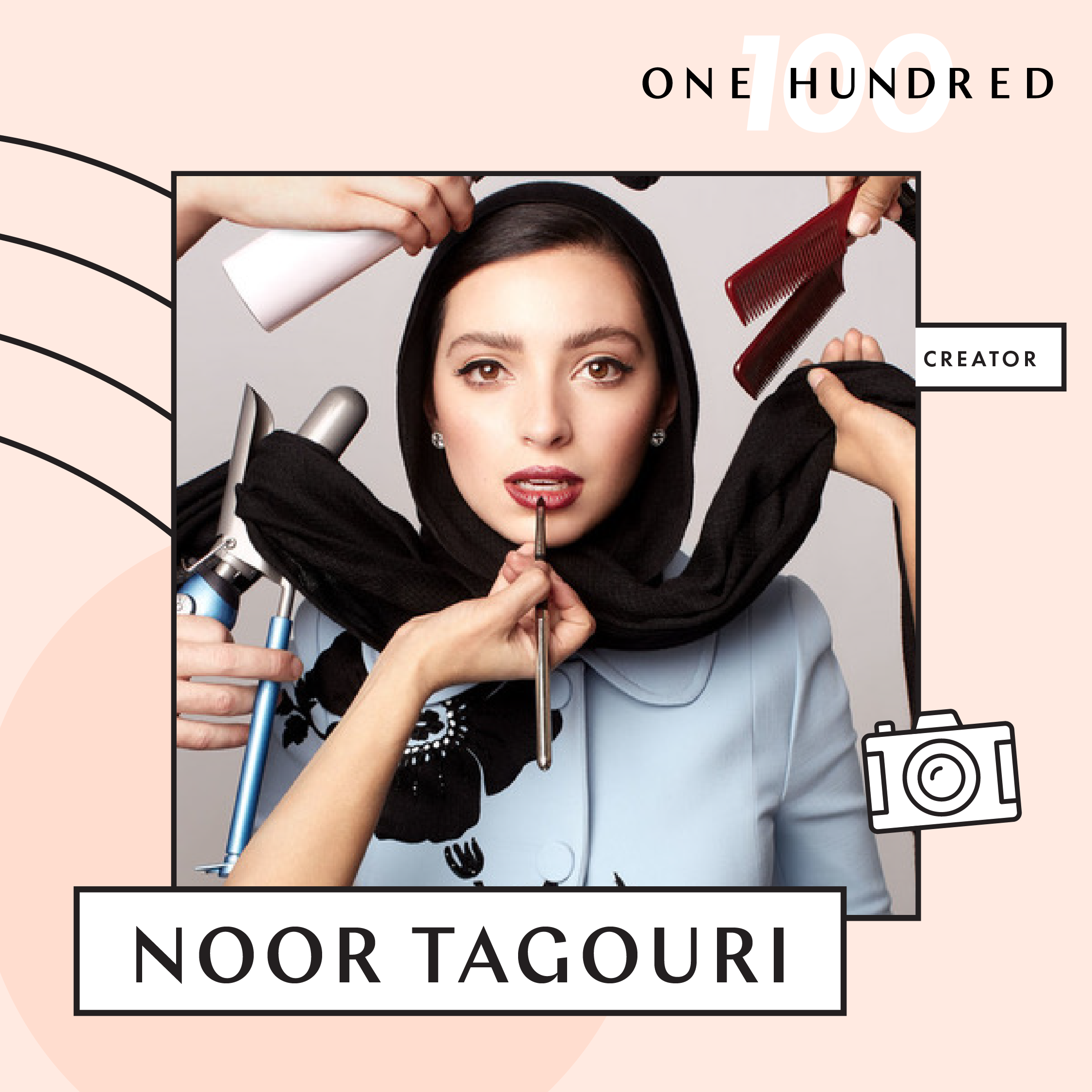
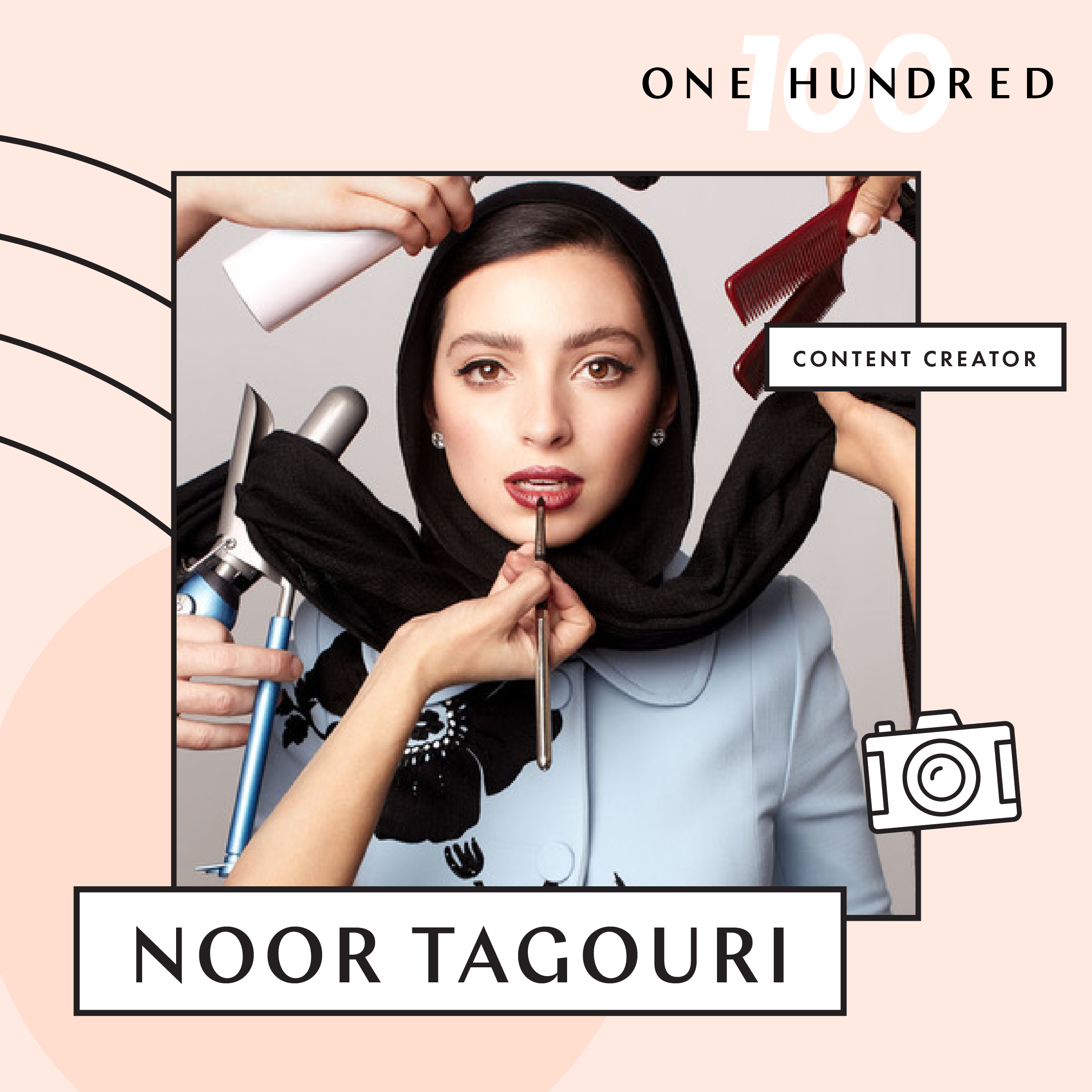
Create & Cultivate 100: Content Creator: Noor Tagouri
“I learned over and over again to trust your intuition.”


At 25 years old, Noor Tagouri is proving to be one of the most powerful voices of our generation. The Libyan-American journalist and public speaker is rewriting the script, flipping the narrative, and encouraging the next generation to stand up, speak out, and step into their power to be 100% authentically themselves. And the rest of the world is taking notice.
Best known for her grassroots reporting, Tagouri is brining much-needed conversation and representation of the marginalized to the greater community and the world. She put the sex trafficking industry in the U.S. under the spotlight with her podcast, Sold in America, which has now had over 1.5 million downloads; she is bringing her unique approach to storytelling into cinema with her production company, At Your Service; and she is amplifying the voices of the unheard and unseen with her ISeeYou Foundation.
Tagouri is proof that you can fuse ambition with purpose and change the world. Read on to hear her exceptional story, where she draws her confidence from, and why it is so important to tackle the hard conversations if we want to move forward.
CREATE & CULTIVATE: You are one of the most exceptional storytellers of our generation and we are beyond inspired by your culture-pushing interviews and documentaries. When did you know that this journalistic path was for you? Can you share your earliest memory?
NOOR TAGOURI: Ahh, this is so kind of you to say. My earliest memory was at three when my dad would take me to the mosque and I would go up to the microphone and just start breathing into it. LOL. But really, my parents say around six was when I started interviewing people, anyone. I remember my grandmother taking me to her mosaic class, and I started interviewing people. One man, a WWII vet, stood up and said we've been in this class for three months and didn't know more than each other's names and now you got us all to share our life stories! I remember feeling so proud and honored they opened up to me (a kid) and knowing this was exactly what I wanted to do forever.
Thanks to the powerful storytelling you're sharing, you've also been labeled an activist and are considered a social icon. With over half a million followers you are now an influencer in your own right. How do you use your influence? How do you use social media as a tool for your message and awareness?
I've used social media from the very start to try and share *good deed opportunities*—this was before any following just on a personal side. So, my family would do grocery and toiletry runs for local shelters and other ways to alleviate homelessness (that led to the formation of our ISeeYou Foundation). I still use it for these opportunities.
I also try to use it as a way to take people on my journey, I share struggles and bumps along the way as much as I can at the time. I try to lead by example so people know they really can live out their personal legends. Social media has been an incredible way to connect with others, to connect people with each other, and to help amplify other's voices. I've also been able to use it to find sources for stories and story ideas.
“I learned over and over again to trust your intuition.”
One of your projects was a documentary called Sold in America which is an investigative look inside the sex trade in the U.S. What pulled you towards this project and this topic in particular? Why was this such an important documentary for you to make?
The topic started out as just sex trafficking and then as we started reporting, we realized we couldn't tell this story without exploring the full spectrum of the sex trade. This project was so important to me because it was a cause I had been passionate about for years. I had written papers on it, reported on it at local news jobs, worked on a clothing line to combat sexual exploitation, and worked over 10 years with a shelter that housed women who experienced sexual violence (including exploitation.)
You just created your own production company At Your Service—congratulations! What was the catalyst for this decision? What is your vision for the company? What stories do you hope to tell/share?
To be honest, the decision came after a tumultuous year of dealing with media companies, agencies, and people who just didn't want what was best for the stories we were telling. We decided it was time for me to truly own my own work so we could choose exactly how we navigate partnerships and projects.
The vision is in the name—we are a company that truly aims to be At Your Service. I believe storytelling is a form of service and there are so many ways to do it. Right now we are working on documentary series, podcasts, speaking/workshops, and consulting.
When you hit a bump or hurdle in your career, how do you #FindNewRoads + switch gears to find success?
I renew my intentions. My way of setting goals is really setting purpose and intention. If I can do that, I can find a way to execute that in all aspects of work and life. Doors naturally open when you're living in purpose.
You have always spoken up for those who can't and be a figurehead for standing in your truth. Where does this confidence to pursue your own path and not bend to society's expectations and stereotypes come from? What message do you hope this spreads to the generations listening/watching?
I spent a lot of my life trying to be like and look like other people because I thought I needed to in order to pursue my dreams. I later realized the things society deemed as my weakness, or my personal insecurities could be used as my biggest strengths. I decided to embrace it all and it was incredibly freeing. I realized every single person in every single room I walked into had their own insecurities and their own life shit. Why should I compromise my comfort and self for the possible comfort of others? Life is too short, seriously think about that. How fast has this year gone by? The years before? It's not worth it. I promise you it isn't. Just be the truest version of you in every single space. You deserve it.
Following your own path can be scary for many young people so it's helpful to share the good with the bad. What have been some of your biggest challenges this year and what did you learn from them?
Ha! This year was one of my absolute hardest and absolute best years. I was betrayed, used, put down by people I worked with and trusted—so much has happened but wow am I in a better place. I learned over and over again to trust your intuition. I also learned that building a team that believes in the message takes work and effort. It's so, so worth it though. I'll just leave it at that for now.
Muslim women are underrepresented in the media and you have become an inspiration to many who see themselves in you. What advice do you have for those who are struggling to feel seen and represented in their field? How important is visibility? And what more needs to be done?
Look to those who have come before you, who have made it easier for you to be where you are today—even if that is still difficult. We have to learn from other's experiences too. Maya Angelou said, ‘I come as one, but I stand as 10,000.’ Call on your 10,000. Speak up and know you are not doing it for you—you are doing it for everyone who came before you and everyone who is coming after you. Visibility is so important, but it can't just be visibility on the surface. True inclusion is a seat at the decision-making table.
I also recognize that tokenization and surface diversity is often a prerequisite to getting that seat as a minority. The path is never easy, but it is always worth it. We come to the table with perspective, strength, perseverance, empathy, and knowledge.
One of the main things we admire so much about you and your work is that you're not just talking the talk, you take action. You recently started the I See You foundation with your family to alleviate homelessness in local communities. Can you tell us a little more about this organization and why you founded it? What is your message to those who feel helpless and aren't sure what to do to or the steps to take?
Our work in this space actually started in 2007! We made it official a couple summers ago after we asked someone what they needed and she responded, ‘we just need to be seen.’ This was our response to her and the community. My mom started this effort when she first met a woman experiencing homelessness who ran a shelter she lived in. We asked what they needed and she said toiletries, so we held toiletry drives for years. The demands changed and we consistently asked the community what they needed (instead of what we thought they needed.) That is what my mom always taught us when engaging in service.
ISeeYou works to alleviate homelessness in many ways including:
-Creating and distributing monthly hygiene packages, clothing, nutritious snacks, water, meals and more for people experiencing homelessness.
-Coordinating monthly grocery runs for local shelters.
-Distributing grocery gift cards for local families in need.
Right now we are working on our big annual winter care package runs. Our goal is to make 500 packages this year.
“True inclusion is a seat at the decision-making table.”
Looking back since you began your career, what's one thing you wish you could go back and tell yourself? Why?
Know you're freaking worth. I've realized now so many times I was taken advantage of and made to feel like it was a ‘favor’ to me to be in the spaces I was but it was only to make me feel undervalued. KNOW. YOUR. WORTH. PEOPLE.
Also, I would tell myself to show up on time. For people who aren't sure how to get started, simply ask someone in need what you can do to help. Everything counts. In Islam, we have a saying, “smiling is a form of charity." There is always something to give.
You are not afraid to tackle the hard conversations, whether on a podcast, through a documentary, or on your socials. What advice do you have for others hoping to embrace activism in their business or daily life? How can one become part of the conversation?
I hated that people used the term activist with me because I never identified as one. I knew the reason people would call me that was because I was a Muslim woman in a hijab doing shit so all of a sudden it was activism. But I realized the way I ‘do shit’ or tell stories really is a form of activism and service. I still don't personally call myself an activist, but I advocate for many things in every single aspect of my life.
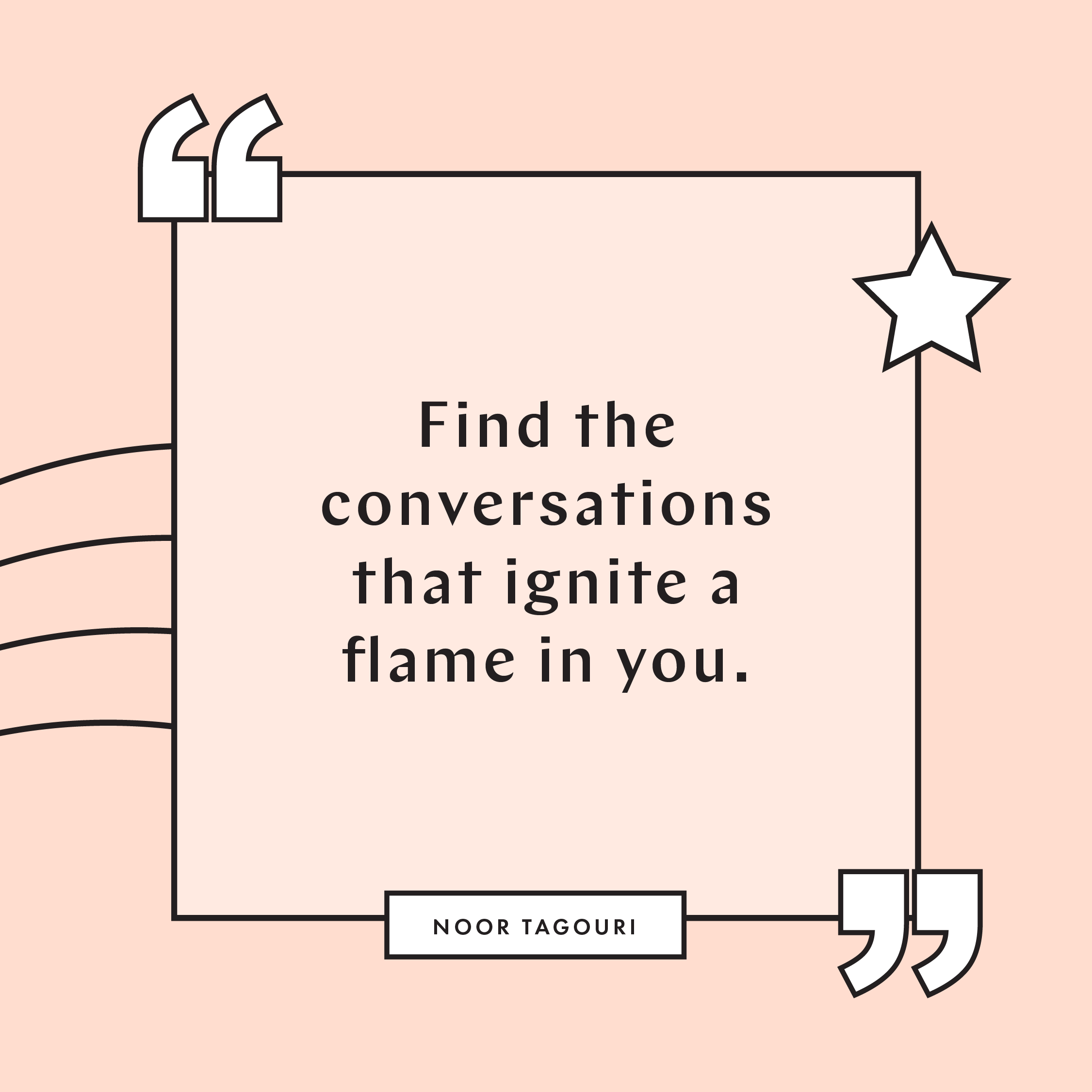
I would say don't focus on the titles or categories or whatever other limitations. Find the conversations that ignite a flame in you. It can be something that has directly affected you so you have your story to connect with others, or it can be allyship by learning about things others are going through. Anything to make others feel seen, heard, and valued.
While there is a lot of positive conversation and community online, there can also be a lot of negativity too—How do you deal with those? What advice do you have for others who are dealing with cyberbullying? What tips do you have for staying positive?
Oh goodness, it's so hard sometimes because you almost want to respond to people and say 'you don't know me! or my intentions! or my heart!.’ But oftentimes you have to just remember if people choose to hurt others online, it's a reflection of them and their insecurities.
And, I mean, many of us know this. It's a matter of truly believing it and understanding it. What people say about you says more about them. Seriously. On the tips, block people—on Twitter, I can only see the tweets from people who actually follow me—this helped a lot. Know and trust yourself. Lead by example. I try to only put out things that I know can help others or inspire them. At the end of it all, I remember that none of this matters. Live in your purpose, in service of humanity, and the rest will be fine.
What is your best advice for people reading this who admire you and aspire to achieve your success in journalism and activism but don't know where to start?
My formula to start or to just realign or reset or just to simply live in purpose is to combine the causes that pain you the most with your skills and your talents—a lot of life is in that answer.
What is the #1 book you always recommend?
Lately, it's been The Originals by Adam Grant.
Photographer: Anthony Maule
VIEW THE FULL CREATE & CULTIVATE 100 CONTENT CREATOR LIST HERE.

Create & Cultivate 100: Content Creator: Lindsay Peoples Wagner
"Do what others won’t dare to do!”

At just 29 years old, Lindsay Peoples Wagner has made waves as an unapologetic force in fashion, leaving the industry positively shaking in its designer boots. The Midwest girl from Wisconsin doesn’t mince words when talking about the challenges she’s faced in an industry that has been slow to put diversity and representation at the top of their style agenda. In addition to serving up serious style as fashion editor at New York Magazine's The Cut, Wagner wrote trailblazing articles about what it's like to be black in fashion and the lack of race and size diversity in street style photography telling Fashionista that she wanted her role to explore conversations about fashion, culture, and race.
And now that she has a platform as the editor in chief of Teen Vogue (she started her career there as an intern in the fashion closets), Wagner is making sure her readers feel seen and heard, both visually and editorially, in the pages of the magazine. And the industry is taking notice. This year she was listed on both Business of Fashion BOF 500 and Forbes 30 Under 30 as one of the youngest and only prominent black editors in the industry who has maintained a strong focus on issues of race, politics, and inclusive representation throughout her career in fashion media. She truly is a force of fashion—the voice of our generation—and she’s just getting started.
CREATE & CULTIVATE: You've worked your way up from closet intern to editor in chief of Teen Vogue—congratulations!—but most people don't know just how much hard work it took to get there. What can you share about your journey to this point? How hard is it to break into the world of fashion and magazines?
LINDSAY PEOPLES WAGNER: I’m very open about the fact that this has been a climb and that it still is every single day! I'm from Wisconsin, in the Midwest, where fashion isn’t really taken seriously, and I had no family connections in the industry or a trust fund to support me, so my experience has been very different than a lot of people in fashion. I've worked hard every day to prove that just because I don’t come from this world doesn’t mean I don’t belong and have something special to offer.
You were just announced as a BOF 500 honoree for your work in shaping the fashion industry today. As one of the youngest and only prominent black editors in the industry, how are you paving the way for other women of color? How do you break through the noise and maintain a strong voice and focus? How has this resonated with your readers and Teen Vogue community?
Everything I do is always through the lens of inclusivity, so whether we’re covering fashion, politics, or anything in between, I want our readers to truly feel seen and heard with the work that we're doing. I try to make sure that we are covering not only what’s culturally relevant, but also topics that others may be too scared to talk about. Being able to toe that line has resonated with our readers and even people who don’t regularly read Teen Vogue because we’re willing to have the necessary conversations.
What do you wish you had known when you were first starting out in the world of fashion? What have been some of the biggest lessons you've learned along the way?
You always hear that, as a black woman, you have to work three times as hard. Sometimes working hard is enough, and sometimes it’s not. That was so hard for me starting out. I come from a very humble and honest upbringing, and it was shocking to me when I moved to New York and started working in fashion because I didn’t realize how many things were based on nepotism, and financial status. I had to learn that I would, in time, make my own connections and build relationships with people, but it took a long time to get to a place where I was confident enough in myself to speak up.
When you hit a bump or hurdle in your career, how do you #FindNewRoads + switch gears to find success?
It’s corny, but whenever I feel like I’m in a rut, I always make a vision board. I write out all the crazy things I’m thinking about doing, write out inspirational quotes and bible verses, and just look at it on my wall every single day and meditate on it.
“Do what others won’t dare to do! We don’t need any more people in fashion who just have good taste and come from money. I’m eager for this industry to embrace people who have innovative ideas and the hunger to hustle.”
You have been the editor in chief of Teen Vogue for about a year now and have been responsible for creating truly groundbreaking content that is pushing our culture forward by bringing issues of race, politics and inclusive representation to the fore. What impact do you think this has had already on inciting change? Where do you hope to take it next? What are some of the stories you are most proud of so far?
I think that when people see how unapologetic I am personally, and how unapologetic we are at Teen Vogue, it incites change and makes other people want to speak up. I hope that we continue to foster a community of changemakers because that’s what this is all about. Nothing makes me more proud than when I get messages from young people saying they’ve read something on Teen Vogue that helped them. That’s truly the best feeling.
For you, the role of fashion editor has never just been about going to shows and writing market stories, can you tell us why? How do you see your role in the industry? How has that changed over the many roles from intern to EIC?
Because I didn't grow up with connections to this industry, I always felt as if I had to find my own lane and a way to make it work for me. It’s never been about the clothes, or celebrities, or clout. My mother once told me that in order to sustain myself in this industry I would need to be what I needed when I was younger, and that’s what I try to hold on to.
From the outside looking in, the leap from market editor to editor in chief seems like a fairly large one. How did you prepare for this role? How did your previous experience in the industry shape you for this opportunity? What do you think you've brought to the role that no-one else could? Why?
I was doing a lot more than traditional market work when I was at The Cut. I used that role to write about a lot of things that I cared about deeply, and in that time I was able to also produce a lot of shoots and create content that had an effect on the industry. Other market editors might not write articles like Street Style Is Killing Itself Focusing on Thin White Women because they’re hoping to become street style stars themselves, but that’s what I think was always different about me. I always needed the role, my work, to be more than surface level.

You have a very busy schedule with shows, appointments, and meetings. What does time management look like for you? How do you fit it all in? Can you share any work hacks?
Time management is so important! I've had to learn the hard way that I need to take time for myself. I recently stopped scheduling breakfast meetings, and use that time first thing in the day to meditate, workout, and go through my email. I also don’t make any plans for the weekends. I try to see my friends and people I need to see during the week when I’m already out, so that on the weekends if I feel like leaving the house I can but if not, I don’t feel bad.
You have built a personal brand on social media alongside your successful career as a fashion editor. How do you use social media as a platform for self-expression and to highlight the work you're doing at Teen Vogue and outside of that?
Social media is tough. I try not to take myself too seriously or take my presence on social media too seriously. I don’t curate my Instagram, I don’t plan it out. It’s really just what I feel like sharing in the moment, and it’s usually pieces I’m really proud of or my thoughts on culture.
“You always hear that, as a black woman, you have to work three times as hard. Sometimes working hard is enough, and sometimes it’s not. That was so hard for me starting out.”
With success comes opportunity, but that also means you have your hands full. What keeps you inspired and motivated to keep going even on your most challenging days?
What keeps me going is knowing that my place in this industry is bigger than me. There are so many young black women and femmes who look up to me, and for them, I have to keep going.
What about your job do you wish more people knew? What are some of the biggest misconceptions?
How mentally taxing it is! I have to make so many tough decisions in this role, it can be hard to juggle it all at only 29 years old.
What advice do you have for other aspiring fashion editors who dream of your career success?
Do what others won’t dare to do! We don’t need any more people in fashion who just have good taste and come from money. I’m eager for this industry to embrace people who have innovative ideas and the hunger to hustle.
What is the #1 book you always recommend? Why?
I Know Why The Caged Bird Sings by Maya Angelou is a book that changed my life and can be read over and over again.
VIEW THE FULL CREATE & CULTIVATE 100 CONTENT CREATOR LIST HERE.





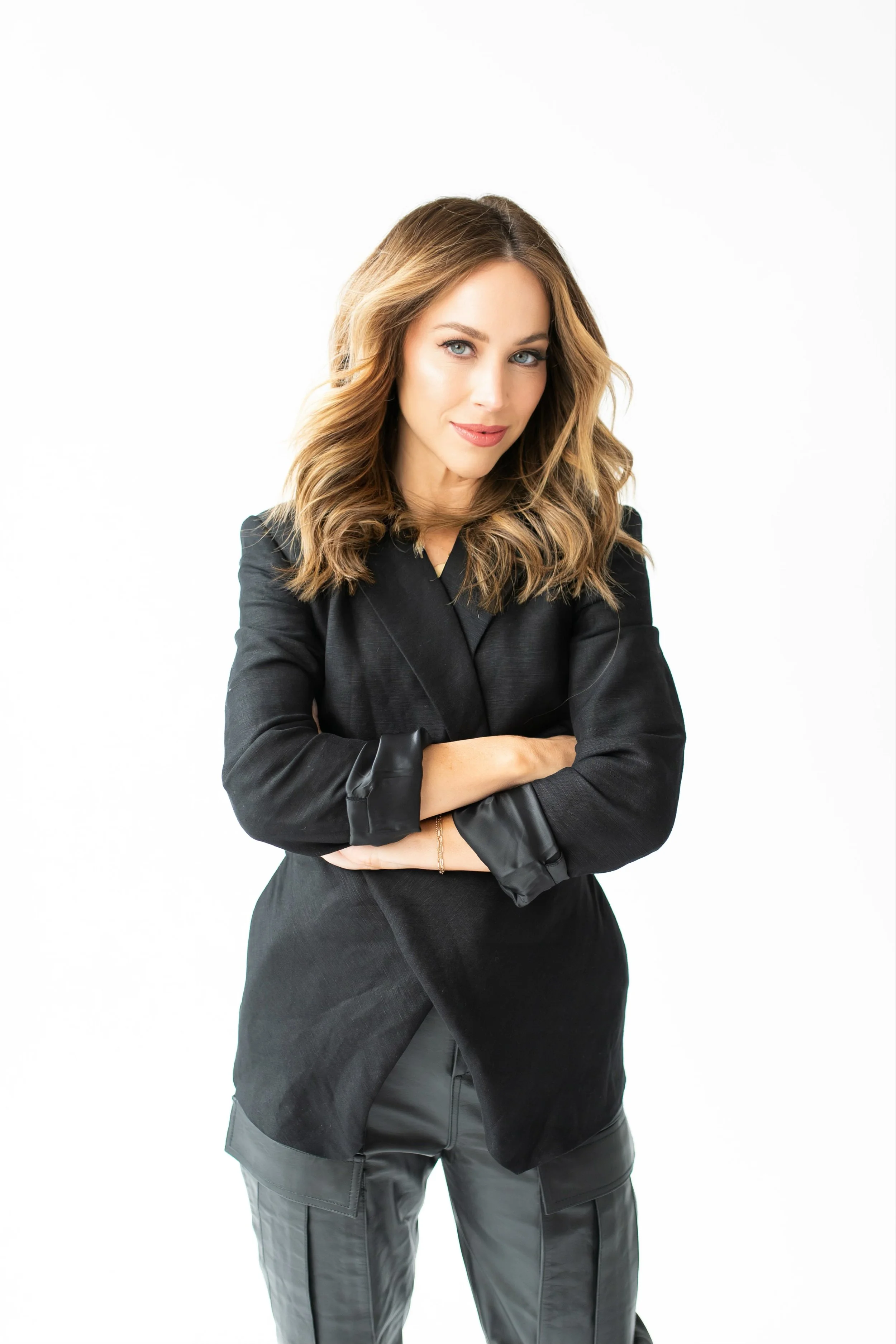


Create & Cultivate 100: Entertainment: Tyra Banks
“I don’t view myself as an entertainer that does business, I view myself as a businesswoman that also happens to be an entertainer.”


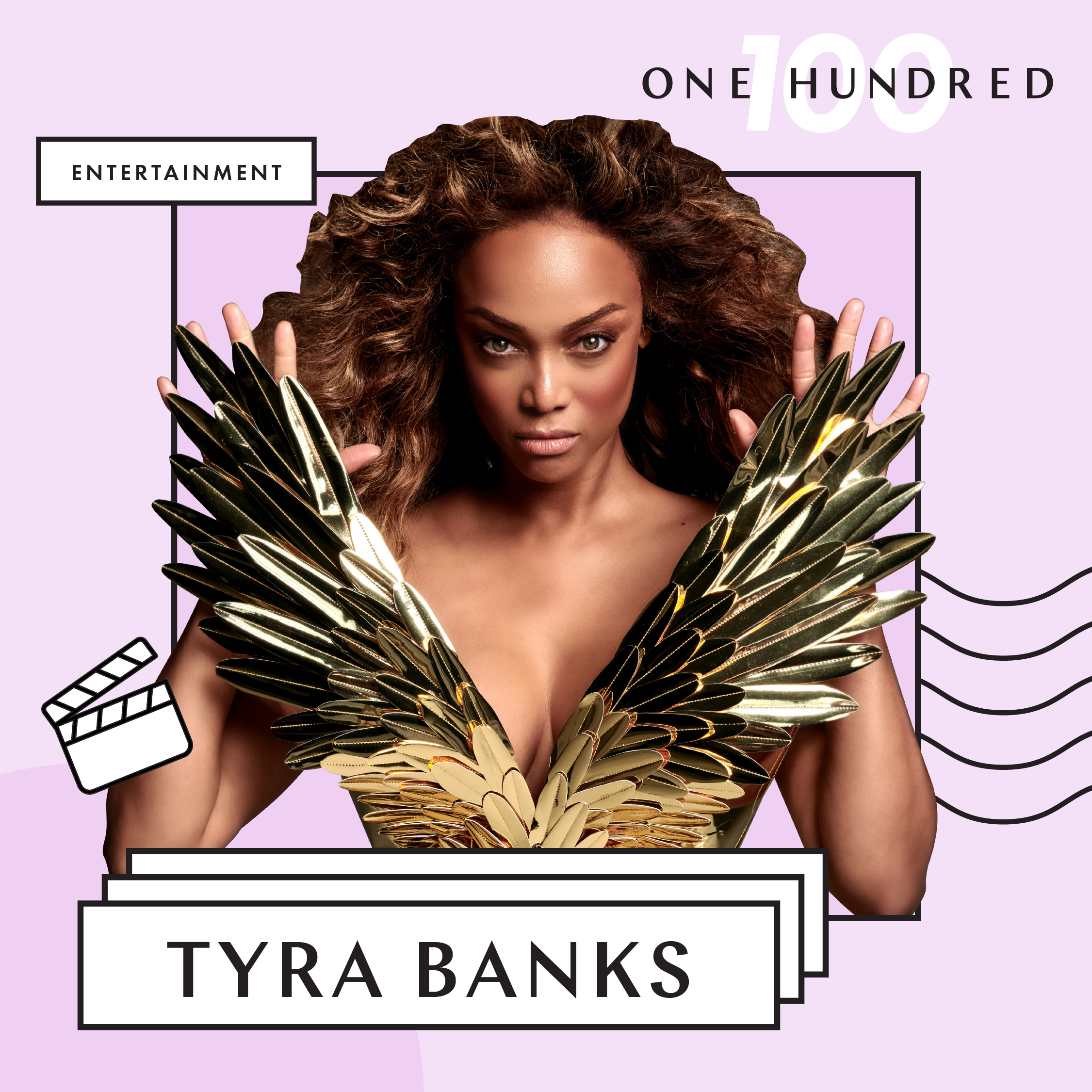
Tyra Banks needs no introduction.
The model, entrepreneur, television executive, and business CEO has spent decades in the spotlight, accomplishing everything from walking the runway as a Victoria’s Secret angel to posing on the covers of Sports Illustrated, Vogue, and Elle to hosting her wildly popular TV show “America’s Next Top Model” and teaching as a guest lecturer at Stanford. And that’s just scratching the surface.
Now, she’s bringing modeling to the masses with her latest project, ModelLand, a location-based, experiential attraction where beauty, fashion, entertainment, technology, and food and beverage collide. Below, she talks about why she decided to launch ModelLand, how she navigates being a role model to so many young people, and what gives her the inner confidence she’s known for.
CREATE & CULTIVATE: We're so excited about the upcoming launch of ModelLand. What can you share about this amazing project? What can we expect from ModelLand? How different has this process been to anything else you've done in your career? Why?
TYRA BANKS: The trajectory of my career has changed threefold. At first, it was all about me, me, me. How many covers could I land? How many fashion shows could I book? Then, during America’s Next Top Model (ANTM), it was all about them, them, them. It was about giving this small portion of people who wanted to be models a real chance at achieving their dreams. After “ANTM” I began to wonder how I could help others grow and be the fiercest versions of themselves. I am now answering that question through ModelLand. I have finally arrived at us, us, us. At ModelLand, everyone can be the fantasy versions of themselves and turn every hallway into a runway together.
ModelLand is modeling for the masses. It’s a new, one-of-a-kind experience combining the worlds of beauty, fashion, modeling, and interactive storytelling. ModelLand is a destination where all beauty is discovered and celebrated. Based on the fictional story of the same name, this immersive and permanent attraction will intersect a fantasy version of the modeling world with state-of-the-art interactive entertainment, creative collaborations, curated retail, discovered designers in residence, eventful dining, and special events. ModelLand is not only a brand that brings new talent forward to be discovered, but it’s also a brand that enables you to discover yourself and own it.
Your book Perfect Is Boring is all about lessons you’ve learned from your mom. Can you share the main lesson you learned from her and how it shaped who you are today?
My mama has always—and still—teaches me to never give up. She always compared success to access inside a house. She'd say, “It doesn't matter if you get into the house through a window, a door or through a hole in the roof—you just get in! Doesn’t matter if the front door is closed. You get in!”
“Resilience is not something that’s easy. I do need to pause and lick my wounds.”
When you hit a bump or hurdle in your career, how do you #FindNewRoads + switch gears to find success?
Resilience is not something that’s easy. I do need to pause and lick my wounds. But there is something in me that always desires more. And my mama always told me to get off my butt! My mama trained me well at a young age, and now as an adult, I know that I just have to keep going!
You are a role model for so many young people who are in awe of your career but also of your confidence. What traits do you need to be a successful leader? Why?
Clear vision, confidence, and a badass team that you empower to execute!
You came out of modeling retirement with your Sports Illustrated cover, which focused on body positivity and ditching cookie-cutter notions of beauty. What gives you the confidence to do this? What is your advice to women who are struggling with their confidence?
It’s all about empowering women and using myself as an example. I wanted to help begin a beauty revolution, perfect is boring.
You have been very financially successful in your career. What is the biggest money lesson you've had to learn the hard way? What is your best piece of financial advice for new entrepreneurs?
Yes, I’ve had a lot of success, but I’ve also had losses from investing in my own companies. I never understood why Silicon Valley praised losses, but now I understand there’s always a lesson, even in financial failures.
What’s the biggest challenge you’ve faced in building your business and how did you turn it into an opportunity?
I “Beyoncé” the challenges! It just looks like the sourest lemon, but I always find the sugar and make it delicious again!
You're also a successful investor. If someone, wants to pitch their business to you, what are three crucial elements they should include in their pitch deck? What are you looking for when you invest in a company?
A unique product/service and a founder who eats/drinks/sleep their business and also knows that they can’t do everything and surrounds themselves with others of competency.
“It’s all about empowering women and using myself as an example. I wanted to help begin a beauty revolution, perfect is boring.”
You're on your third year as a guest lecturer at the Stanford Graduate School of Business teaching personal branding. What are your top three personal branding tips? Why is personal branding so important?
For my students, branding is important because they’re graduating and moving into various, highly competitive fields. Within our breakout sessions, my students learn how a strong personal brand can create a competitive advantage, how one can differentiate themselves in their respective fields, how to supercharge their brand, as well as when to pivot and evolve their brand.
There is so much competition out there now, especially in the entertainment industry. What makes you and your business stand out? How do you find/create a unique point of view and stand out from the masses?
I don’t view myself as an entertainer that does business, I view myself as a businesswoman that also happens to be an entertainer. By approaching my business that way, I understand that popularity and relevance are fleeting. I look at my company and businesses from a strategic standpoint and don’t fallback being a “celebrity” or trying to be a cool person with a cool dress going to a cool party.
The filtered world of social media often hides a lot of the hard work and behind-the-scenes hustle. What is the reality of being an entrepreneur today? How hard is it really? Be honest!
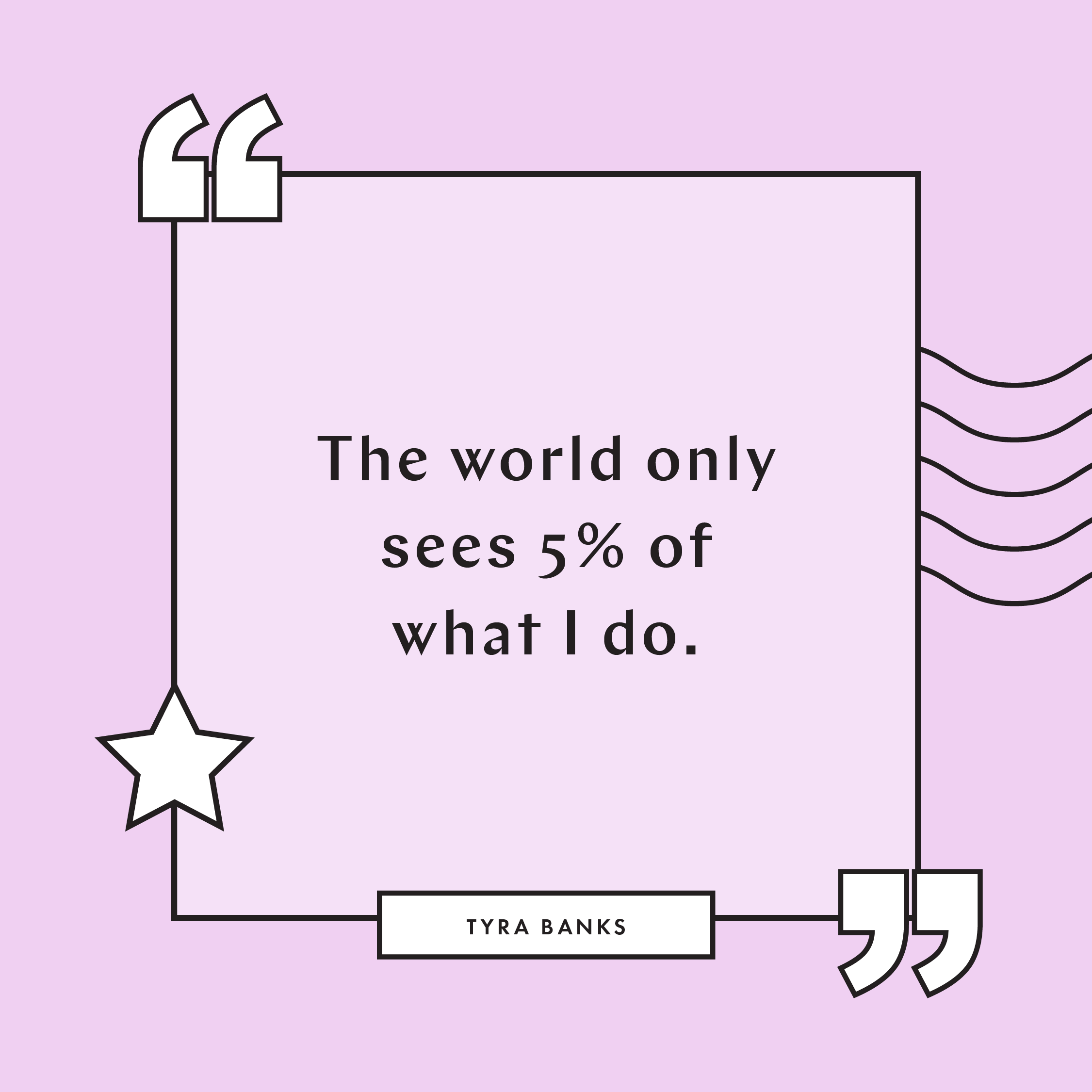
One thing my team and I always say is the world only sees 5% of what I do. I go to an office every day. Sometimes I have 3 to 5 hour-long meetings, and I’m constantly having to make quick decisions. It’s no joke—and definitely not for everyone. I, however, LOVE being in meetings and strategizing far more than I like simply holding two photos in my hands…
What is the #1 book you always recommend? Why?
Delivering Happiness by Tony Hsieh. I am obsessed with his company culture. So much that I cold-called him! We were on the phone for over an hour and he shared so many valuable insights (all of which I implemented with my team!). I highly recommend this book for entrepreneurs.
VIEW THE FULL CREATE & CULTIVATE 100 ENTERTAINMENT LIST HERE.

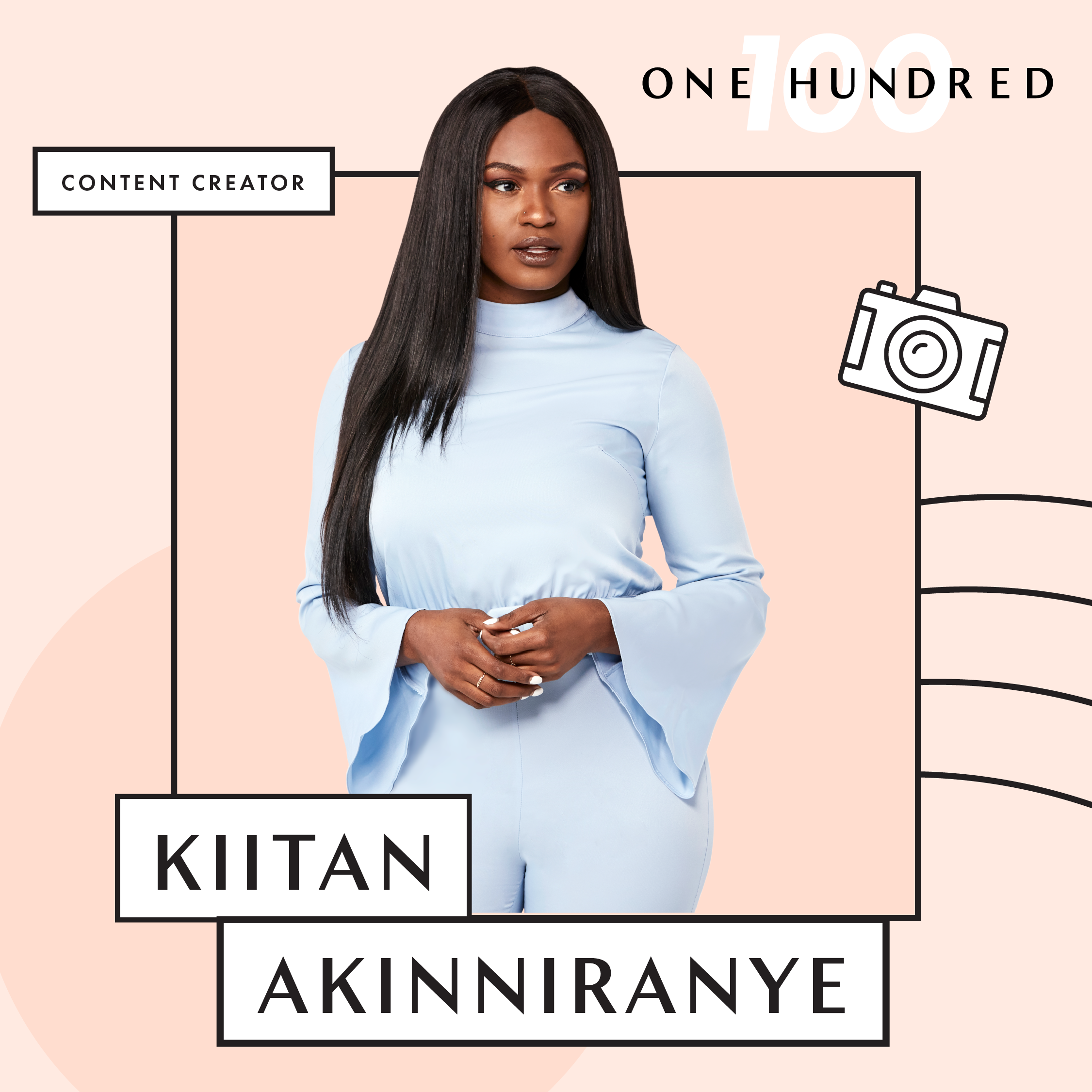
Create & Cultivate 100: Content Creator: Kiitan Akinniranye
“Your quirks are what will set you apart in the end.”


To say that Kiitan Akinniranye has built a successful platform for showcasing her sense of style via social media is a bit of an undersell. By the numbers, the fashion influencer has garnered over 556,000 followers on Instagram and 259,000 subscribers on YouTube—no small feat in the golden era of content creation. And, notably, she’s managed to parlay her social media success into a popular headwrap brand called Atarah Avenue.
So, how exactly has she garnered such an impressive audience? Her style is definitely a reigning factor, but it’s her pearls of realdom that have cultivated a community. Like this recent poem that she shared via Instagram: “You Dear Brown Girl, Don’t be afraid to shine. Your hair is so beautiful. And your skin is divine.” At our Self Care Summit, she reinforced why she’s one of our favorite people to follow on social media by telling us: “I have a job title of being an influencer and I don’t take that lightly… it is my duty to make sure I am spreading positivity.” (Cue applause.)
Ahead, we ask the fashion influencer and entrepreneur to fill us in on how she stands out in such a saturated space, her secret for growing (and maintaining) an engaged social media following, and the mistakes she’s learned from along the way.
CREATE & CULTIVATE: On top of your successful style platform on social media, you are also the founder of Atarah Avenue. Why did you launch this company? What is your brand’s mission? What vision do you have for the company?
KIITAN AKINNIRANYE: Atarah means crown in Hebrew and I created the company to celebrate black women’s beautiful crowns and accentuate them with my accessories. I’m really happy we are entering a period where black women’s hair is being more socially accepted, I grew up at a time when it wasn’t, and so the mission of Atarah is to empower women by showcasing their beauty but also giving them great accessories to support them on their hair journeys.
You are such a successful content creator with more than 259K subscribers on YouTube and 530K followers on Instagram. What makes your content stand out in a very saturated space? How do you break through the noise? What's the secret?
I think my content is unique because it’s coming from me. I think we’re really living in a golden era of content creation where all you need is an idea, some material, and an iPhone to sell your content and build a following. It's a beautiful thing to see. My followers buy from me because I think they like my style, support my vision, and enjoy Atarah, but honestly, there are so many amazing men and women taking leaps in fashion and I am honored to be a part of it!
“We’re really living in a golden era of content creation where all you need is an idea, some material, and an iPhone to sell your content and build a following.”
When you hit a bump or hurdle in your career, how do you #FindNewRoads + switch gears to find success?
Working as an entrepreneur is always a challenge because you are paving your own path and carving your way in what is mostly unknown territory. I really see hurdles as a part of the job, which I think takes the pressure off of me when I hit a bump; to not see it as an extension of myself or the work I put into what I’m doing. My best work and growth comes when I’m most challenged, so even though those moments are hard, I can stick with it by looking forward to what’s coming on the other side.
What advice do you have for other content creators reading this who want to achieve the same success you've experienced? How hard is it to break out today?
I think it was easier when I started because there were fewer people using social media to create personal brands, but I definitely think it’s still possible to do now. The biggest thing I would encourage people to do is be yourself. That’s so cliché, but in this market, nuance is so important. I follow so many accounts for fashion tips but each of them brings something different. Some people are super funny, some people are really detailed with their styles, some pages I just love aesthetically. Your quirks are what will set you apart in the end.
What is your best social media advice?
Be authentic and post frequently. These are two things that can be really hard, especially when you grow a big enough following that companies start reaching out to work with you. My friends really help to remind me why I started my brand, which is to empower black women like us, and I’m constantly assessing my partnerships to make sure they stay true to the authenticity of my brand. Then, you just gotta be consistent with your output, which is really hard, but if people know they are going to get content from you regularly, they are more likely to stay around. Inconsistent posting makes for inconsistent results.

You cover so many content categories on YouTube, but if you had to pick one, which would you say you most enjoy creating content for? Why?
I started Youtube to share my hair tutorials, and it’s definitely still remained my favorite thing to post and watch. I love seeing all of the creative styles and new looks, it’s gives me tips for my own styles, and it’s also just inspiring to see what everyone else is doing.
With success comes opportunity, but that also means you have your hands full. What keeps you inspired and motivated to keep going even on your most challenging days?
First, my friends. I don't know where I would be without them. They encourage me to constantly push myself, and they also provide me with constructive criticism, which I really appreciate. My followers also keep me inspired. I am always looking to put out the best content for them because I know there are people who look up to me and look forward to seeing me grow. I'm really fortunate to be where I am, especially because I never thought that I would make it this far.
How do you remain unique and true to your voice in such a competitive space?
I am my only competition. It’s definitely a hard mindset to keep at all times, but I think society has really tried to push this idea that there’s only so much space in any room for people who aren’t white men, and that’s completely false. I’m unique because I’m me, sharing what I love with people who love it too. I’m always challenging myself to push my limits and try new things, but it’s an internal push, not an external one.

What's a mistake you’ve made and what did you learn from it? How did you turn it into an opportunity?
The biggest career mistake I’ve made, I’d say, is taking on too many projects at once. I did this once at a pivotal moment in my career when I was transiting to a different state. I had already taken on a really big project and was approached by another huge brand for a partnership. I didn’t want to say no to either, so I took them both on. That was a big mistake!! I lost a lot of sleep and energy making sure I got the work done. In the end, the clients were happy, but I was miserable. It was a lesson in saying “no” and realizing that it’s not a "great opportunity if it comes at the wrong time.
What do you wish you’d known when you were first starting out? Why? And what do you wish more people knew about your job? What are the biggest misconceptions?
When I was first starting out, I had no idea what I was doing, and that made me insecure. I was taking in everyone’s opinions, negative or positive, to heart and that just ended up confusing me more. When it comes to content, I am always open to constructive criticism and I love hearing from my followers, but now, I have learned that it is best to not share every aspect of my life. It's best to have a core group to look to for advice and counsel and make sure you’re thoughtfully filtering everything else that’s coming in.
What is the #1 book you always recommend? Why?
Right now, I am reading The Purpose Driven Life and I really love it. I’d recommend it to anyone who is searching for purpose and even people who are already walking in their purpose. It really gives insight into how to do it from a God perspective, which is really important to me.
Photographer: Jenna Peffley
Hair: Styled by OGXpert & Celebrity Hairstylist Jillian Halouska
VIEW THE FULL CREATE & CULTIVATE 100 CONTENT CREATOR LIST HERE.
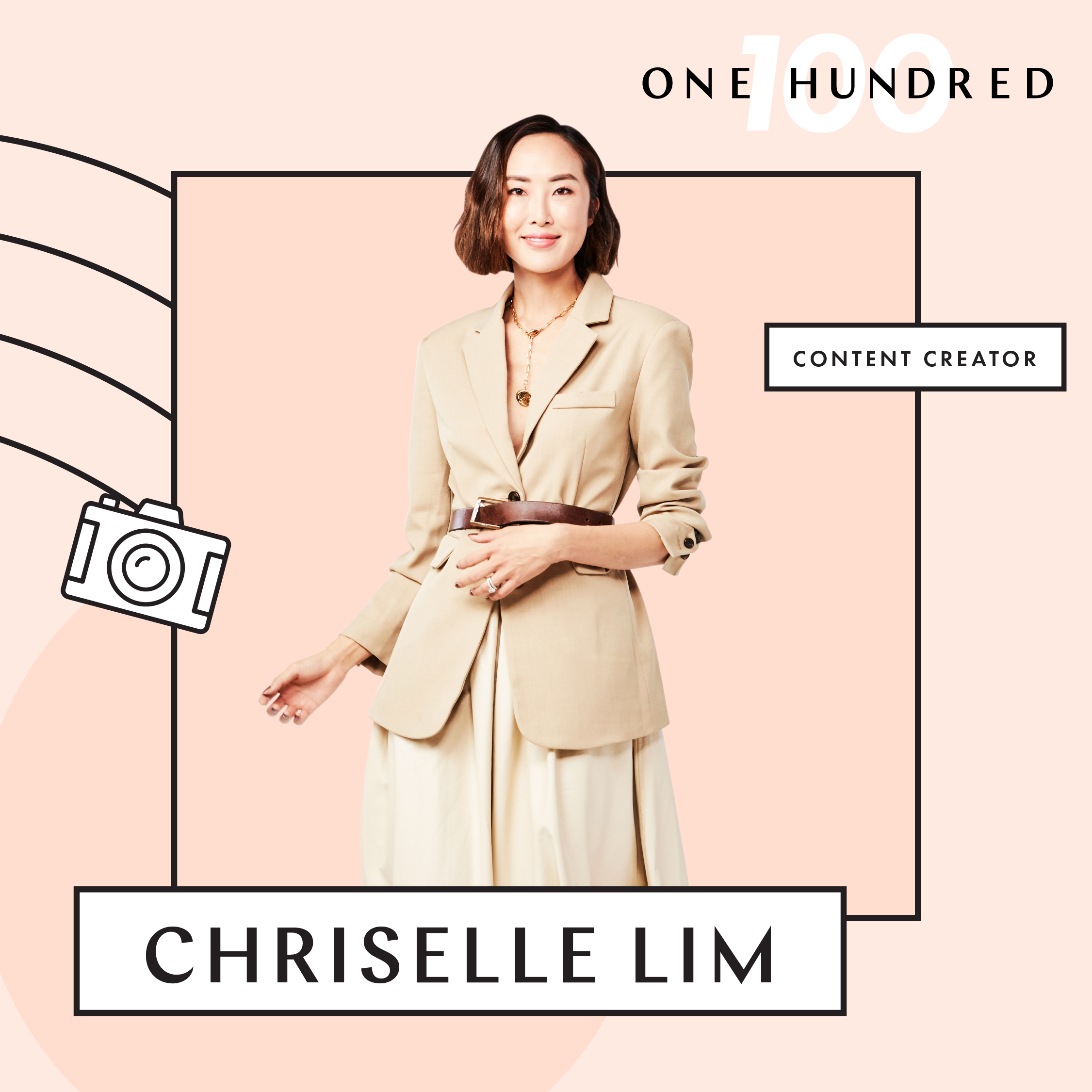
Create & Cultivate 100: Content Creator: Chriselle Lim
“Be patient and pace yourself—it’s a marathon, not a sprint.”


When Chriselle Lim launched her YouTube channel in 2008 the word vlogger didn’t even exist. Now, she has 750K subscribers. Combine that with her 1 million+ followers on Instagram and you have a recipe for influence. But beyond curated imagery and designer dresses, Lim pulls back the filter to share the real, raw, and candid version of her life as a mom of two running three businesses. Yes, that’s right, three! Lim oversees The Chriselle Factor, Cinc Studios, and her new venture, Bümo, which is bringing childcare to the workplace for millennial parents.
And all of this is on top of her brand collaborations (she just launched her own Barbie) and travel (she sits front row at all the big designer shows during fashion week) as an influencer. That’s a serious work ethic. Read on to hear all about how Lim gets it done, her journey to success, and when she has to put on the breaks to prevent burn out.
CREATE & CULTIVATE: When you started The Chriselle Factor, did you expect it to develop into the expansive lifestyle network that it has become? What are you most proud of as it has grown?
CHRISELLE LIM: No, I didn’t. When I first started it was purely for fun. I was just documenting my outfits as a creative outlet while I was in college.
You've mentioned that you started off your career intending to be on the business side of fashion. What motivated you to start creating your own content? And how do you feel about being on the front end now?
I never thought I would be in front of the camera. I always loved the making of and being behind the scenes. I started my blog initially to document my styling projects and the work that goes on behind that but when I uploaded my first YouTube video and blog post that featured me in it and see the excitement from the audience—I knew there was something there. I felt very uncomfortable in the beginning (especially on video) but the more I did it the more comfortable I got.
You started creating YouTube content in 2008—which, needless to say, was a very different time—now, there is so much competition. How have you remained unique and true to your voice over the years? How has your channel and content changed over the years? How do you cut through the noise and maintain a unique POV in a saturated space?
Yes! YouTube is where I started and it’s still one of the core focuses of my businesses. To be honest it has been challenging. YouTube definitely favors newness so being an ‘OG’ definitely has its downsides at times too. I started with fashion and beauty tutorials but after having kids I realized that my audience wanted to see more than something perfect and pretty. They wanted realness. I think everyone was craving authenticity on social media since so much of what they saw was curated and filtered. That’s why we decided to start my series Catchin Up With Chris where they see my real life—the chaos at home trying to juggle being a mother of two while maintaining my business. It was a side they’ve never seen of me and they appreciated it.
You just have to remember that your audience is just like you—they grow up and your content has to grow with them. Just because you started with one thing doesn’t mean you have to continue to only do that one thing. It’s okay to change grow and evolve. Not everyone will like it but as long as you remain true to yourself and where you are at in life that’s all that matters. There a lot of noise out there and sometimes how you cut through the noise is just shutting off and not watching what others are doing but doing what feels right for you.
“Don’t expect to get paid in the beginning. In fact, you are going to have to invest your own time and money.”
You have millions of followers across social media, YouTube, and your blog, The Chriselle Factor. What advice do you have for newcomers? Be honest, how hard is it really? What do they need to do to break out?
It’s hard and you have to put in the work but I started out at a different time where it was hard in a different way. One thing that still remains true—no matter what point in time you are starting off—is that you need to treat it as a serious business in order for you to really break out. Put in the work. Great content takes time to create.
Don’t treat it as a hobby but really go in and figure out a plan of how you are going to stand out—create a content schedule and stick to it. Whether it be on Instagram, YouTube, blog, etc. if you want to work with some of these brands how are you going to show love? Don’t expect to get paid in the beginning. In fact, you are going to have to invest your own time and money. If you don’t know how to edit, hire someone who knows how to edit so your content stands out.
Don’t worry about getting millions of followers but focus on content and serving the small audience you have. Find a focus, a unique point of difference, and you will find a niche audience. More than ever people are looking to work with micro-influencers who have a dedicated and unique POV. Focus on content and your voice and message.
Beyond the filter of Instagram, you're a mom of two—you have your hands full and you're very honest about that with your followers. What do you wish people knew about your job? What are some of the biggest misconceptions?
Something else I wish people knew about my job is that the burn out is real. I’ve seen it happen with my peers and myself. Because my job is so much about my life, I’m constantly working and constantly ‘on.’ When you are constantly creating content around everything it can easily mess up your mental health. You need space and time for yourself. I experienced this even more after becoming a mom. I was serving my kids first then my audience, then my team, then after a while you become numb to your own needs and wants. It’s a real thing and I’m seeing burn out happen so much. It’s important that a creator knows about this before jumping in.

Now you just launched a Barbie that you designed, bringing some inclusivity to a much-needed space. What are your hopes for this collaboration? What change do you hope it brings? And how do you hope it inspires the next generation? How important was this project to you as a mom?
Being able to design my own Barbie was a pivotal moment for me in my career. It brought me back to my purpose and the reason being behind what I do—to inspire the next generation and provide opportunities that never existed when I was a kid. Growing up in a predominantly all caucasian community I was always aware that I didn’t look like my peers. I hid behind pounds of makeup and spent a ton of my hard-earned money on cool clothes so I could fit in.
I grew up looking up to women that didn’t look like me and it had me wondering why I looked like me. How come I couldn’t have round eyes and lighter hair— I couldn’t understand. Especially at a young age, kids are looking to identify and to be able to say ‘me too... if she can do it then I can do it too.’ I hope that through my Barbie it will allow the little girls and boys to dream and allow them to look at themselves and know that they can be successful and achieve what they want. I hope that this brings more awareness and conversations around inclusion. As a mother of two little girls, this is everything—for them to look at these Barbies and know that they are represented and be proud of who they are.
When you hit a bump or hurdle in your career, how do you #FindNewRoads + switch gears to find success?
To disconnect and get re-inspired. So much of what we do comes from a creative place, you have to give yourself room to breathe so you can get re-inspired. I usually detox from social media for a few days so I can go find some inspiration elsewhere. Also talking helps. I talk to my team a lot. We are always constantly bouncing ideas off of each other. It can get lonely sometimes so having a person or a group you can get creative with is important.
You share a lot of your personal life through your many channels. How do you decide where to draw boundaries? What to share and what not to share?
As a new mom, I’m still learning every day—I’m not perfect. I can proudly say with my own self I don’t really have boundaries as I’m an open book and I think that’s why my followers appreciate my realness and rawness—and they continue to trust and follow me. But when it comes to my family that’s a different situation.
Now that Chloé ( my oldest) is getting older she has opinions and ideas. A lot of the time she does not want to be on camera and I just have to respect that. She did not choose to be in front of the camera as that is my profession and not hers. I’m still having fun with Colette as she is an infant but I’m sure there will be a point in time where I have to draw the boundary and the line for Colette as well. I want them to feel fully respected by their choices. Even as young as they are. Kids are way smarter than we think.
With success comes opportunity, but that also means your schedule is packed. What keeps you inspired and motivated to keep going even on your most challenging days?
People assume that the more success you have the fewer challenges you have when in fact it’s quite the opposite. The busier you get it becomes even more important to prioritize yourself. I wake up at 4:30 AM to have ‘me’ time. I do a 5 AM work out class and have a few minutes to myself before the kids wake up at seven. It’s the most important time for me as it’s the only time I get to myself where I don’t have to worry about anything else but me. Once the kids wake up it’s go, go, go, go, go. So the only way I can keep inspired and motivated, especially on those challenging days, is to spend time with myself and give the self-love and appreciation it needs and deserves.
What advice do you have for other entrepreneurs? How can they achieve the same success you've experienced?
My advice to other entrepreneurs is to be patient and pace yourself—it’s a marathon and not a sprint. You don’t want to go hard and burn out. You want to slowly build something sustainable and something that can scale over time. Think through a strategy and a goal instead of just waking up and hoping that something will happen. Everything that has happened to me happened because it was a part of my bigger plan. Think big picture and know where you want to go with this but immediately scale back and ask yourself what can I do now?
So many of us hope and dream of big success but big success doesn’t happen by just thinking and dreaming. A lot of it happens because of the execution of small things. I’m also a big believer in hiring better than yourself. Find people that are better than you and have them help you. It’s okay to know that you are not great at everything.
You just launched Bümo—what can you tell us about this new project? Why did you launch it? And what can we expect to see from this new business?
Bümo is a company that brings childcare to the workplace for millennial parents. I launched Bümo because when I had two kids I had to go back to work right away, and I literally cried all the time. I had so much guilt as an entrepreneur, as a mom, as a partner. Everything made me feel guilty. I then realized that childcare options are so limited and it really doesn’t have to be that way. We will be opening our first space in the Westfield century city in the Spring of 2020 right next to Bloomingdales on the second floor! We are so excited as we believe that the millennial parents are all about working hard but also being a present parent.
What is the #1 book you always recommend?
Outliers and The Tipping Point, both by Malcolm Gladwell.
Photographer: Jenna Peffley
Hair: Styled by OGXpert & Celebrity Hairstylist Jillian Halouska
VIEW THE FULL CREATE & CULTIVATE 100 CONTENT CREATOR LIST HERE.

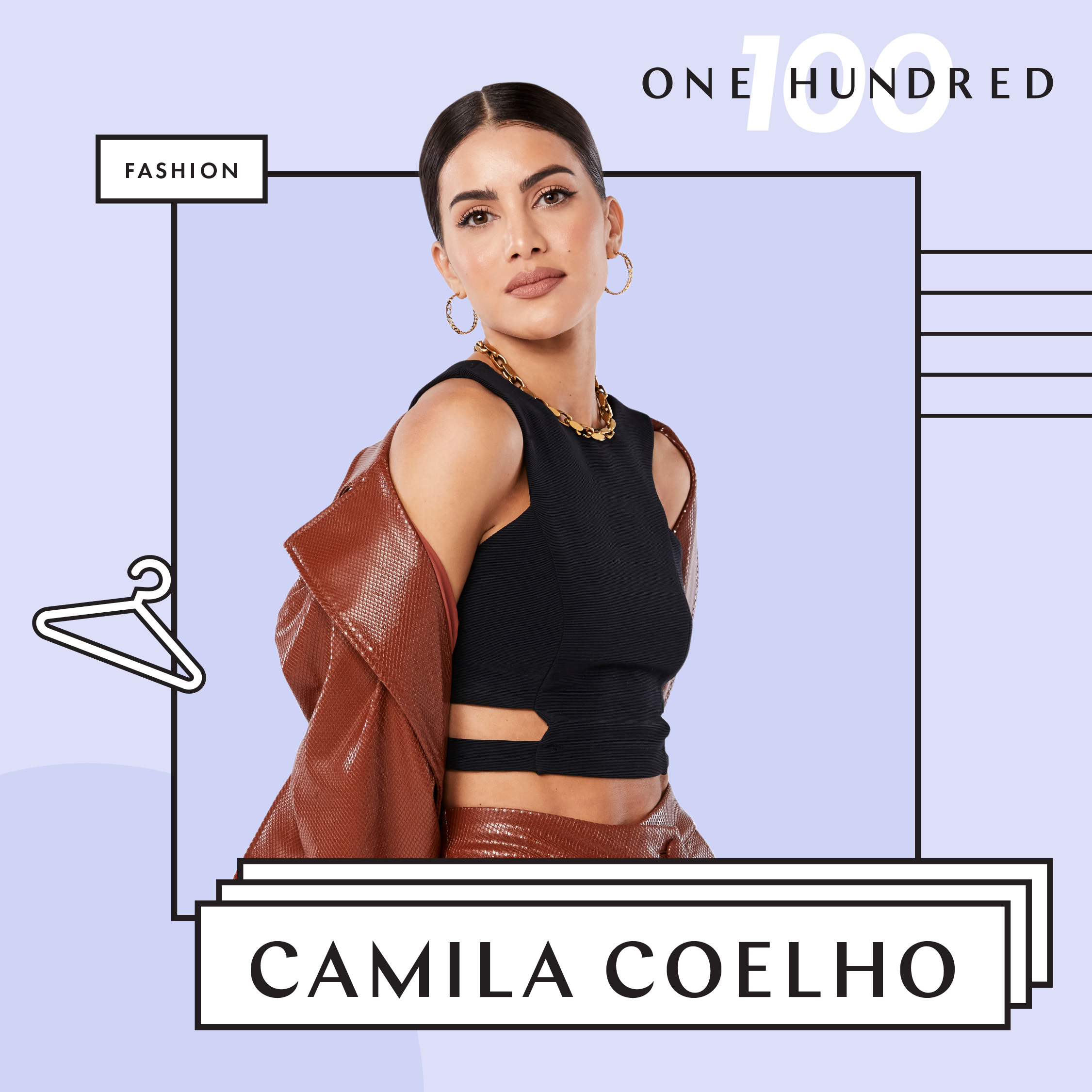
Create & Cultivate 100: Fashion: Camila Coelho
“Be creative, find an angle that makes you different, and run with it no matter what anyone tells you.”


With 8.4 million followers on Instagram and over four million subscribers across two YouTube channels (one in English, one in Portuguese), it’s safe to say that Camila Coelho is a modern-day style icon. So it was only natural that the Brazilian-born fashion influencer would try her hand at design sooner or later.
Earlier this year, the influencer-turned-designer launched her eponymous fashion label, Camila Coelho Collection, to much acclaim from the stylish set. (Influencers by the likes of Brittany Xavier, Leonie Hanne, and Danielle Bernstein have all been spotted sporting pieces from Coelho’s covetable 60-piece collection.)
Ahead, Coelho talks to us about the launch of her new fashion label, the one thing she wishes more people knew about the fashion industry, and the hard-and-fast rules she tries to live by to separate her work from her personal life.
CREATE & CULTIVATE: You went from working at a Macy's Dior makeup counter to now having 8.4 million followers on Instagram who look to you as a style icon. To what do you attribute your success? Why do you think your voice and style has resonated so much with audiences? What's your secret sauce?
CAMILA COELHO: I originally sought out to have a creative outlet where I could share my passion for makeup with the rest of the world. Down the line, it became a career, but it took true perseverance.
Audiences like consistency and connection; I try to give them as much of that as possible. Through my channels, I'm able to have real conversations with followers in an organic way. I'm also receptive to feedback about my content and collection; what are people liking/disliking, what do they want to see more of, styles they'd recommend, etc.
The influencer industry is incredibly saturated now but you were one of the first—how do you ensure your brand and voice stand out in the competitive market? What advice do you have for people starting out now?
Maintaining my own brand and identity has been key to standing out. Success doesn't happen overnight. I certainly have had challenges and felt unmotivated at times but you just have to stick with it and create engaging content for people to enjoy.
“Be creative, find an angle that makes you different, and run with it no matter what anyone tells you.”
When you hit a bump or hurdle in your career, how do you #FindNewRoads + switch gears to find success?
I'm constantly searching for new inspiration in the cities I travel to, the people I meet, and my followers, because the more that I'm learning and growing, the more I'm able to translate that into my work. I think my work ethic paired with my ability to engage and organically inspire my fanbase has been a driving factor in my success to date.
Your hard work and your success was recognized when you were featured on the Forbes 30 under 30 list—how did it feel to have that stamp of approval from the industry? How did it help your business? What did you learn/take away from the experience?
Being recognized by a top business outlet sheds light on the fact that I'm an entrepreneur. The influencer industry, in general, gets overshadowed by consumer perception that we live a glamorous life traveling and taking selfies all day. What they often don't realize is that there’s an entire backend to brand deals: content creation, editing, design, strategy, financial planning, and more.

Now you have your own fashion brand, what was the experience like moving into product design? What do you wish people knew about the fashion industry?
Launching my own collection has always been a dream of mine, so seeing it come to life this year has been so surreal. I’ve seen a variety of women around the world in my pieces, styled in their own creative ways. It means even more to me because my collection is really an embodiment of my digital community; I’m creating pieces for my followers who have been so supportive of my career and have grown with me as my style has evolved. Ideating so many new styles a month and working with my design team to bring them to fruition is no easy task.
I recently moved to L.A. to be closer to my production team since there are endless rounds of design, fabric selection, fittings, and content shoots. The more support you have, and the team you choose to surround yourself with, will ultimately define your career and help bring your vision to life.
How do you define your personal brand? How has it changed since you started? Why is it important to establish a brand and point of difference?
I was born in Brazil and raised in the U.S. since the age of 14, so naturally, I'm a global brand. I have followers around the world and am often able to connect with them given the amount of work travel I do. My personal brand has always maintained positivity, empowering people to feel their most confident, sexy, and glamorous selves.
You’ve created a very special community online, what is your best social media advice? How can others develop the same rapport?
Maintaining individuality and consistency can be challenging but they’re the keys to success. If you're simply trying to replicate what someone else is doing, that can quickly become transparent to your followers. Be creative, find an angle that makes you different, and run with it no matter what anyone tells you.
What is the best advice you’ve been given? Or a favorite piece of #realtalk?
Back in the day, I came across a saying from the designer Shoshanna Gruss, “Once you know which silhouettes flatter you, filter trends ruthlessly." This opened my eyes that the #1 secret to look good is to know what looks good on your body shape. I’m petite for example, and you will always see me in high waisted pieces, which make me look taller than I really am.
With success comes opportunity, which can mean you have your hands full. What keeps you inspired and motivated to keep going even on your most challenging days?
It's all about balance to me. With work, I'm often traveling so much, especially with my husband, it does get hard sometimes to separate things. I’ve learned that you really have to set rules and separate your work life from your personal life, particularly on the most challenging of days.
When it comes to my husband, after a certain hour we try to disconnect. We have a rule where we don’t talk about work. In the morning we try to talk about work after breakfast so we can have our personal time. When I’m home I try to always see my friends, my godson, my nephew, and my family and spend quality time with them. When I’m with them, I try to disconnect from my phone as well.
I love my job and I love what I do, but I also try to do other things like seeing my friends, setting up family vacations. The simple things in life make me happy, they let me breathe and disconnect from everything that’s going on. I try to separate things and try to disconnect as much as I can when I have time, and that’s how I keep my balance.
“Success doesn’t happen overnight.”
From Instagram, you seem incredibly bold and self-confident, but we all know the reality can be very different away from the filter. What advice do you have for others who want to achieve that confidence? How do you summon that?
Take care of yourself, first and foremost. You want to feel good when you wake up in the morning with no makeup on and continue to feel good throughout your day. I'm at my best when I've gotten enough rest, when I've found time to work out and eat well, and when I've spent time with family. I'm my most confident when I'm healthiest, and all of these things add to my overall health. Then as you begin to layer on makeup or clothes or more to your look and your day, you'll feel better and more confident.
From there, I always recommend that you search for as much inspiration as possible. The more you see a trend or spend time with someone you admire and who makes you feel inspired, the more you will tend to like trying new things and feel comfortable and bolder with your choices.
What's a mistake you made and what did you learn from it? How did you turn it into an opportunity?
Since I’m always following my heart, I try not to have regrets. I look at mistakes as the best learning opportunities enabling me to work smarter and harder. It’s important we all make an effort to be the best versions of ourselves.
What is the #1 book you always recommend? Why?
Outliers—it explores the various differences between us as humans, and why some succeed more than others.
Photographer: Jenna Peffley
Hair: Styled by OGXpert & Celebrity Hairstylist Jillian Halouska
VIEW THE FULL CREATE & CULTIVATE 100 FASHION LIST HERE.
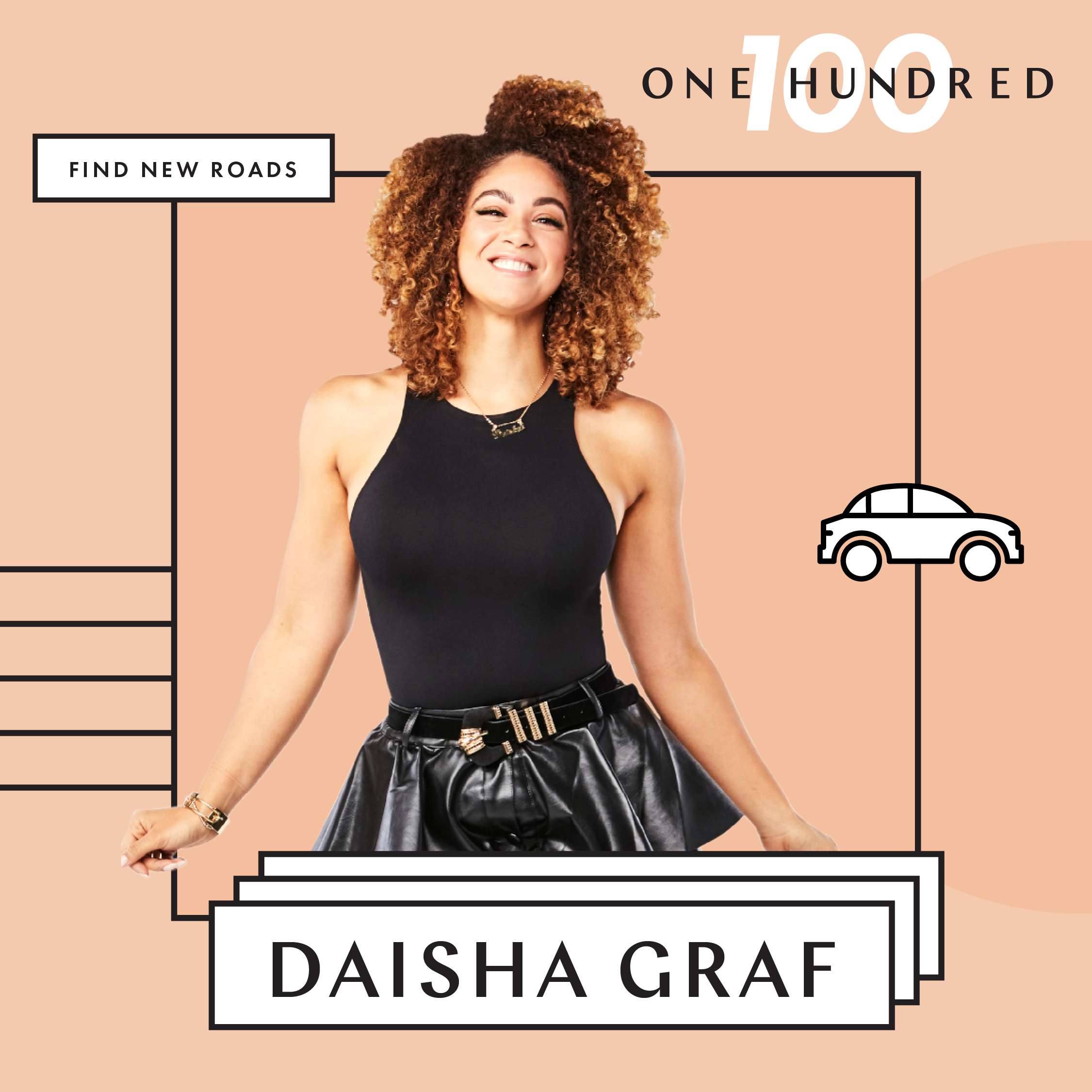
Create & Cultivate 100: Find New Roads: Daisha Graf
“‘Making it’ is subjective. I have in no way, shape, or form ‘made it’ in my mind. I feel once I've ‘made it,’ there is nothing left to pursue. I never want to feel that.”


Daisha Graf has a lot of titles to her name. As an actress, dancer, model, singer, influencer, and fitness coach, it’s a bit of an understatement to say she knows a thing or two about managing multiple careers simultaneously. (Really though, when does she have time to sleep?)
Below, she shares her advice for those who want to pursue multiple career interests but don’t know where to start, the biggest lessons she’s learned from working with famous artists by the likes of Rihanna, Beyoncé, and Ariana Grande, and the definition of success that keeps her motivated and inspired every day.
CREATE & CULTIVATE: What advice do you have for those who want to pursue multiple creative interests but don't know where to start? How do you manage all of these careers simultaneously? Why did you choose to pursue them all instead of honing in on one specific thing? How has this benefitted you, and would you recommend this path to others?
DAISHA GRAF: I think, if God gave me all of these talents, I should use them all. It took me several years to let go of the fact I'm not pursuing one active career like many other people... but then again, I've never done things the conventional way, and I'm okay with that. I will say, I haven't necessarily pursued them all at once. I've allotted solid amounts of concentrated time to them all. Most of my life through college was solely dance (and piano till my senior year of high school.) I was on a professional track to pursue a modern dance career. It wasn't until college at Hofstra University studying for my B.A. in dance where I discovered hip hop. From there, I shifted focus. After college, I studied commercial dance and my career blossomed. Once I felt I had a handle on that field, several years later I pursued music heavily. Then, years after that, I pursued acting (which is present time). I gave each of my interests the proper time, individually, to hone my skills. Now, I now switch hats easily if I need to. Listen, it's a daily journey and there have been plenty of times that I wondered why I couldn't choose a career with a clearer path, but I genuinely feel this arts life chose me.
You started as a back-up dancer who’s performed in some of the largest hip-hop, pop, and R&B acts in recent memory alongside icons like Rihanna, Diddy, Pitbull, TLC, Santigold, Janelle Monae, Jill Scott, Ariana Grande, Big Boi, and Beyoncé, to name a few. What are some of the biggest lessons you've learned from working with them? What advice do you have for other dancers reading this who want to achieve your success?
I've learned that working as a team is always the best and most successful way to run a business, create a healthy environment, and cultivate an electric show. If everyone doesn't feel seen or if the group a a whole feels divided, that's how the show is going to feel... disconnected. I've also learned how important it is to be professional: be early, know how to take constructive criticism, know when to speak up and when to listen, and know how to handle money matters. Being kind goes a long way. Treat people how you would want to be treated. There are been several instances that I have booked a gig "out of nowhere" because someone remembered me from something years before. Also, I had no idea where I was going to end up. I just buried myself in the work. Train, train, train. Stay in class. That is my home base. That is all you have to worry about. Be a good person and work hard. The rest will manifest for itself.
We read that you hope to use your art to effect change, what does this look like for you? What changes are you hoping to make? What messages are you hoping to spread? Why?
I think the arts are the biggest tools of self-expression. Imagine if little kids couldn't draw or play. Imagine if we never listened to or played music or moved our bodies. I genuinely feel that people would be more frantic, depressed, and in a constant state of rage. The arts are our outlets. The arts create safe spaces for this expression that can be understood in any language. Feelings are universal. Also, the arts cultivate an intellectual, critical, empathetic, and creative way of thinking. They promote quick problem-solving skills, team building, unity, and an outlet for all. I truly believe they’re necessities in the human experience. This is why I love storytelling in any capacity (dancing, singing, acting) because it is the space where people from all backgrounds can really SEE each other in new ways. The arts have to be made more easily accessible to all.
“‘Making it’ is subjective. I have in no way, shape, or form ‘made it’ in my mind. I feel once I’ve ‘made it’ there will be nothing left to pursue. I never want to feel that.”
How did you make the transition from dance into the world of entertainment and acting? What doors did you have to break down?
I had always wanted to try acting, but my focus had been on dance and music. My music management at the time had a connection to an acting agent and I asked if there was a way to be connected. I was lucky enough to secure a meeting, and I pitched myself. I was honest about my lack of acting experience, but I assured her that I was professional and was willing to train my ass off. I had years of live stage performance and film under my belt already (“Step Up: 2,” “Step Up: 3D,” music videos, awards shows, etc.), so it was just adding a few more layers to what I already knew. She took me up on my offer and here we are. Sometimes you just gotta leap through a door even if you feel you aren't "ready." You never know. Bet on yourself.
Your career looks like a dream run on paper but we all know there is a lot of hustle and hard work behind the scenes. Can you talk us through your journey and share some of the struggles along the way? What is the hardest decision you’ve ever had to make professionally and how did you get through it?
Haha, the "on paper" dream is a trap! Don't believe it. Yes, I have done a lot of cool things. Sometimes I need to take a step back when I'm frustrated to look how far I've come. It is by no means easy. I am a freelance artist, so I do not always know when or where the next check is coming (hence the 3,849 jobs I juggle). I've crashed on many a couch and cried on many a shoulder. The amount of money my family and I have spent on my training throughout my life is insurmountable. The amount of rejection one receives can be daunting at times, but I have this mustard seed of faith that has always stuck with me since I was young confirming that I'm doing what I'm supposed to be doing. The hardest decision I’ve made was to leave everything I knew in N.Y.C., my family and friends, and start anew in Los Angeles. I decided to transition to acting. I didn't feel like I was starting over necessarily, but I did feel I needed a drastic change. I recommend a lot of self-care, finding your tribe, faith, and patience. If you love what you are doing, its easier to let go of the timeline because you know this is what you will be doing in some capacity for the rest of your life. There is some ease in that thought for me. I will never not be an artist.

You said in an interview that you did not feel you were born with natural ability as a dancer, but you worked hard, stayed disciplined, remained faithful, and grew confident in yourself. What does it take to be successful in your line of work? How much effort, how many hours do you have to put in before you make it? Why?
"Making it" is subjective. I have in no way, shape, or form "made it" in my mind. I feel once I've "made it" there will be nothing left to pursue. I never want to feel that. I will always be striving to be better, learn, and grow. Again, you can't shortcut hard work. Whatever you pursue, you have to train. You have to put in those hours. The work speaks for itself, and if you haven't done the work, it shows. The artists that appear effortless in their work appear effortless because of the tireless work they have put into their craft. They have toiled every day for years to the point where they can let all the training go and be free because it is that deeply ingrained in them. You have to do it every day. Every day. You have to try and fail. You have to fail forward. Then try again. Through it all, remember to have fun in the process because that is why you started.
You are also an ambassador for DevaCurl. What does your role entail? And why did you choose to partner with them?
Thank God for them! I started going to the salon some 10 years ago in New York. They have shaped and colored my hair ever since. I reached out to their social media department one day in hopes of a collab and we cultivated a relationship. They have hooked my hair up for years and years. I am so grateful. Even after I moved to L.A., I still go to DevaCurl affiliated salons. They have been consistent. Much love!
You're the co-founder of Daisha and Alicia Graf Arts Collective (a.k.a. D(n)A Arts), an initiative you and your sister, Alicia Graf Mack, created that is committed to enriching lives through the arts. Can you tell us more about this project? Why did you start it and what has been the impact on your community?
My sister and I started this collective in pursuit of spreading what we know of the arts to others. My sister, Alicia Graf Mack, is now the director of the Juilliard Dance Department and has a wealth of knowledge through her professional career as a dancer and educator. Together, we can hit many sides of the arts spectrum. We hold several different, affordable workshops, as well as offer scholarships for students to attend. Community service through the arts is important to us as well as there are several communities that have not had arts exposure. We also act as mentors for people who would like some guidance in navigating a career in the arts.
When you hit a bump or hurdle in your career, how do you #FindNewRoads + switch gears to find success?
I go back to my home base and stay in class. I keep training. If I need to take some time away to process some feelings, I'll do that too. Yoga, meditation, quality time with friends, journaling, and time in nature are very healing for me. I practice gratitude and think about what IS working. I dust myself off and keep it moving.
Success is such a broad term and it means something different to everyone. How do you define success? What does being successful mean to you?
Success for me is: "Liking yourself, liking what you do, and liking how you do it," Maya Angelou. To be in complete alignment with how you feel, your purpose, and how you are pursuing it is #goals.
What advice do you have for people reading this who haven’t found their path/passion yet? Where do they start?
I would tell them to be aware of what they DON'T like and stay away from that. Be aware of what things bring you joy, even if they are not the typical things you think could create a career. Stay open-minded and continue to explore those areas. Journal about it! Get ideas down on paper. Also, take some risks and try new things.
There is so much competition out there now, especially in your line of work. What makes you and your business stand out? How do you find/create a unique point of view? What advice do you have for others who are aiming to find the white space and build a unique brand?
It is easy to get stuck in the idea of becoming a person or artist that you think others want to see. This or that thing worked for them, so I have to do it like that. I got stuck in that mentality for a while, but it wore on my spirit. Through a lot of self-work and hard lessons, I found it more serving and, ultimately, more interesting for me to be my unique, messy self. Be YOU. That's what people are drawn to. Nobody wants to listen or watch clones of other people. People want to feel. Be vulnerable. Own your truth and show up as you are. This is why is it such an honor and privilege to be an artist. We get to make people feel. There is such power in self. When someone walks into an audition room, or any space fully grounded in who they are, it shifts the energy.
Whose work do you most admire? Why?
I admire the work of my family. Every single one of them. I also admire Debbie Allen, Phylicia Rashad, the Obamas, Oprah, Meryl Streep, and so, so many more. I feel all of these people have pursued lives of purpose and have persevered no matter what. In the passion for what they do, they have influenced so many people along the way.
What is the #1 book you always recommend? Why?
Oh, the Places You'll Go! by Dr. Seuss. Keep the wonder in your life. Nothing is impossible. If you can dream it, you can do it.
Photographer: Jenna Peffley
Hair: Styled by OGXpert & Celebrity Hairstylist Jillian Halouska
VIEW THE FULL CREATE & CULTIVATE 100 FIND NEW ROADS LIST HERE.
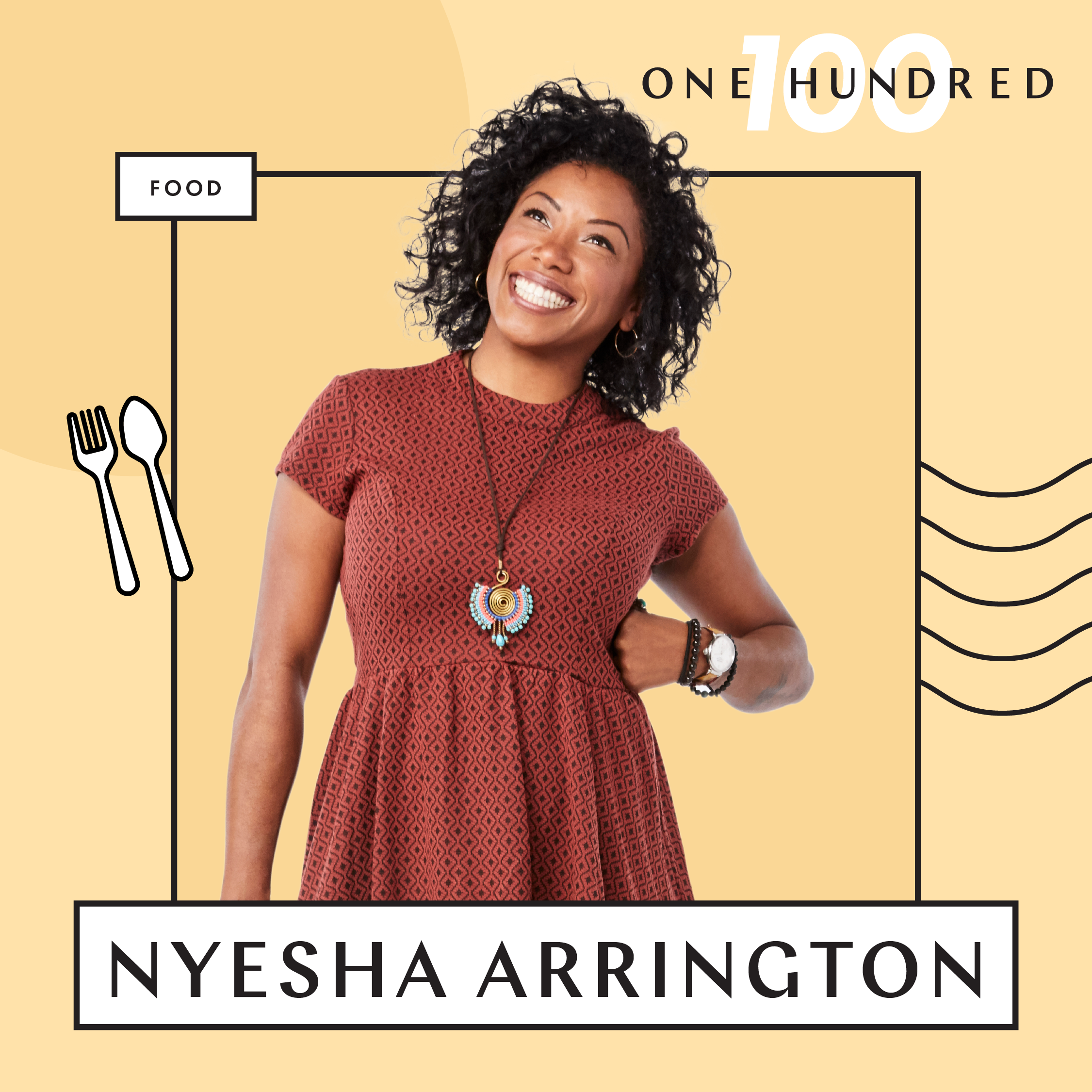
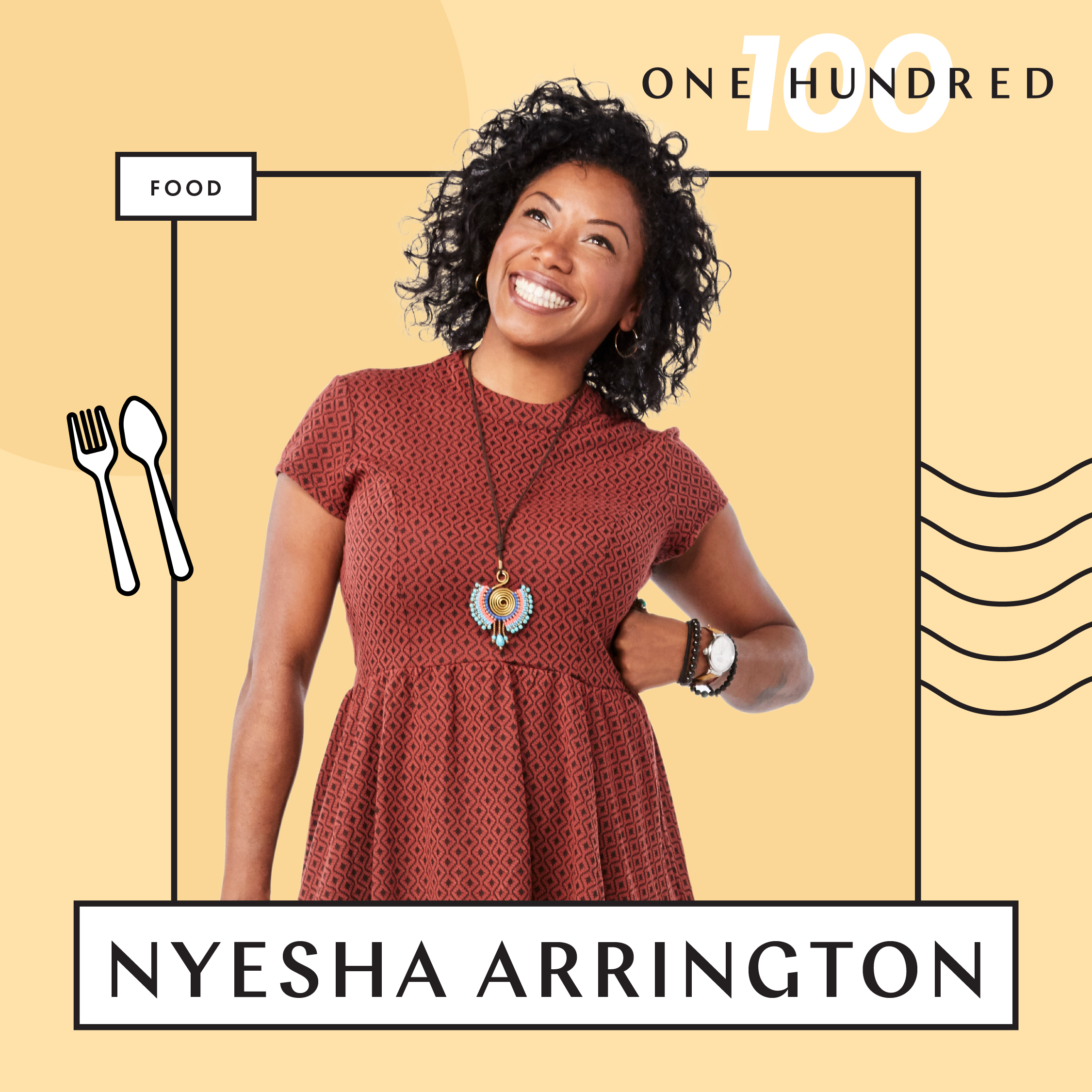
Create & Cultivate 100: Food: Nyesha Arrington
“There is no one great ‘recipe’ for success.”


In a field where the gender gap is getting wider, not narrower, Nyesha Arrington is inspiring the next generation of women in the food industry.
Though the accomplished chef is perhaps best known for her appearance on season nine of “Top Chef,” she’s certainly spent her fair share of time in Michelin-starred kitchens across the country, from Los Angeles to Las Vegas. She was even deemed “a force in Los Angeles cooking” by late L.A. Times food critic Jonathan Gold. (And, for all those foodies out there, she’s currently preparing to compete in the prestigious Bocuse d'Or world culinary competition trials.)
Ahead, Arrington explains how she’s carved out a successful career in an industry that’s not only known for its sharp knives but also its cutthroat competition. Read on to find out what advice she has for up-and-coming female chefs, how she’s managed to bounce back after failed business ventures, and why she firmly believes that there’s not one great recipe for success.
CREATE & CULTIVATE: You are currently preparing to compete in the Bocuse d'Or world culinary competition trials. How do you prepare for a competition like this? What strategies are you planning to use? Why did you decide to compete?
NYESHA ARRINGTON: The reality is I have been preparing for something like the Bocuse d’Or competition my whole life. Playing team sports, studying martial arts, and working for some of the best chefs over the years has built my mind to sustain the mental willpower it takes to undergo such a challenge. Deciding to compete in the Bocuse d’Or felt like it was the next step for me in my culinary journey. As a creative, I am in a constant state of upward mobility, both in my craft and in my artistic expression. The opportunity to represent women and minorities on a global culinary stage was a huge honor that I felt was my duty to show up for.
When you hit a bump or hurdle in your career, how do you #FindNewRoads + switch gears to find success?
Being a person of multifaceted interests allows me to navigate my life in a way that keeps me learning, which is very important to me. I tap into the different areas of opportunity while manifesting diverse avenues of success. A lot of times, it can be challenging to create balance on the front end when you’re going into business. You are giving it everything you've got in the tank—and this goes for double in the food space. I find working out, painting, being an activist for our planet, and volunteering food banks at has created a unique voice in which I can connect with man [woman] kind from a humanitarian lens.
“Sometimes things fall apart, it’s part of the journey.”
What advice would you give a woman at the beginning of her career in the food industry? Why? What do you wish you could go back and tell yourself at the beginning of yours?
I would tell a young woman at the beginning of her career to have perseverance. I think that is so important because she did not choose an easy career or path. There are going to be good days, bad days, and there are going to be hard days—but you must always persevere.
At the beginning of my career, I think I would want to hear the exact same thing that I am telling this young woman. Perseverance is key and it has helped me get far in life, not only in my professional life but in my personal and spiritual life as well.
Between moments of great success, you've also had business ventures fall apart. How do you move through these downtimes and come out of it better and invigorated? What have been some of the greatest lessons you've learned about yourself and your businesses through these challenging moments in your career?
I am a firm believer of “failing upward.” For individuals like myself who are self-made, sometimes things fall apart, it’s part of the journey. There are no mistakes, only lessons. Learning, growing, building, adapting. I have had to learn a lot about what I want and do not want in the public eye. Running my first kitchen at the age of 24 definitely taught me a lot about success and failure. The most important life lesson I learned is that there is no one great “recipe” for success. All of life's adventures in business are different and require different versions of yourself. I value the uncomfortable times because they push me to grow. Stepping into new arenas can be seen in two forms, either as a defeat or an opportunity for growth.

What is it about your career that makes you feel most complete? What drives you?
What makes me feel most complete about my career is the ability to nurture and connect with people. Cooking is a humble gift that transcends gender, race, religion and is a place to draw energy from to be a steward of our Mother Nature. Ultimately, the sustainability of our planet is what drives me the most in writing my love letter to the art of cooking.
Can you recall a mistake you made and share what you learned from it? How did you turn it into an opportunity?
A mistake I made early on was not following my gut. I’ve been steered in the wrong direction whenever I don't listen to my intuition. Being able to have visited over five countries and 12 states this year, connecting with so many beautiful faces from different walks of life, I can definitely say taking a leap of faith to lean into myself this year as a brand has been beneficial in leading the life I want to live.
You've described cooking as artistry and even hosted "Food Is Art" dinner installations. Can you share a little more about this philosophy? How has this viewpoint served you through your career?
I am a “creative,” whether I’m curating an immersive experience through cooking or I’m creating visual art using the mediums of watercolors or acrylics. Cooking is an art using the medium of food. Creating a landscape of an experience through temperature, texture, and flavor balance.
Your unique POV has been the secret to your success in such a competitive space. What advice do you have for upcoming female chefs? What are the main traits or characteristics you need to be a successful chef today?
Being a trailblazer in the industry comes from staying authentic to my message and bringing life experience to my plates of self-expression. Cooking is such an intimate articulation that combines a celebration of mother nature and technical skill. Today in the industry, it is important to be very business savvy and diversify.
What drives your passion for your cooking? Where do you source your inspiration? How do you incorporate that into your cooking style? Why?
My cooking life is literally an outward expression of what is in my soul. Growing up, I had a very diverse landscape of inspiration in Los Angeles. My parents always supported my love for art and it very much plays into my approach of how I translate that to the plate today.
You are currently "freelancing" and cooking mostly for private events. Why did you make that pivot? What is your vision for this business strategy? What can we expect to see next from you?
It's been a super fun year! I am the type of person who wants to connect with as many people around the globe as possible. I feel like I am living my best life when I experience different cultures and share life experiences, recipes, and learn new techniques. The business strategy is one of wanderlust, I have met some very powerful people on this planet and you can expect to see me continue to work towards activism and change for good.
“There are going to be good days, bad days, and there are going to be hard days—but you must always persevere.”
With success comes opportunity but that also means you have your hands full—what keeps you inspired and motivated to keep going even on your most challenging days?
For me, self-care is paramount. Proper nutrition for brain function has allowed me to have clear thoughts and not feel anxious. This year, I adopted an alkaline vegan diet and it has changed my life. I also have a great support system! A group of hard-working women who support each other with so much love and compassion. We call ourselves the “Allday Divas” and met in the best workout group in L.A. led by fitness extraordinaire Lacey Stone. I used to think I didn’t have the time to work out and now I cannot function properly until I jump into a spin class or lift heavyweights.
What is the #1 book/cookbook you always recommend? Why?
The Four Agreements is my all-time favorite book!
In The Four Agreements, don Miguel Ruiz reveals the source of self-limiting beliefs that rob us of joy and create needless suffering. Based on ancient Toltec wisdom, The Four Agreements offer a powerful code of conduct that can rapidly transform our lives to a new experience of freedom, true happiness, and love.
My dad gave me this book when I turned 21 years old. He is a very spiritual gentleman and I undoubtedly value his universal perspective of life. This is the most recommended “self-care” book I tell people about and I have read/re-read it at least 20 times.
Photographer: Jenna Peffley
Hair: Styled by OGXpert & Celebrity Hairstylist Jillian Halouska
VIEW THE FULL CREATE & CULTIVATE 100 FOOD LIST HERE.

Create & Cultivate 100: Find New Roads: Sigal Cordeiro
“The key is not to fear change, but to embrace it.”


When it comes to game-changing women forging a new path for the generations to come, Sigal Cordeiro is at the top of our list. As the Vice President of Urban Mobility and Maven Car Sharing at General Motors, Cordeiro is redefining what the future of personal mobility looks like while smashing the glass ceiling for women in the automotive industry.
We’re so inspired by Cordeiro’s story and know you will be too! Read on to learn more about the groundbreaking work she’s doing with Maven, her advice for women who want to break into their field, and some lessons she’s learned along the way. Grab a pen, these are tips you’ll want to write down!
You’re the vice president of Urban Mobility and Maven at General Motors. Can you explain your role and what it entails? What does your day-to-day life look like on the job?
At General Motors our vision is to create a world with zero crashes, zero emissions, and zero congestion. One way of helping to achieve our vision is Maven, GM’s car-sharing business. Maven is helping to redefine car ownership by making cars available to people who are looking for on-demand transportation, all through seamless technology. Leading Maven, I oversee all business operations, including guiding the strategy, reviewing future plans and providing insights to ensure our members have a great experience.
Your mission is "to define the future of personal mobility through an on-demand car-sharing marketplace"—Can you elaborate on what that means and how you are bringing this mission to life?
The sharing economy is an important societal shift taking place that is impacting a lot of industries, including automotive. Consumers are increasingly valuing access to assets over ownership, and with this comes an openness to sharing things. Just look at Airbnb and Rent the Runway, for example. Years ago, who would have thought people would be okay with sharing homes and clothes? The openness to share is changing the way people look at transportation too. Maven supports this movement by making cars available on-demand.
It’s important that we consider how people want to access mobility now and in the future. Maven members can look for the date and time they need a car, make a reservation, lock and unlock the car, and start it, all through a simple app. Today, consumers have a lot more options to get around, if they decide that owning a car is not right for them.
“I hope as a society we can get to a place where there is nothing stopping women from achieving success in any industry.”
You work in a traditionally male-dominated industry—What drew you to work in the automotive space? What advice would you give to other women who want to break into the industry? Why?
I started my career in marketing and I knew I wanted to work with products that people care about; products that create an emotional connection. Cars do that for many people. It’s a highly involved and emotional purchase. For many, owning a car is a symbol of accomplishment, it brings joy and a sense of achievement. Cars also transport you to some of the most special moments in your life. I love working with products and services that have this kind of impact on people’s lives.
While the automotive industry has traditionally been male-dominated, this is changing. Just look at General Motors, where we have a female CEO and CFO inspiring women across all industries to believe in themselves and aim for the top. I definitely encourage women to consider the automotive industry—or any industry of interest—without hesitation.
With success comes opportunity, but that also means you have your hands full—What keeps you inspired and motivated to keep going even on your most challenging days?
Mobility is a critical consumer need. It’s what allows people to get to their jobs, get back home to their loved ones and enjoy amazing experiences during trips. Working on a business that enables mobility for so many people makes my job truly rewarding. And being a part of the future of mobility and what it will look like makes it even more interesting.
You have really carved out a blueprint for other women behind you who want to get into the automotive industry—What message do you have for these women? Have you had any mentors along the way? What did you learn from them?
I hope my career can serve as inspiration for other women who are considering going into traditionally male-dominated industries. I hope as a society we can get to a place where there is nothing stopping women from achieving success in any industry. There have been several female role models in my professional life and one common thing they have taught me is that I should always be proud of who I am and the perspectives that I bring to the table. Anything is possible if you believe in yourself and work hard to achieve your objective.
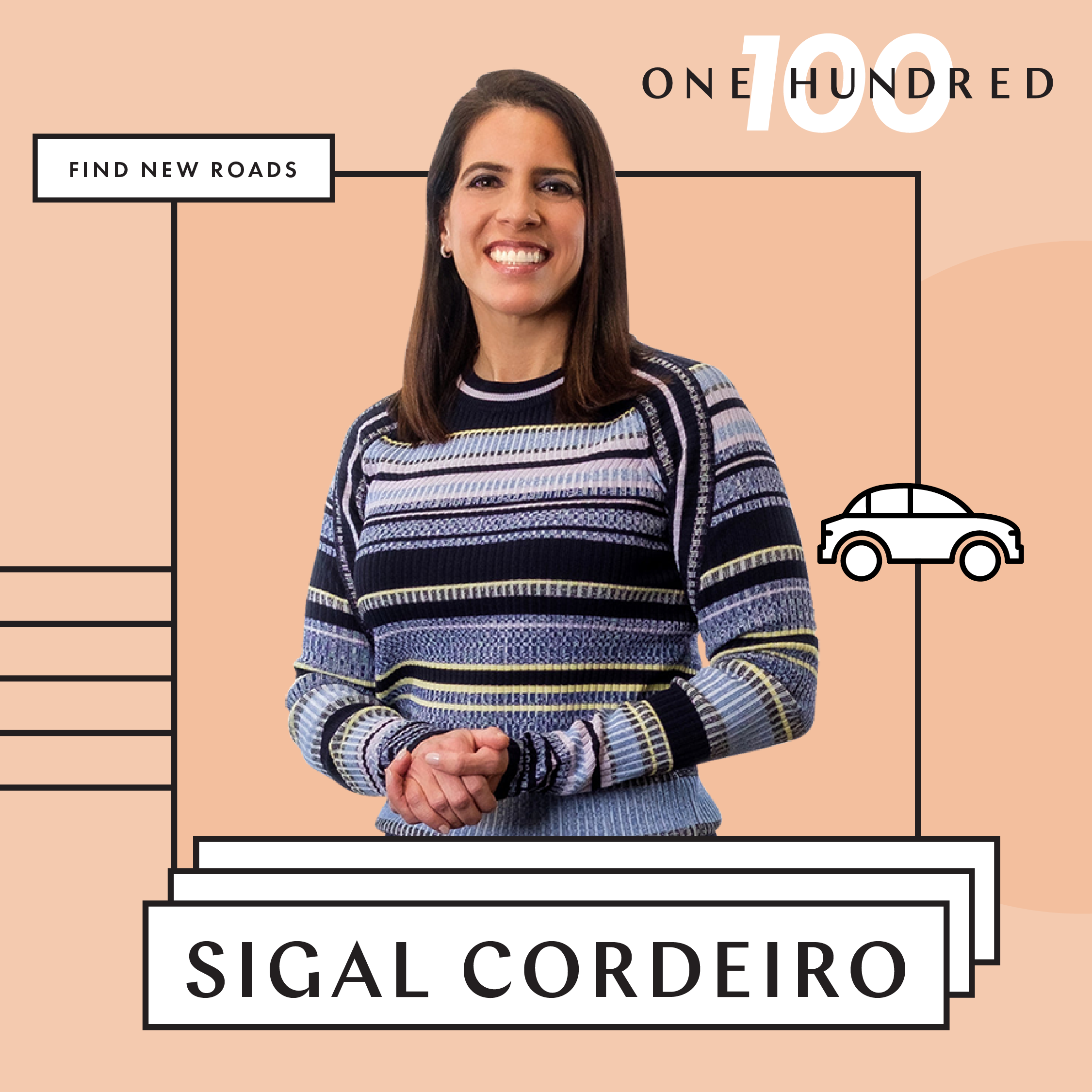
What is the most fulfilling part of your job? Why?
At Maven, we are helping people access transportation so that they can get to where they need to when they need to—whether it be to make money, visit a friend, or go on a trip. I love being a part of something that is rooted in purpose and helping improves our members’ lives. It’s also fulfilling to be the leader of Maven, as my team is filled with extremely talented people who are passionate about changing the future of mobility.
You've achieved phenomenal success but that didn't come without hard work and determination—What are some of the biggest lessons you’ve learned along the way and what have they taught you?
BE POSITIVE: Having a positive attitude helps you navigate the challenges that you will invariably face. Plus, nobody likes to work with someone who is always negative—choose to be positive!
BE OPEN TO TOUGH ASSIGNMENTS: The more challenging the better. That’s how we learn and grow.
WORK AS ONE TEAM: You can’t possibly do everything on your own. Collaborate. Delegate. Your team will make you much stronger.
SPEAK UP: Don’t be afraid to share your opinions. Diversity of thought is critical for the success of every business so share your point of view.
“The key is to not fear change but to embrace it.”
If you could go back to the beginning of your career with the knowledge you have now, what's one thing you would tell yourself and why?
Be confident in yourself. There were times early in my career when I doubted myself and my ability to succeed. There was no basis for it and seeing what I’ve been able to accomplish to date, it is even clearer that I should have never questioned my ability to grow and contribute.
When you hit a bump or hurdle in your career, how do you #FindNewRoads + switch gears to find success
The first step is to be accepting that you will encounter bumps along the way and to be okay with it. The only constant is change—those bumps keep your career interesting and will make you grow. The ability to face challenges with courage, learn and pivot when needed, are critical skills that everyone must develop, particularly in these ever-changing times. For me, the key is to not fear change but to embrace it.
What are you most excited about/looking forward to in 2020?
We have a few new mobility product and service ideas being explored for Maven, so I can’t wait to keep improving the lives of our members as we continue to evolve our car-sharing business.
VIEW THE FULL CREATE & CULTIVATE 100 FIND NEW ROADS LIST HERE.

Create & Cultivate 100: Health & Wellness: Robin Arzón
“The most successful people don’t fear failure—they fear mediocrity.”


It’s no surprise that Robin “The Fitness Queen” Arzón’s motto is “do epic shit.” As the vice president of fitness programming and head instructor at Peloton, a 26-time marathoner, a brand ambassador for Adidas, a New York Times bestselling author, and, not to mention, a former lawyer, she does epic shit every day—and makes it look way easier than it actually is.
Arzón lives every day like it’s her last, and that’s because she almost did experience her last. A traumatizing brush with death (she was held hostage at gunpoint) when she was 20 served as the impetus behind her joie de vivre approach to life. She has become an inspiration to thousands with her enthusiasm and message to live life to the fullest.
Here, we ask Arzón to share her sage advice for anyone considering a huge career shift, how she pushes through negative thoughts or moments of doubt and persists, and the changes she hopes to see in the health, wellness, and fitness industry.
CREATE & CULTIVATE: You left a successful law career to start working in the health, wellness, and fitness space—what was the catalyst behind this career shift? What advice would you give to others considering such a huge career change?
ROIN ARZÓN: While practicing law, I developed a double life as an athlete. I counted down the hours until I could run again. I needed to live for more than an hour of joy a day.
My career transition advice:
1. Take an honest inventory of your current skillset and circumstances. How do you need to level up?
2. Plant all the seeds. Do not ask to “pick someone’s brain.” Instead, offer help to those who you admire and seek mentorship from.
3. Move your body, your office furniture. Shake things up for a new perspective.
4. Just start. Fear is paralyzing. There will never be the right time to level up. Use fear as fuel. Fear is your friend. Jealousy shows what you care about. Fear shows what you have to work on. Act it out. Don’t figure it out.
5. Discomfort is your biggest ally. Nerves mean you care.
When you hit a bump or hurdle in your career, how do you find new roads and switch gears to find success?
Hurdles are jet fuel to a hustler. Recalibrate your focus and go back to the tips above.
You are a brand ambassador for Adidas—how do you choose what brands to work with? How do you manage those partnerships?
Brand partnerships are marriages, not dates. Adidas was an obvious synergy in how they elevate the everyday hero in sport, especially for female athletes. I was also drawn to their mission to change the narrative for young girls in sport. We put strength on a pedestal. I left law to monetize and leverage who I am, how I view movement and push the conversation forward for how the everyday person can do epic shit. That's my North Star. When you know your mission, everything else falls on gut instinct.
“The most successful people don’t fear failure—they fear mediocrity.”
How do you define your personal fitness brand in a way that stands out?
Do epic shit.
As a 26-time marathoner, you know a thing or two about persistence. How do you push through negative thoughts or moments of doubt?
Our inner voice is the most powerful conversation we have. When you tell yourself "I can’t, I won’t, historically I haven’t," then you’re stuck. You might as well reframe that story. The most successful people don’t fear failure—they fear mediocrity. A lot of people want that finish line but they aren’t willing to work for it. I am not that person. I actively revere and seek out discomfort.
What do you wish more people knew about your job?
I only make it look easy.
Peloton has changed the in-home fitness game—how has working on an online platform changed the way you work?
The scale and breadth of our Peloton community are powerful. We are part of a family of over 1.4 million strong. I've never been part of a sports team in my life. I didn't play sports as a child and never identified as an athlete until adulthood. Peloton is the ultimate, global sports team. Everyone is welcome. Everyone has the opportunity to level up through a connected fitness experience on their bike, tread, mat, and phone.
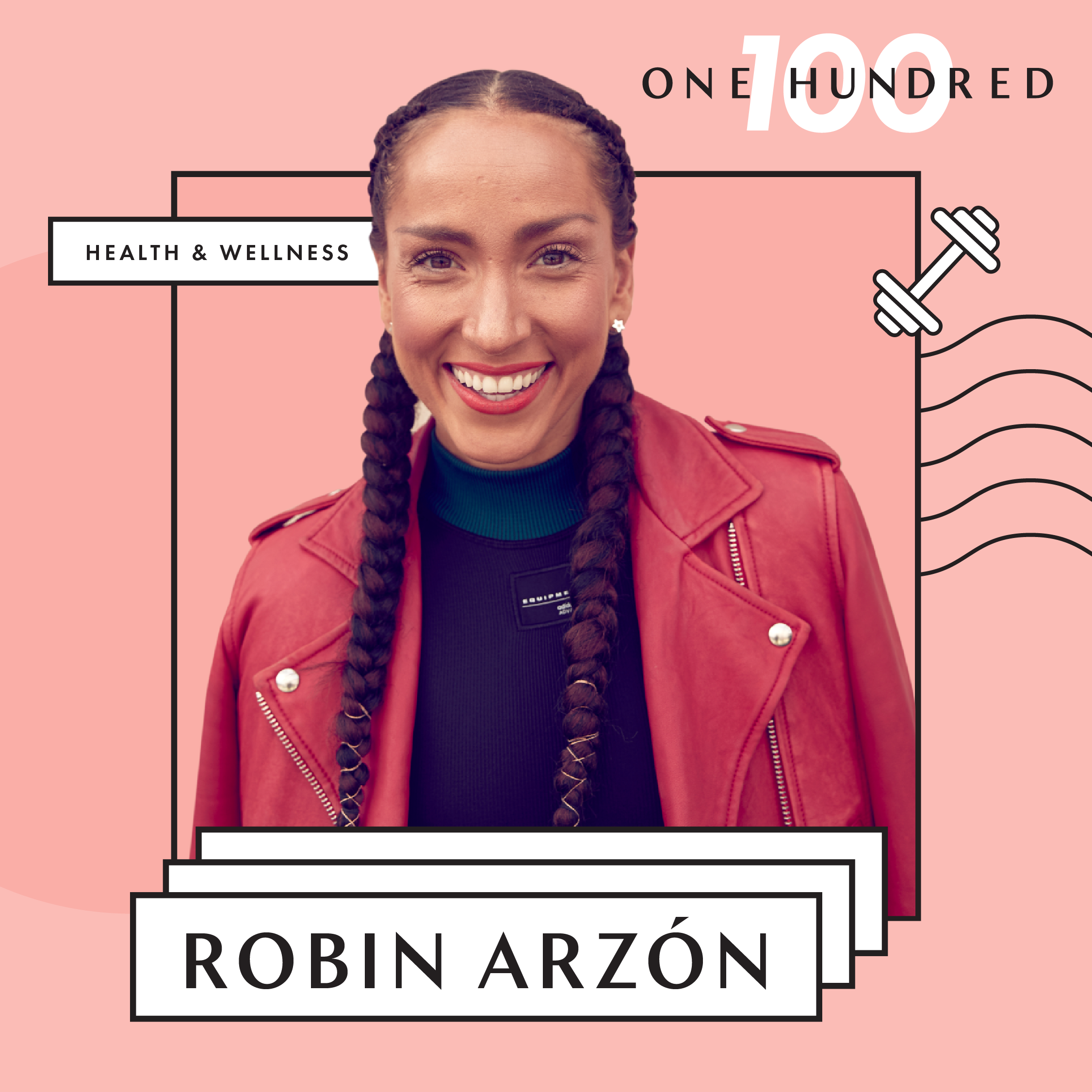
What is the best advice you have been given? Or a favorite piece of #realtalk?
Complaints are not a conversation. Nobody owes you shit.
Your New York Times bestselling book Shut Up and Run is a guide to help anyone achieve their running goals. What is the next big goal you are working toward?
My next book about the hustler's oath, confronting fear, and using discomfort as a launching pad. And making Peloton the biggest wellness brand on the planet.
What changes do you hope to see in the health and wellness/fitness industry?
The democratization of wellness by improving access for all communities. Empowering more people to step into power through movement. I want to eliminate every barrier of entry for someone to reach their strongest self.
VIEW THE FULL CREATE & CULTIVATE 100 HEALTH & WELLNESS LIST HERE.

Create & Cultivate 100: Beauty: Shani Darden
“Don’t be afraid to put yourself out there and take risks. Be your most authentic self!”


Shani “The Skin Whisperer” Darden is, hands down, the most sought-after esthetician in Hollywood. With a client list that includes A-listers by the likes of Chrissy Teigen, Rosie Huntington-Whiteley, Jessica Alba, and January Jones, it’s no wonder getting an appointment at her recently opened skincare studio in Beverly Hills is nearly impossible.
To the joy of skincare fanatics, Darden started bottling her cult retinol serum in 2013. And she’s since launched an everyday skincare line, complete with a cleanser, moisturizer, and toning essence, that makes getting glowing skin attainable for those who may not be able to snag a one-on-one appointment with the esthetician to the stars.
Here, Darden generously offers insight into her success, including her strategy for turning every challenge into a valuable learning experience, her decision to launch a skincare line, and her process for developing new products that stand apart from the rest.
CREATE & CULTIVATE: After years of working as Hollywood's hottest esthetician, you decided to launch your own skincare line in 2013. What was the catalyst for this decision? How has your brand changed over the years?
SHANI DARDEN: I launched my Retinol Reform six years ago, and then, last year, expanded the line by launching Texture Reform, which is a gentler retinyl palmitate serum. I realized that some of my clients with sensitive skin couldn’t tolerate retinol so I wanted to develop a serum that would work great for their skin too. After I launched Texture Reform, I released Daily Cleansing Serum, Daily Toning Essence, and Daily Oil-Free Moisturizer. These are meant to be your daily skincare essentials to supplement your treatment products.
When you hit a bump or hurdle in your career, how do you #FindNewRoads + switch gears to find success?
Every bump in the road has been an incredible learning experience. I think those moments are invaluable because they help you better understand what does and doesn’t work.

What do you wish your younger self knew when you were first starting out in the beauty industry?
Don’t be afraid to put yourself out there and take risks. Be your most authentic self!
When developing your skincare line how did you make sure it would stand apart from other products out there? How do you keep growing your brand?
Every product that I make, I test for so long, as well as test it with my team and my clients.
For many years, I’ve been working with different ages, ethnicities, and skin types. I’ve tried so many different ingredients and formulas and have been able to really determine what works best for all different types of skin and why. I have taken all of that knowledge and put it into my own skincare line.
My focus has been on developing products with the most efficacious ingredients to address the concerns that I’ve heard about from clients and customers over the years. An amazing treatment product can make all of the difference in your skin. A powerful treatment product that uses really effective ingredients paired with the staples like a great cleanser and moisturizer can transform your skin.
What changes do you hope to see in the beauty industry in the future?
My philosophy is: less is more. I think we are overdoing it with skincare. There’s a machine for everything now, and I hope we get back to a place where we aren’t doing as much because it can damage your skin.


What is your best social media advice?
Bring value to everything you put out there.
You are an esthetician to the stars. Has who you work with, changed the way you do things? Do you feel your clients have helped shape your success?
I’ve been fortunate enough to have some truly amazing clients with me from the very beginning. Amazing clients have led to amazing referrals, and I couldn’t be more grateful for that.
“Don’t be afraid to put yourself out there and take risks. Be your most authentic self!”
Where do you find the most inspiration? What drives your passion?
Everything I do is for my two daughters. They are my greatest inspiration.
Your new Beverly Hills studio gained a lot of media attention, as you move into this new chapter what's next for your brand?
I have several innovative products in development that we will be launching in the near future. Content creation is always top of mind for me as well. My new studio is the perfect space for me to be creating content to continue to help people all over the world!
How do you define beauty? What makes you feel beautiful?
Feeling confident in my own skin is what makes me feel beautiful.
Photographer: Jenna Peffley
Hair: Styled by OGXpert & Celebrity Hairstylist Jillian Halouska
VIEW THE FULL CREATE & CULTIVATE 100 BEAUTY LIST HERE.

Create & Cultivate 100: Entertainment: Ally Maki
“If I’m not vocal about my unique experiences, there is no one else who can tell them.”


Ally Maki knows firsthand that representation matters.
When she was younger, she joined club after club in search of a community where she felt seen—but they all came up short. Which is why the actress (who you no doubt recognize from popular TV shows like “Cloak & Dagger,” “Dear White People,” and “Wrecked” and whose voice you know as Giggles from “Toy Story 4”) founded Asian American Girl Club, an apparel company that celebrates Asian American women.
But this is about so much more than just apparel. Maki has launched a movement. A global community has rallied around AAGC’s culture-pushing content that is “dedicated to the normalization of the next generation of AAPI gals and boss babes,” as their mission so aptly puts it. Maki is giving the next generation a platform and a voice—and she’s just getting started.
Ahead, the actor tells Create & Cultivate all about her plans to carve out the career of her dreams and empower women like herself, how she handles failure, and her #1 piece of advice for aspiring actresses starting out today.
CREATE & CULTIVATE: You started doing musical theatre when you were six but you’ve also worked in the journalism field and even performed in a band. How did you settle on acting as a career? What did it take to get to where you are today? Was Hollywood receptive or have you had to fight for your spot? Why?
ALLY MAKI: I've had a love for performing since before I can remember. I was the kid who put on very detailed musical puppet shows from my bedroom but would be completely silent at school. I was insufferably shy. My parents were extremely supportive and really allowed me to try everything as a kid, even when we all knew it wasn't going to be "my thing." Sports was a total disaster. But I always got to try, which was important. When I started doing theater, everything started to make sense for me. It was the one place where I felt like I could be as crazy and weird as I wanted without any judgment. I think that passion and want for a safe space are what has always kept me going through any situation I’ve faced. It will always be fuel for me.
You recently landed the part of Giggle McDimples in “Toy Story 4.” We read that you were a huge fan growing up and that it was one of the first films you saw in a movie theater, what was your first memory of seeing “Toy Story?” Can you talk through why and how this movie impacted you? And how did this character Giggle allow you to unlock your true potential?
Friendships create the baseline foundation for a person’s life, especially during childhood. “Toy Story” as a franchise has taught me so much about friendship, purpose, and identity. I remember my mom had this huge basket that when you opened the top, was just filled to the brim with old school clam shell Disney VHS boxes. It was like a real-life treasure chest. “Toy Story” was the film that played on repeat all day long.
Animation hits in a way for underrepresented kids that’s insanely powerful. When you don’t see people who look like you on screen, you find yourself desperately searching for representation in any format. Characters like Buzz, Woody or Slinky Dog defied stereotypes and created heroes that looked as imaginative as we wanted. Anybody could find comfort in Rex’s anxiety. We saw ourselves in Hamm’s wisecracking wit. Giggle shows me how to use my voice in a big way even when I feel small. And we all know at the end of the day that these characters would be there for us at any moment.
“If I’m not vocal about my unique experiences, there is no one else who can tell them.”
You’re also on a lot of the merchandise, and you now have little girls dressing up as you. What does that mean for you to see that? How will that impact generations coming up behind you and why is that visibility important?
It really means everything. Seeing little girls dressing up as Giggle during the release of the film was absolutely one of the most emotional experiences. It’s a hard feeling to describe. I found it fascinating that through all the brilliant minds at Pixar who helped to create this character, a new iteration of what is possible was put into existence. I love that girls can now say “of course I can be police chief, duh.” This is what TV/film characters do. They can change culture in an instant. I remember a moment that really got me, a mom had sent me a message on Instagram saying that her 6-year-old Asian American daughter had just seen the film and told her excitedly, “Giggle looks like me.” She’s making that connection. It’s moments like these where you feel it on a massive level.
As one of the few South Asian actors in Hollywood what are some of the biggest challenges, you've faced as an actor? Do you think this is changing? And what more needs to be done?
I moved to L.A. when I was a teenager, and by the time I was in my early 20s, I remember feeling so burnt out. The industry was a massively different place than the awesome little musical theater camps I grew up in. All of a sudden, we were being categorized and put into separate boxes based upon factors like appearance and ethnicity. At 14 years old, it did a doozy on my self-worth. I internalized it in a way that went far past auditioning—I told myself I could never play or deserve to be a leading character. Even in real life. Half of my inner battle has been really reprogramming my own psyche. Finding and nurturing young talent in front of and behind the screen is so important. It’s about creating that pipeline of creativity.
You're the founder of Asian American Girl Club, so when you're not busy filming, you're working tirelessly to inspire Asian American girls and women to not be afraid to use their voices and be proud of who they are. When did you decide to start this club? Was there a moment that inspired the movement or was it something you always wanted to do? How do you join the club, what do you do once you're in, and how is it inspiring change?
There really was no specific “aha” moment for the creation of Asian American Girl Club, but rather a culmination of all of the life experiences I had not only experienced but witnessed through the eyes of other AAPI women around me. These women are multifaceted, beautifully talented, and so wanting to build a sisterhood of support. It’s something I found was missing in my own life, as a girl who had two brothers and very few female friends growing up. AAGC was founded on the floor of my living room with nothing but a name and a logo, truthfully not really knowing what it would be. We uploaded it to IG at 10:30 pm and I swear the next morning our inboxes were flooded with messages from girls around the country just wanting to tell their stories and share what it means to them that this exists. A few had sent in college style essays that read as if they were taken from my very own mind.
One of my hopes for AAGC is that it inspires others to start their own companies, projects our just aim for their highest dreams—because they see others who look like them doing it. To be fearless and strong knowing there are support and community behind them saying, “Yes, it’s possible.”

When did you first realize that you are a voice for the Asian American and Pacific Islander community? And how do you feel about that responsibility?
When I first started doing interviews, I was just answering questions authentically from my life experiences. Through each one, I started to get clearer and more confident in what I was saying and how it could be valuable for others. It certainly feels scary, but at the same time, I realize that if I’m not vocal about my unique experiences, there is no one else who can tell them. That springs me into action.
When you hit a bump or hurdle in your career, how do you #FindNewRoads + switch gears to find success?
Just follow your heart. If you had told me a year ago, I would have my own business, I would have probably laughed. Just follow where your intuition is taking you. It knows you better than you know yourself.
You've had an incredibly successful career. If you could go back and talk with young Ally, what do you wish you could tell her? Why?
That you can do all the things you’re dreaming of. It’s all possible.
You have become a role model to so many young women everywhere, what advice would you give to a young woman hoping to follow in your footsteps? How should they be prepared? What are the key traits to succeed in entertainment today?
Don’t be afraid to use your voice and take big chances. Everything good that has ever happened in my career has come from a moment of choosing what may seem like the scarier path—but something about it rang true to me and only me. You have to own that.
Take time alone to really think about what your true goals are. They are going to be unlike anyone else’s—and that’s okay.
Speak up for those that may not have as loud of a voice.
Embrace your uniqueness. The weirdest parts about you are usually what people will resonate most with.
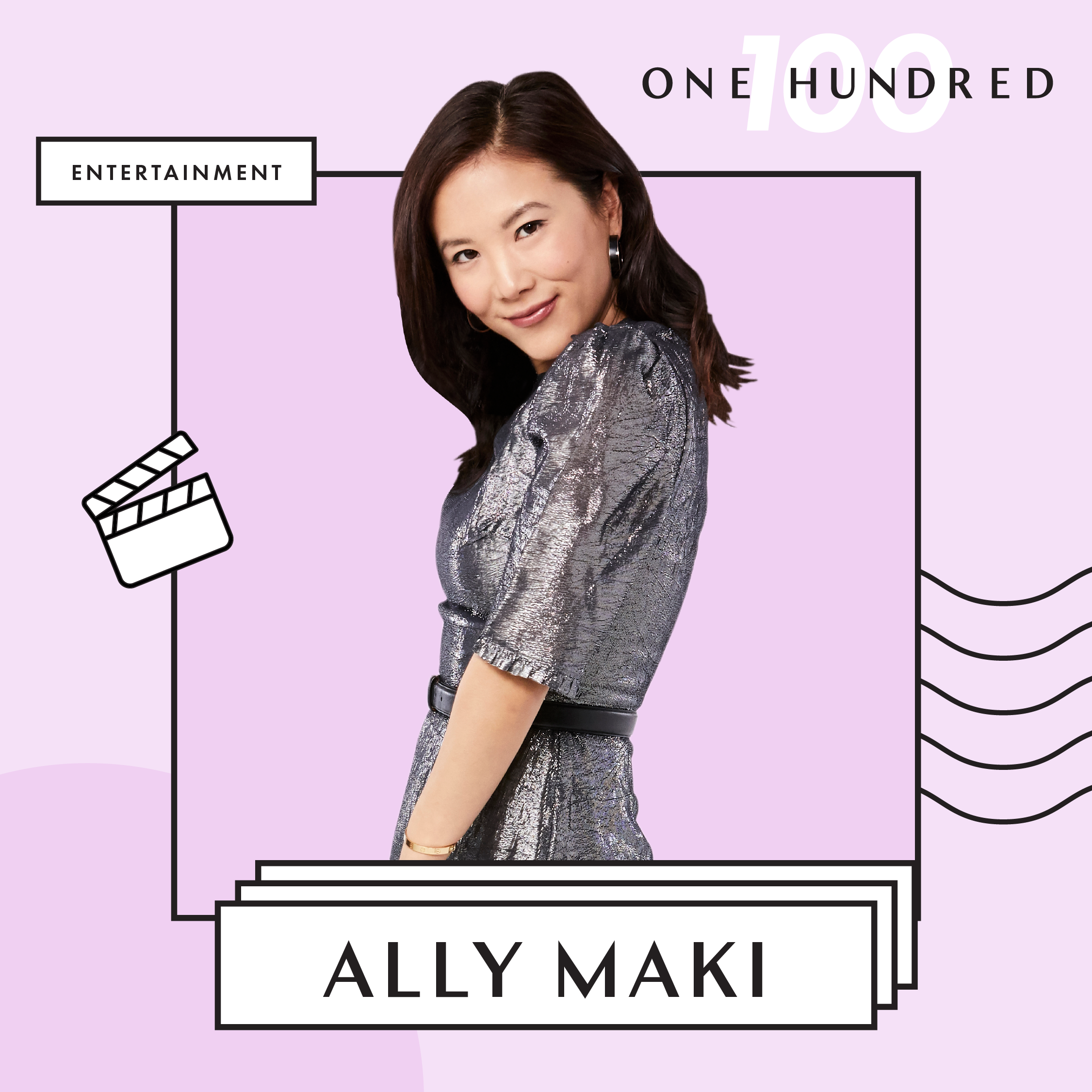
The entertainment industry is incredibly competitive, how do you create a unique voice and character that stands out above the rest?
Funny enough, the hardest part about creating a character, for me, is grounding it in authenticity first. The trap of acting is feeling like you need to be someone else before you can play a character. Finding that tiny bit of truth that rings true for me is the impetus for everything else. Once you find it, it seems to open everything. You can then add all the fun nuances and character-driven elements and it still feels real.
Most people are scared to voice their opinions for fear of the ramifications, but you always seem so bold and self-assured. Do you ever worry being so outspoken will hurt your career? Where do you think this confidence stems from? What advice do you have for people who are feeling self-doubt and want to have more courage?
It’s certainly very scary, in this social climate, to feel like you can speak up, and I deal with that fear all the time. In my experience, I’ve always tried to stay true to who I am and speak directly from my personal journey. That’s all I can ever speak from. I remember when people first started to talk about representation, people would ask me my thoughts on it and I would just share things that have happened to me. Throughout the years, the more I talk about it, the stronger I get. It becomes less about fear and more about finding those people that connect with what you’re saying. Start small. It doesn’t have to be a full-on TED talk, but maybe practice a mini one in the mirror to yourself solo and go from there.
You don't seem afraid of making tough decisions, but what is the hardest decision you’ve ever had to make professionally? And how did you get through it?
I am actually a terrible decision-maker. It’s something I’ve struggled with over the entire course of my life. Through mistake after mistake, I’ve finally come to the realization that it was never the decisions themselves that were difficult, it was always my underlying reasoning for making them. I was making choices based on what I should do and the validation of others versus following my heart, intuition and what I want to do—should versus want. It’s been a definite uphill battle these last few years as someone who is an absolute perfectionist and eager to make the people around me proud, but I realize that I am no good to others if deep down I’m not happy or fulfilled. All the art we create has to come from that good place. Don’t ignore that first gut feeling telling you what you know is true for you.
“Just follow where your intuition is taking you. It knows you better than you know yourself.”
Who in your field most inspires/influences you the most? How has this person changed/influenced your career? Why?
I am incredibly enamored by those who walk the walk confidently and use their voice for change. Ava DuVernay, Reese Witherspoon, Malala, and activists during the Japanese American internment camps. My friend and editor-in-chief at Allure, Michelle Lee, who time after time shows how we can use our influence to help others.
Success is such a broad term and it means something different to everyone. How do you define success? Why?
Success should never be measured in comparison to others or defined by money or fame. There are so many alluring factors that come with a career in the arts, but I find that, at the end of the day, if you don’t 100% love what you’re doing, it will never fulfill you, no matter how high up you get. I’m still that girl that would put on goofy shows in my parent’s living room and I hope to never lose her. I really try not to let other people define my personal success. When I go into auditions, I only feel like a failure if I think I let myself down. If I knew I didn’t do the best that I could have or wasn’t true to myself. Everyone else’s opinion I try not to let affect me as heavily.
With success comes opportunity, but it also means you have your hands full. What keeps you inspired and motivated to keep going even on your most challenging days?
Being grateful and feeling everything. My stylist, Zadrian Smith, and I were recently in New York to attend an event that I considered to be a pretty big moment in my career. I remember being so extraordinarily overwhelmed by it all—the travel, feelings of unworthiness and social anxiety, looking and feeling confident (which are two completely different things) balancing auditions that always seem to pile on when I’m away. It’s so easy in these moments to lose focus of why we’re doing it all. It becomes a bit blurry and you can really lose yourself in the moment.
My inspiration in those times really comes from putting into focus what my goals are and the things I’ve day one dreamed of. When I feel it’s all too much, I will literally freeze in the middle of the room, take a deep breath and start to remind myself what I’m really doing this for and why it matters to me. If we don’t have our “why” then the doing just starts to feel like work. You start to just feel like a chicken with your head cut off.
The filtered world of social media often hides a lot of hard work and behind-the-scenes hustle. What is the reality of being an entrepreneur today? How hard is it really? Be honest!
This question makes me laugh because most people have no idea that we at Asian American Girl Club are a teeny tiny team. That means that—from posting to keeping up the shop, developing new products, social media campaigns, shoots, and writing content—it is mostly all created between a couple of people. I am hands-on with every single detail. It’s madness and there are times where I will just burst into tears, yell into a pillow, or fall onto the hardwood floor in the shape of a sloth-like snow angel. Entrepreneurship has challenged me in ways I never thought possible, but I love it so much. One DM from a girl who says that it helped her understand herself in a new way makes everything worth it. I’m such an adrenaline based person so the thrill of not knowing what’s around every moment gives me massive energy.
What is the best advice you have been given? Or a favorite piece of #realtalk?
“What’s the worst that can happen?”
What is the #1 book you always recommend? Why?
Anything by Brené Brown. Her words on vulnerability and shame have gotten me through some of my toughest moments.
What is the #1 movie you always recommend? Why?
Early Miyazaki films are the cornerstone of my youth. They were some of my earliest showings of outside-of-the-box heroines and women that were powerful in extraordinarily imaginative settings.
Photographer: Jenna Peffley
Hair: Styled by OGXpert & Celebrity Hairstylist Jillian Halouska
VIEW THE FULL CREATE & CULTIVATE 100 ENTERTAINMENT LIST HERE.

Create & Cultivate 100: Health & Wellness: Sarah Larson Levey
“The fate of your future isn't something that should be rushed.”

Sarah Larson Levey was a New York-based fashion executive before she founded Y7, an unconventional yoga studio with humble beginnings as a pop-up in Williamsburg. Fast-forward to 2019 and Y7 has expanded to 14 locations across the U.S. from Brooklyn to Silver Lake—and shows no signs of slowing down.
And to think Larson Levey hated yoga. Her dissatisfaction with the current offering led her to a Craiglist search for a small space where she could host hot yoga classes in the dark to hip-hop music. It was a radical idea but it took off and has completely disrupted the market ever since. The company launched in 2013 and made $9.8 million in revenue in 2018 where it was also included as No. 80 on Inc.’s list of America's 500 Fastest-Growing Companies—Larson Levey also starred on the issue’s cover.
Ahead, she shares the lightbulb moment that sparked her to leave her full-time job in fashion behind to pursue an entrepreneurial endeavor in the fitness industry, including the mistakes she’s learned from along the way, the #1 piece of advice she’d give to women starting out in the fitness field, and the reality of the behind-the-scenes hustle.
CREATE & CULTIVATE: You were a New York-based fashion executive before you made the huge pivot to co-found Y7 with your husband in 2013 as a pop-up in Williamsburg. Can you take us back to that lightbulb moment? Where did this idea come from and did you know it would be as big and successful as it is now? Why do you think this style of Yoga has struck a chord with so many people?
SARAH LARSON LEVEY: I was so frustrated with my yoga experiences. I never felt skinny enough, fit enough, flexible enough, spiritual enough. I was tired of feeling like an outsider in a practice that is for everyone. I decided to create a space that catered to that. Y7 is a space that you can move how you want to, every cue is just a suggestion. I had no idea anyone would even want to practice yoga this way, but it turns out a lot of people were craving a place to practice that doesn’t require these false prerequisites that are portrayed to us.
Now Y7 is available in 14 locations across the U.S. with plans to expand and over 300 employees. Can you take us through your marketing strategy and branding? How do you create a brand that stands out in a sea of competition? What unique social marketing tips do you have for other entrepreneurs to help grow their company online?
Our strategy has always been to provide a consistent client experience. For Y7, that is sweat-dripping, beat-bumping, candlelit yoga. In a space that is so competitive with endless options, it is important to be the space that clients can count on.
When you hit a bump or hurdle in your career, how do you #FindNewRoads + switch gears to find success?
I always find that taking a step back is helpful. Looking back at how much has already been accomplished and remembering that I have been in this tough space before and I can get through it again.
“It’s hard AF. You have to be okay with failing. You have to be okay with getting tough feedback.”
Growing as quickly as you have doesn't come without its challenges. What have been some of the biggest hurdles you've faced along the way? And what did you learn from it? How did you turn that into an opportunity?
One of the biggest hurdles I had was myself. I used to take every review of every class personally. Every time anyone had any sort of feedback I would get defensive and sit in my thoughts. I would get so worried about what every other studio was doing and how I was going to keep up that I almost lost sight of my vision for Y7. I got out of that headspace and learned that the way to grow is to stay focused. Know what you stand for and be that and keep going.
From the outside, you're hugely successful and killing it but we all know the reality is very different. What do you wish more people knew about your job? What are the biggest misconceptions?
The highs are so high that it looks like fun all the time but it takes a lot of work to get to those moments. Sleepless nights, constant worry, roadblocks, you just have to keep going through it all and know that it will pass. Also... yes I work in fitness, but I barely get to work out I am so busy!
The filtered world of social media often hides a lot of the hard work and hustle behind-the-scenes. What is the reality of being an entrepreneur today? How hard is it really? Be honest! What traits do you need to succeed as an entrepreneur or founder in the competitive start-up environment? Why?
It’s hard AF. You have to be okay with failing. You have to be okay with getting tough feedback. Knowing when you have to change your behavior and knowing what your strengths are and where you may need help. You have to let go of your ego—be open to ideas.
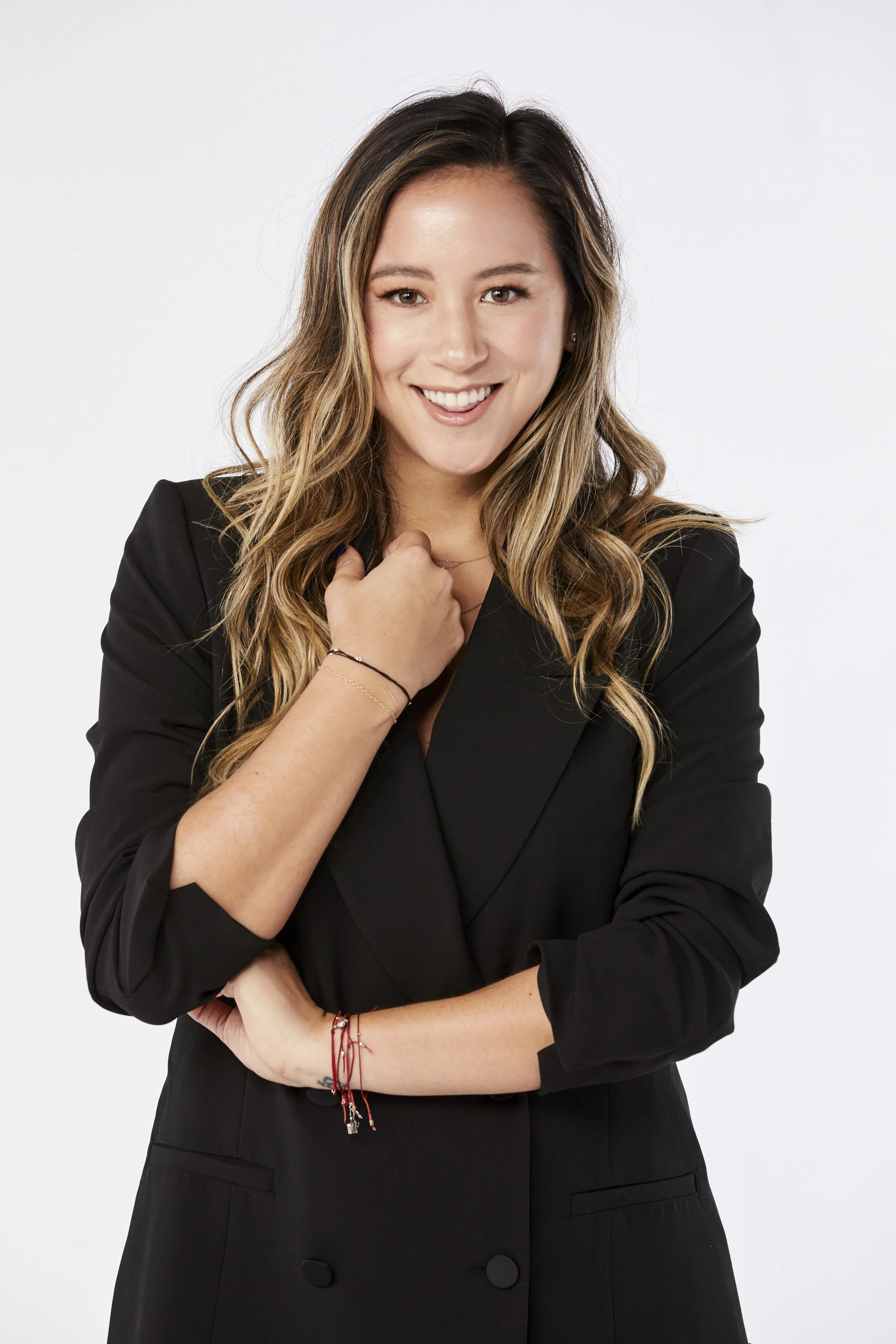
Where do you think is the most important area for a business owner to focus their financial energy? Why?
Oh, wow. This is a tough one—it depends on what business you are in! For me, it has been supplies and labor. For the first three years of the business I ordered all of my supplies off of Amazon... lol... not the best idea. We have since switched to a vendor that is able to consolidate all of our orders and items so we are minimizing our costs and ordering efficiently.
Raising money was necessary to take Y7 to the next level and grow in the way that it has. What are some of the most common mistakes people make when raising money? Why?
Know your worth. Don't just take the first offer you get because it's better than you thought. Do your due diligence and ask questions. The fate of your future isn't something that should be rushed.
Founder depression has been a hot topic of discussion in recent months with more entrepreneurs opening up about their personal struggles. Who do you reach out to when you need advice or support? Do you have a mentor or are there groups you can turn to? What advice do you have for people here today who might be struggling with that too?
This is something that I definitely struggle with. There are moments of being so overwhelmed you think you will never be able to deal with everything. Early on, when I made the decision to make Y7 my full-time priority, I found a coach/therapist that I love. She helps me not only professionally but personally as well. She has been instrumental in helping me become the leader I am today. I feel very fortunate that I have girlfriends who are in the same position as me and I can always count on them for bottles of wine and just talking. If you ever start struggling with depression my number one recommendation is to seek professional help. It's so important we start to take care of ourselves in this way.
What’s a piece of advice you’d give to women starting out in your field? Why?
Don't be afraid to try something new. People could be craving something they don't realize.
We live in a fast-paced world that doesn't seem to slow down, what's your best tip for taking care of our mental, physical, and spiritual selves?
Know what works for you! I know that time with friends and a good glass of wine is how I fill up my cup.
What is the #1 book you always recommend? Why?
The Monk by Matthew Lewis. It was required reading for one of my lit classes in high school. It was written in the 1700s and is still so relevant today. I come back to it time and time again.
Photographer: Jenna Peffley
Hair: Styled by OGXpert & Celebrity Hairstylist Jillian Halouska
VIEW THE FULL CREATE & CULTIVATE 100 HEALTH & WELLNESS LIST HERE.

Create & Cultivate 100: Find New Roads: Tonya Rapley
Helping millennials break the cycle of living from paycheck to paycheck since 2013.


Tonya “The Millennial Money Expert” Rapley’s lightbulb moment for launching My Fab Finance was sparked by a personal need. As a millennial living in New York City and working for a non-profit, Rapley wanted to break the cycle of living from paycheck to paycheck but couldn’t find a financial resource tailored to millennials—so she created one.
Her pivot paid off. The award-winning site has completely changed the game, turning the once stuffy and dated financial industry into a fun, familiar, and dare I say it cool space landing her on the cover of Black Enterprise magazine and lauded as “a modern-day history maker.”
Here, the finance expert explains why financial advice for millennials should differ from previous generations, the money mistakes she's made along the way, and the #1 tool every entrepreneur needs to stay on top of their cash flow and stay in the green.
CREATE & CULTIVATE: You started My Fab Finance over six years ago, what was the catalyst for starting this business? Did you always have a passion for money? What is your vision/mission for the company?
TONYA RAPLEY: I started My Fab Finance because I felt that there weren't any people speaking about money that I could relate to. I was living in New York City working at a non-profit but still wanted to enjoy life. Everyone was talking about deprivation but they weren't talking about balancing wants and needs while becoming financially secure.
You are known as the millennial money expert and your company is tailored towards helping millennials break the cycle of living paycheck to paycheck. How does financial advice for millennials differ from advice for other generations? How are you helping young women become financially free? What are some of the main areas where women need help with money? Why?
Financial advice for millennials has to take a few things into consideration: 1) Rampant student loan debt, 2) Increased costs of living match with stagnant wages, 3) The absence of pensions and other workplace retirement programs, 4) Achieving your financial goals in the age of technology. So I try to help millennials navigate our new reality that most of our parents don't even understand. Honestly, I've found that men and women deal with the issues I've listed above. Women are better at managing money than most give them credit for and I want to highlight those stories of women making wise decisions with their money.
“Women are better at managing money than most give them credit for and I want to highlight those stories of women making wise decisions with their money.”
When you hit a bump or hurdle in your career, how do you #FindNewRoads + switch gears to find success?
Conversations. I think conversations with others are powerful, people who know you, people who don't. Listening to how others ended up in their career paths as well as asking for suggestions regarding navigating yours.
To have a successful business, you need to fall in love with numbers and manage your financials. What is your best piece of financial/money advice for new entrepreneurs? What tools can they use to keep on top of their cash flow and stay in the green?
Quickbooks. It has changed my business and allows me to look at my numbers clearly. Also, find a good, honest accountant.
As a business owner yourself now, where do you think is the most important area for a business owner to focus their financial energy? Why? What money mistakes have you made and learned from along the way?
I would say maximizing their expenses. It's easy to find ways to justify expenses without having an understanding of what the return on investment will be. Always be asking yourself how certain purchases or financial commitments contribute to your bottom line. One of the biggest mistakes I made early on was paying for a software that everyone said I should have without understanding how I could profit from using the software and whether my business was ready for it.
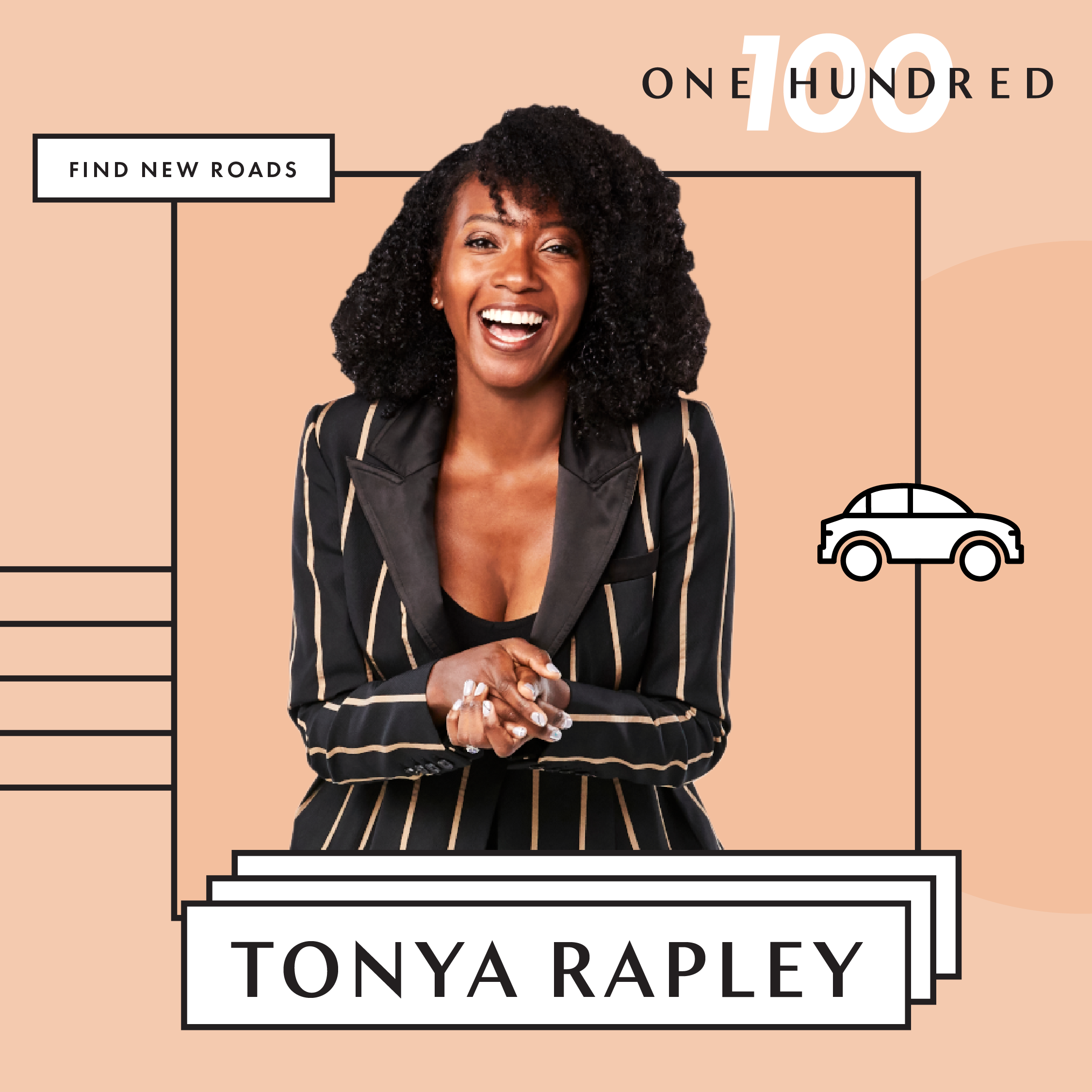
You've built an impressive business that is really successful, but nothing worth building is without its challenges. What is the biggest work challenge you’ve faced and what did you learn from it?
An ongoing challenge had been paying my consistent staffing with inconsistent income. Each month was different and it was hard to predict what we would bring in, which is why I created a membership club, which allows me to bring in recurring revenue monthly. This has helped me cover my regular expenses with ease.
You do a lot of mentoring and speaking engagements across the country. What are the most frequently asked money questions? What money problems are people trying to solve? What are some of the most common mistakes people make with money? Why?
Hands down, people are trying to find ways to pay their student loans or they want to begin saving for their future so that they can actually retire one day.
What advice do you have for women who haven’t found their path/passion yet?
Keep trying things. In my experience, you have to try things out that aren't for you in order to find what is for you.
You started the Blue Ribbon Club to bring together money-minded individuals and create a community for them to learn. Where did the idea for this club come from? Why is a community a good way to learn about money?
It came from my need to create stability in my business and how we were offering our programs. I also wanted to create more structure in how I was serving my audience so that I could guide them to the desired outcome.
“Always be asking yourself how certain purchases or financial commitments contribute to your bottom line.”
You are an expert, so we have to ask, what are your top three money tips?
1. Always be making money. 2. Commit to doing something every week that improves your relationship with money or your finances. 3. Have at least one month of your expense set aside in savings.
What's a money mistake you made and what did you learn from it? How did you turn it into an opportunity?
Cashing out of the first 401K I was invested in back in college. I wish I would've rolled it over and allowed that money to grow.
Your company and your journey to success are unique. What is next for you and for My Fab Finance?
We're going to be focusing on the "helping people do more of what they love" element of my brand in the coming years. Since launching my business, I've relocated, traveled, had a baby, and we're looking to purchase our first investment property. I'm living life on my terms and I want to empower others to do so as well.
What is the #1 money/finance book you always recommend? Why?
My book! The Money Manual! It's straight tot he point, easy to digest and really helpful. Other than mine, Profit First by Mike Michalowiz, it's a must-read for business owners.
Photographer: Jenna Peffley
Hair: Styled by OGXpert & Celebrity Hairstylist Jillian Halouska
VIEW THE FULL CREATE & CULTIVATE 100 FIND NEW ROADS LIST HERE.
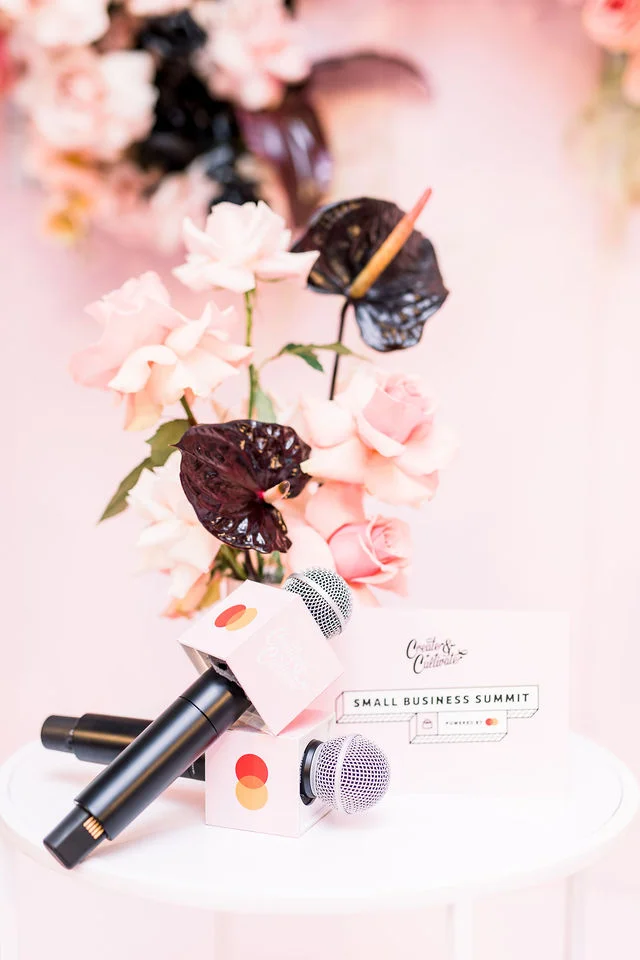
"I Never Use the Words Win or Failure Anymore"—and Other Boss Lady Quotes From Our First-Ever Small Business Summit
Get out your notepads.
Big city, bright lights! We made the trek from one coast to the other this fall for our first-ever Small Business Summit in partnership with Mastercard. NYC greeted us with incomparable energy and we were so excited to hit the ground running with endless opportunities for networking, knowledge dropping, and so much more.
At C&C, we make a point of supporting small businesses and their founders—as does Mastercard. So, it only made sense that we would join forces with the best-in-the-game to create a new summit for our community. We set the stage for attendees by offering some incredible awe-inspiring panels, workshops, and photo moments—but don’t jump the gun just yet if you’re feeling that wave of FOMO.
Not only did we talk hustle, but we got to see it IRL. We were excited to partner with Mastercard and spotlight a few boss-ladies who set up shop in the Mastercard Small Business Marketplace for attendees to shop, talk and network with—talk about shopping with purpose!
But we will say, if there was one thing to have total FOMO over, it was the Bumble Bizz Headshot Studio. We were honored to carve out a special place for attendees to have professional headshots were taken (not to mention it was a killer Instagrammable moment, too). Be sure to download the app for a chance to try the best networking tool at your fingertips.
Follow along for some snapshots and key learnings that will make you feel like you were there in the Big Apple with us. Don’t forget—if you’re an Insider—you too can access the live recordings of these business-savvy panels from the comfort of your own home (or smartphone).
Take a look below for the best of our Saturday in the city.
Keynote: Sophia Bush and Stacy London
Panelists:
Sophia Bush | Actress, Activist, and Host of Work in Progress podcast
Stacy London | Style Expert and New York Times Best-Selling Author
Stacey London
On pivotal points and realizations...
“All the things that I thought were failures were what propelled me to the next thing.”
“I never use the words win or failure anymore—they are just ‘value judgements’.”
“Expectation is the enemy of forward movement—it is the enemy of progress. “
“Age is no longer an indicator of giving good advice—experience is no longer how we measure advice.”
“Being clear on what your goals are, saying ‘no’ when something doesn’t serve you or your company is essential.”
On getting through hardship and disappointments in your career...
“I'm going to look at whatever that roadblock was, I'm going to figure out how to get around it or I’m going to build a different road.”
“For people in your generation, the more options you have— being a multi-hyphenate—it’s looked at as such a positive thing. In my generation, not only did you have to stay in your lane, you don’t check any boxes.”
”We’ve all been met with dead ends. You never think you are going to meet the problems you’re going to be met with. You have to believe that everything happens for a reason. You have to become a problem solver in your own life.”
On saying ‘no’...
“Once I named what it is that really motivates me, it made it easy to say ‘no’ when it didn't fall under that umbrella.”
Sophia:
On words of wisdom...
“If the world isn't ready for your good idea, that doesn’t mean it wasn’t a good idea.”
“Don’t compare your insides to someone else’s outsides.”
“Humans need eight hugs a day to survive in their bodies—twelve hugs a day for optimal performance.”
On connection:
“You must connect with your people in real-time, in real life. Whether it’s your company, your clan, it’s not enough to just connect through social.”
“It is not okay, ever, to feel less than.”
On self-worth:
“Don’t compare your insides to someone else’s outsides.”
On setting goals:
“We set goals, great but we achieve that goal and set new goals so, we’re always chasing something on the horizon—we need to be able to look at the life we’re living today and say that it's pretty cool.”
“The idea is to not be so hard on yourself but to stay motivated. You are always going to be moving. The idea is to think of there is no finish line until your ashes are in the ground.”
“The point of living is to keep going.”
“Instead of that high and that low, see it as one more step.”
On saying no:
“Once I named what it is that really motivates me, it made it easy to say no when it didn't fall under that umbrella.”
“Get clear what the pillar is that all your verticals fall in. Say no if it doesn’t fall under that pillar.”
“I really want for all of us to figure out what serves us and lets us serve the world.”
Venture Forth: Building, bootstrapping or bringing on capital for your business
Panelists:
Vanessa Dew | Co-Founder and Chief Sales Officer, Heath-Ade
Molly Hayward | Founder and Chief Brand Officer, Cora
Hilary McCain | Founder and CEO, Sweet Reason CBD
Arielle Loren | Funding Expert for Women and Founder, 100K Incubator
Jaclyn Johnson | Founder and CEO, Create & Cultivate
Moderator:
Sacha Strebe | Editorial Director, Create & Cultivate
Jaclyn Johnson
On the big picture...
“A lot of these big companies that you love don’t make any money, but they make a lot of the headlines.”
“Fall in love with the numbers.”
Vanessa Dew
“When we were raising our first round, let me paint the picture of eating ramen every day—we were beaten down, we were getting up early in the morning to go to the farmers market—so we eventually needed money to supplement the business.”
On the money conversation...
“As females, we often don't negotiate or bring up taboo topics. For example, founder pay, founder liquidity. These topics were never brought up because we were afraid.”
On how to raise money...
“We called in a whole village: a finance professor, brought lawyers on deck—we had a whole group to gain their insights. You get insights from people, but at the end of the day you need to follow your gut and do what is right for your business.”
On raising money or bootstrapping it:
“We are responsible for our teams lives. There is an emotional side to it.”
“As a founder and leader your job is a fiduciary responsibility to increase holder value—we are not robots. You are a human leading the company. At some point your agendas don’t match. It is always good to align with your executive team and your investors around what the plan is for the next three to five years.”
Molly Hayward
On the why behind Cora...
“You know for me it started from a place of pure inspiration. I was travelling in Kenya and found out that all the girls were missing school during the month of their period because they couldn’t afford period products. How fucked up is that?”
“When I looked into the industry I was shocked at how unconscious we were when it came to the impact of the products we were using.”
On creating and growing her business...
“For me, the disruptive piece came from not knowing any better. Not feeling like there was a rule I had to follow, not feeling like there was something I had to differently.”
“It was clear to me that I wanted to create a brand that represented the values of the modern woman. It’s sad that that is considered disruptive, but it is.”
“It is taking the attitude of: ‘I’m going to let who I am lead this process’ and following your gut.”
“Best Advice: Make more than you spend. At the end of the day if you can you do that in as lean of a way as possible, you put yourself in the strongest position.”
On raising money...
“In the first 18 months from idea to raising money, I have gone through every type of funding—self-funded at first and from there I did a crowdfunding campaign.”
“There’s no wrong way to do this.”
“Be conscious of your cash flow.”
“I was by no means an expert and I leaned on other investors and other entrepreneurs I know and asking what I need to do next.”
“Finance and investing is still a male-dominated industry—women are still breaking in.”
“You're not alone, let it be a learning experience. Don’t be afraid to ask questions. Don't feel like you're not worthy of that answer and that money in the end.”
Hilary McCain
On the importance of working with others...
“Sell the dream. Convince the people around you to build something with you.”
“One way we have found to get good people involved is giving equity to every person involved in the company, from the top down to the bottom.”
On raising money...
“The second you raise money, the clock starts ticking. There is enormous pressure, but I might not have completely appreciated how much you are held to those numbers.”
Arielle Loren
On raising funds...
“There are so many options and for us, it's about educating people about their options. Know where you fall in the process, then you can set yourself up for success.”
“How can you show proof of concept as early in your business as possible? What can you do in the meantime to position yourself and your company as something with potential?”
“Raising money doesn’t mean you have a profitable and viable business yet.”
Mastering the Three C's: Content, community, and commerce
Panelists:
Marie Forleo | Marie Forleo, author of the instant #1 NY Times Bestseller, Everything is Figureotuable
Courtney Quinn | Founder, Color Me Courtney
Leann Livingston | Brand Manager, Square
Ginger Siegel | North America Small Business Lead, Mastercard
Claire O’Connor | Editorial Director, Bumble
Mallory Blair | CEO, Small Girls PR
Moderator:
Reesa Lake | Partner, EVP of Brand Partnerships, Digital Brand Architects
Marie Forleo
On content...
“Content, when you create it right, gives you the opportunity to create trust and confidence long before you ask anyone for a sale.”
“Consumers understandably have a lot of skepticism—content is the most important signal for us to show what we stand for.”
On community...
“It's about paying attention to people and making them feel seen, heard, acknowledged.”
On social media followers…
“If you go holy shit, 300 people care about what I say and you treat those people like gold, you make them feel loved seen heard, that's what matters.”
“People’s bullshit-meters are so high, so you have to be rooted in your heart and a genuine caring.”
On commerce…
“No matter what business you're in, you have got to become masterful in marketing and sales—it is the lifeblood of your business— understand the people you’re serving.”
Courtney Quinn
On community...
“If you’re focusing on people who don't follow you, it's a waste of time. You have people who are already here, focus on them. My community is the reason I grow.”
“I create content for the people who are following me. I invest in them.”
On commerce...
“People want to promote what I stand for.”
“I think if people care about you as a creator, they will want to buy what you're selling.”
“I have to fall in love with the story before I fall in love with the product.”
“Have people fall in love with you and what you do, the money will follow and it is an easy way to bridge the gap between content and commerce.”
“When you create a clear brand, it helps you differentiate early on.”
On being authentic in what you show...
“You can't fake the things that are you.”
“I picked five things that were me to a tee. I put my top five everywhere and looked at those five things whenever I was producing any content and if it didn’t check the box, then it doesn’t get seen.”
Leann Livingston
On content…
“60% of consumers are looking for brands that have values and use that to make purchase decisions.”
On community...
“If we want to be about small business owners, we need to be about the community.”
“Find out how you can partner with the communities that are already built and thriving.”
On women-owned businesses that are crushing it...
“Your business can represent so much more than just what you sell.”
Ginger Siegel
On content...
“Planning everything out isn’t going to work in this real-time marketing environment. What you need is agility.”
On community…
“Particularly with female entrepreneurs, we are much more apt to be drawn into a community.”
Mallory Blair
On content...
“Rise above the clutter—How do you stand for more?”
On community...
“Make a list of brands you feel are in the same universe and reach out, offer to cross promote their brand.”
Re-Imagined Retail: From brick & mortar to DTC we explore how the future of the shop is being shaped
Panelists:
Lisa Price | Founder, Carol’s Daughter Inc.
Ali Kriegsman | Co-Founder and COO, Bulletin
Dianna Cohen | Founder, Levitate
Jessica Kahan Dvorett | SVP at CaaStle and General Manager, Haverdash and Gwynnie Bee
Lisa Mastela | CEO, Bumpin Blends
Moderator:
Christine Michel Carter | Writer and Global Marketing Strategist
Lisa Price
On holding your own self back...
“I had to stop blaming me, and get out of my own way.”
On conversation with the customer…
“The thing that is most important is your storytelling and your authenticity. When I started I didn't need to worry about what am I going to post about today, I could just create products. Today, you have to have a dialogue.”
Lisa Mastela
On guilt...
“Letting go of the guilt of failure has been the hardest for me. I would be overwhelmed by those feelings and want to quit. When you experience failure over and over and over again, which you do, be able to bounce back and learn from it.”
Maker Economy: A Conversation With Madewell’s Hometown Heroes and Nest on Building Your Handmade Biz From the Ground Up
Panelists:
Lacie RZ Porta, Founder, Framed Florals
Natalie Borton, Founder, Natalie Borton Jewelry
Virginia Sin, Founder, SIN
Amanda Lee, Director of Brand Strategy & Sourcing at Nest
Moderator:
Sacha Strebe | Editorial Director, Create & Cultivate
Lacie RZ Porta
On press impacting the business...
“If you know you're going to have more traffic to your site, plan for it, prep for it. Even if you don't, learn from it.“
On life learnings...
“I learn the most from the things I wasn't prepared for.”
“If it's not a ‘hell yes’ it's a no.”
Natalie Borton
On Hometown Goods with Madewell...
“There was legitimacy that came with Madewell being willing to sell my goods.”
Virginia Sin
On goals…
“For any goal, you have to have detailed steps on how you get there and look back at your values and make sure you're not compromising as you get there.”
On best advice...
“Authenticity. Being able to tell a story that's differentiating. There is only one you—if you can share your story and make it compelling, it will go a long way. Never give up.”
Amanda Lee
Best advice for women...
“Key in on your values and brand values. In a quickly changing world, things change but if you hone in on who you are and your values that will always stay true.”
Teamwork Makes the Dreamwork: How to scale your business and take it to the next level [POWERED BY MASTERCARD]
Panelists:
Morgan DeBaun | Founder and CEO, Blavity (WSBAC)
Sonja Rasula | CEO and Founder, Unique Markets (WSBAC)
Katie Rosen | Co-Founder, FabFitFun (WSBAC)
Jordan Jones | Founder and CEO, Packed Party
Cheryl Guerin | EVP North America Marketing & Communications, Mastercard
Moderator:
Jaclyn Johnson | Founder and CEO, Create & Cultivate
Cheryl Guerin
On best advice...
“I think you have to be scrappy with all of the tools at your disposal”
Sonja Rasula
On money...
“I took all of my savings, every penny that I had, and I started the business.”
“I’ve never lost a penny. I never took a loan. I’ve never needed investment in 11 years.”
On best advice...
“Female entrepreneurship is now being given the light that it deserves.”
“If you believe that you have a good idea and you believe in yourself, and you have the confidence, there is no reason why you shouldn’t invest in yourself.”
“If you believe in yourself, why the fuck wouldn’t you put everything you have into it?”
“If you believe in yourself, do it. Risk it. Time is not a luxury we have.”
On what the world wants…
“People are craving human, in-person connection again.”
Katie Rosen
On nothing is perfect…
“We have re-written our mission 6000 times.”
“Invest in what works and throw away what doesn’t.”
Jordan Jones
On strengths...
“I knew my strengths and I played to them”
Morgan DeBaun
On investing...
“The point of investment is to grow the business. You have to maintain what you’re doing and also get return 10x.”
On diversifying…
“Content is the cheapest way to build a business—we leveraged content.”
“The black community is so underserved, so we were creating content for them.”
Desk-Side—How This Celebrity Esthetician's European-Inspired Studio Influences Her Work
This is where the celebrities get their glow.
Research very clear states that indoor environments in an office has a great influence on employees‘ attitudes, behaviors, satisfaction, and works performance. Workspaces that lack consideration for temperature, water quality, lighting, and noise conditions can expect to see a decrease in employee happiness and productivity. In our series, Desk-Side we peek inside the offices of businesses that marry the basic essentials with elevated aesthetics to keep both their staff’s passion and performance at 100.

Photo: Michael Clifford
If you haven't heard of Shani Darden (which we find it hard to believe) then we can guarantee you've heard of her clients—Rose Huntington Whitely, Jessica Alba, and Chrissy Teigen to name a few. For years, the expert esthetician has been Hollywood's biggest skin secret sending out an army of glowy, dewy skin disciples from her own home. She ran the entire operation herself, answering emails, phone calls, and even the front door. Darden even developed and launched a self-titled product line which unsurprisingly was a sell-out.
So when she finally opened her own studio in Beverly Hills we knew it would be nothing short of spectacular—we weren’t disappointed. Darden worked with celebrated designer, Jake Arnold (he designed Who What Wear co-founder and CEO, Katherine Power’s home) on the moody, French-inspired 2300-square-foot sanctuary complete with Calcutta Viola marble reception desk and pink curved sofa.
Read on to learn more about the space and how the design direction was influenced by her work, and vice versa.

“I wanted to create a space that was calm, serene, and chic.”
Photo: Michael Clifford
What was the vision/direction for the space? What did you think about when decorating?
“I worked with one of my great friends who happens to be a designer, Jake Arnold. I wanted to create a space that was calm, serene, and chic. Jake is very inspired by European sensibilities and loves to use natural, raw materials. It was designed with a mix of clean lines, natural materials and polished finishes. He did a really incredible job of bringing in elements of my personality. I love the Calcutta Viola reception desk and powder room sink. It really brought the whole space to life.”
How important is the design of your studio for conjuring the creativity and inspiration for your work?
“It’s beyond important to me to have a clean, beautiful environment where I work. When the space is in impeccable shape and I have fresh flowers, nothing makes me happier! I have these amazing florists, A&J | Los Angeles @aj.losangeles, who do a hanging floral installations in the entry that I die for. In addition to the spa portion of this space, I also have an office for the skin care team. It’s where product development, testing, and planning all happens. We have several innovative products soon to be released.”

Photo: Michael Clifford
What is your favorite piece/place in your studio and why?
“I love the entry. You walk in, and there’s a fountain that I always keep fresh flowers in. You then walk through an arch into the reception area and it’s just such a calming, serene moment to enter into.”
How did you decide on the color scheme?
“I knew I wanted it to be minimal and neutral to keep it very high end and chic. However, the reception desk is a very bold marble with white, black, and purple. It pairs super well with the neutral lime wash finish on the walls.”
What’s your favorite thing about the space?
“I couldn’t be more grateful to have a space of my own. I didn’t know that this would ever be a possibility, so it’s just such a dream come true.”
What is your biggest inspiration and how does that factor into your work?
“I am a mother of two girls, and they are always my inspiration and motivation. Everything I do is for them. I love that my girls get to watch me build my business, and know that chasing their dreams is entirely possible.”
Up Next: Step Inside Our Chic (and Cool) Create & Cultivate Clubhouse in Los Angeles.
What was the biggest challenge of this project?
The biggest challenge was finding the right spot. After a long search, we found a spot in Beverly Hills that had great bones, but it had to be completely gutted and reimagined.

In Her Shoes: This Fashion Blogger Shares Why You Should Treat Your Side Hustle Like a Full-Time Job
“The only way a creative idea becomes a full-fledged reality is when you dedicate enough time to it to help it grow.”
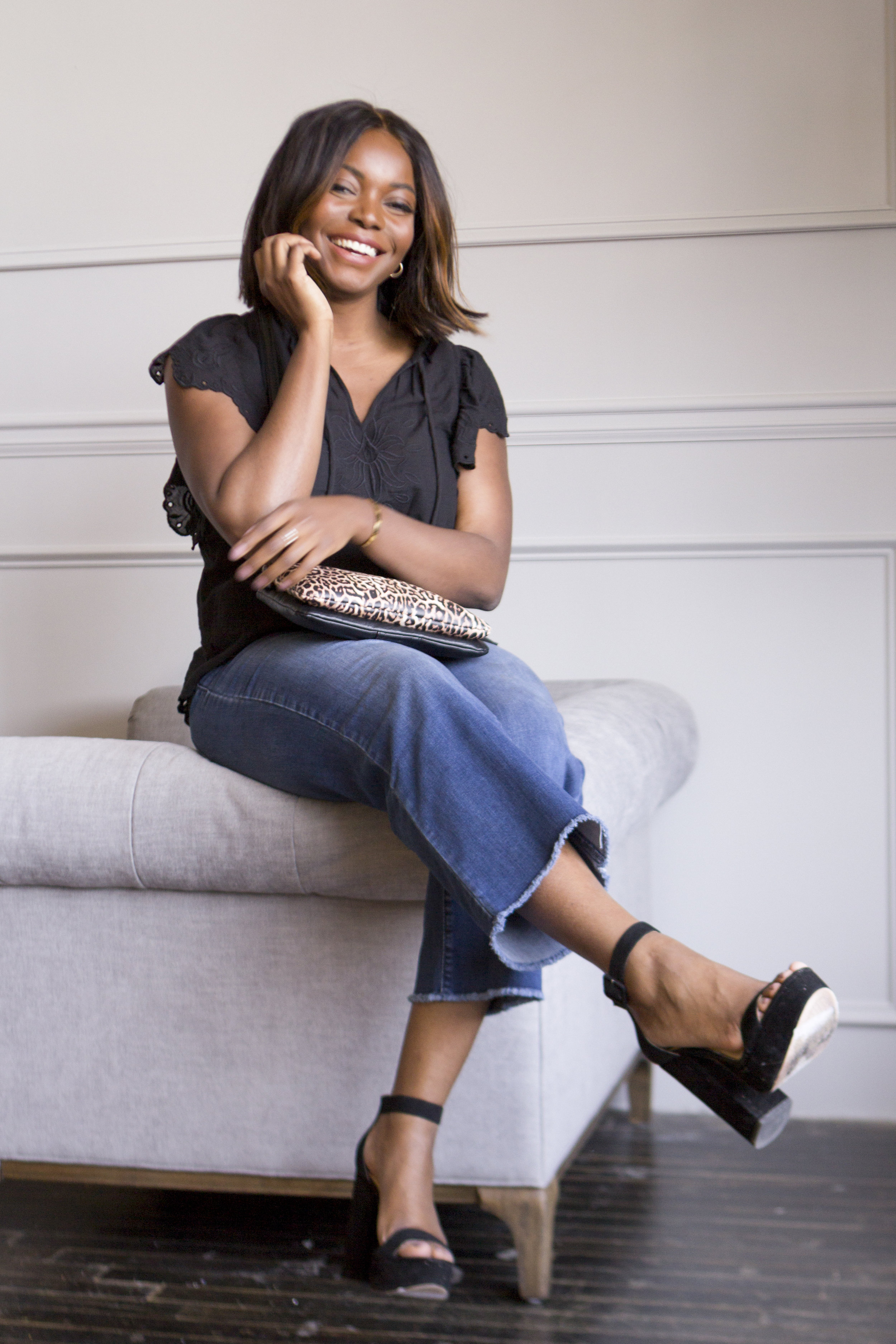

Coco Bassey’s life has been anything but typical. The Nigerian-born New York- and Atlanta-based content creator spends her days in the corporate marketing world and her nights and weekends hustling away on her fashion blog, Millennielle. As a cancer survivor who grew up in Canada, Czech Republic, Nigeria, Germany, and the USA, she’s got a world view most millennials don’t, and it shows. We partnered with Jessica Simpson to chat with Coco on her personal style and professional pursuits—check out the Q&A below!
What do you wear when you want to feel most confident (shoes included)?
Even though I love a dressed-up moment every now and then, my everyday personal style is all about comfort and elevated basics! To me, nothing beats a pair of flattering jeans and a crisp white button-up shirt, especially when worn well. I gravitate towards comfort when it comes to footwear too, my shoe collection is full of statement sneakers, flatforms and block heels!
“The only way a creative idea becomes a full-fledged reality is when you dedicate enough time to it to help it grow.”
If you could walk in someone else’s shoes for a day, who would it be?
It would easily, hands-down, be Rihanna’s.
Describe your style in 3 words.
Elevated, feminine and effortless.


You balance a job in corporate marketing with your work on Millennielle. What advice would you give to women who want to pursue a creative idea while working full-time?
Treat your creative endeavor as professionally as you do your full-time job — that means monthly planning, reporting, pitching new business… and delegating tasks that you simply cannot take on yourself. It can be really easy to get home from a full day of work and want to turn off your brain for the day, but the only way a creative idea becomes a full-fledged reality is when you dedicate enough time to it to help it grow!
Love Coco’s style? Shop her look from Jessica Simpson below, and get $10 off any purchase of $50 or more with code create10! One use per customer.
Moya Lace Trim Knit Top (similar)
MORE ON THE BLOG

How This CEO Is Saving the Planet, One Vintage Dress at a Time
“Our society needs your leadership, our community needs your representation, our economy needs your businesses.”
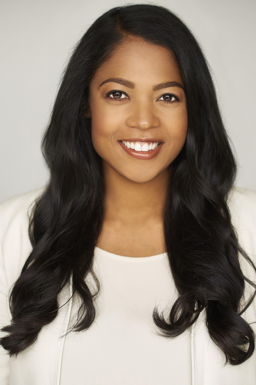
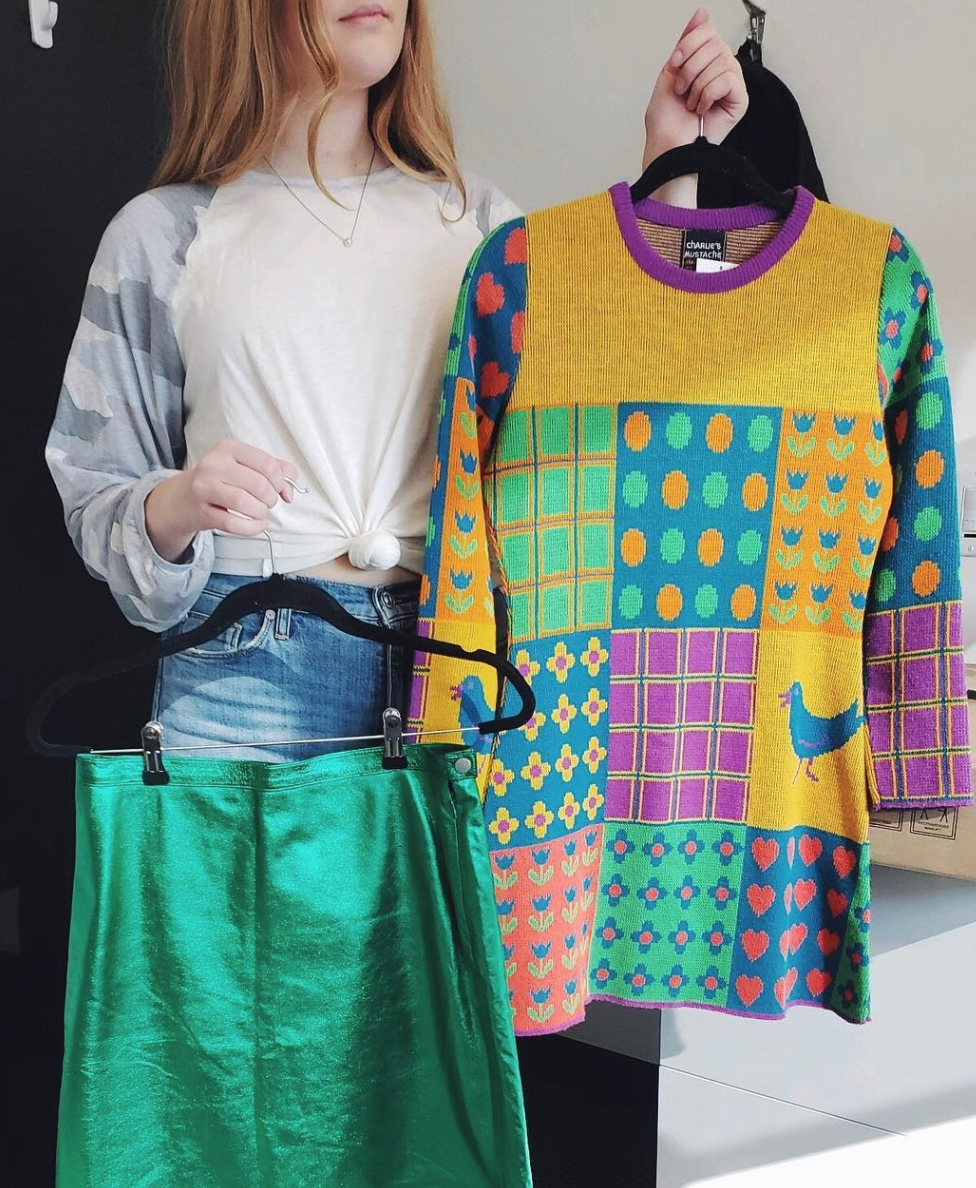
Shilla Kim-Parker wants you to save money—and the planet. That’s why she started Thrilling, an online marketplace for vintage and secondhand clothing stores. Shilla saw a disconnect between her favorite shops and the shopping method that best fits her lifestyle, so she filled the void herself.
Here, Shilla shares how she made her dream a reality, how Thrilling is working to better the planet, and the advice she has for other women of color in business.
How did you come up with the idea of Thrilling, and how did you transform that idea into a reality?
The goal of Thrilling is to make secondhand shopping more popular, modern, accessible, and most importantly - more of a habit for more people.
Secondhand shopping has always been near and dear to my heart. Not only is it a treasure hunt, but growing up in a household with limited means, it was a great way to find unique and fantastic clothes at a great value. It’s also one of the best ways to reduce your environmental impact and support local business owners. Win-win-win.
As I’ve gotten older - I’m now a working mom, with a toddler at home and a baby due in just a couple weeks - I no longer have the time to shop in this way.
Secondhand shopping is about the journey, it’s a fun afternoon or weekend activity - but I found that I no longer could dedicate the time to sift through racks. I yearned for a way to shop these stores from the palm of my hand, in the few spare moments I have between meetings or on the couch post kids’ bedtime. And that’s how the idea of Thrilling was born.
Tell us a bit about how your business model works. How does Thrilling support small businesses?
There are more secondhand stores in the US than there are Starbucks and McDonalds, combined. These stores are mostly run by women, who are typically the sole breadwinner for their families. All together they do about $15 billion in sales, but 95% of these sales are completely offline.
The thing that makes secondhand shopping so much fun - the fact that every item is unique - makes it extremely difficult for e-commerce. The amount of work involved is huge, which is why most of the current e-commerce platforms don’t work for these store owners. And yet, these store owners feel enormous pressure to go online, as relying on local foot traffic for business no longer pays the bills.
That’s where Thrilling comes in. We do all the tech and logistics for these store owners and put whatever items they want online. We create a custom page for them on our site, which they use that page as their website. Now they can finally sell to customers across the country or around the world.
What are the environmental implications of your company?
It can take up to 1,000 gallons of water to make a single item of clothing. New apparel production is a leading contributor to pollution, and Americans wear clothes on average 7 times before throwing them in the trash. Worse, clothes are not easily biodegradable.
Buying an item of clothing secondhand reduces its waste impact by nearly 75 percent. In this day and age, when the environmental issues facing our planet is an urgent crisis, shopping secondhand is a fantastic way to do our part.
“I am black, I am the daughter of a Korean immigrant, I am a mom, I am pregnant, I am mid-career. Needless to say, Silicon Valley did not know what to make of me!”
What advice do you have for other women of color looking to start businesses of their own?
I am black, I am the daughter of a Korean immigrant, I am a mom, I am pregnant, I am (was) mid-career. Needless to say, Silicon Valley did not know what to make of me!
For my fellow women of color - Perseverance! Many people will tell you “no" or “you can’t.” The standards you’ll have to meet will be higher. There are institutional barriers in place that will prevent you from getting funding as easily as others.
But keep fighting. We need you. Our society needs your leadership, our community needs your representation, our economy needs your businesses.
The real problem is that people from underrepresented backgrounds face greater risk in starting a business - usually we don’t have the same family resources, the same networks, the same access to capital others do.
So my real advice is for those in positions of power - be a part of the solution, be an agent of change. And especially help women of color in the very earliest phase of their company/idea building process.
What are you most proud of within your work at Thrilling?
Giving back is built into our ethos. And we are proud to incorporate community service and outreach whenever and wherever we can.
As an example, we are delighted to be partnering with Goodwill Southern California on “best of Goodwill” collections that will be sold exclusively on our site. The first collection goes on sale March 15th, and it is curated by Ali Mandelkorn, Janelle Monae’s genius stylist. The majority of the proceeds go towards Goodwill SoCal’s incredible workforce development programs, in particular job training and assistance for the homeless.
What’s next for Thrilling?
We have been (happily!) overwhelmed by the response and demand from local vintage and secondhand store owners, from across the states and even as far away as Japan and Sweden. So we will continue to quickly ramp up the number of store partners we work with and the number of cities that we operate in.
We are also working on some fun and innovative partnerships with artists, celebrities, and designers - stay tuned for more on that front this spring!
MORE ON THE BLOG

How This Med School Student Is Helping End Childhood Hunger
“Trust your vision and don’t let fear deter you from making an impact.”
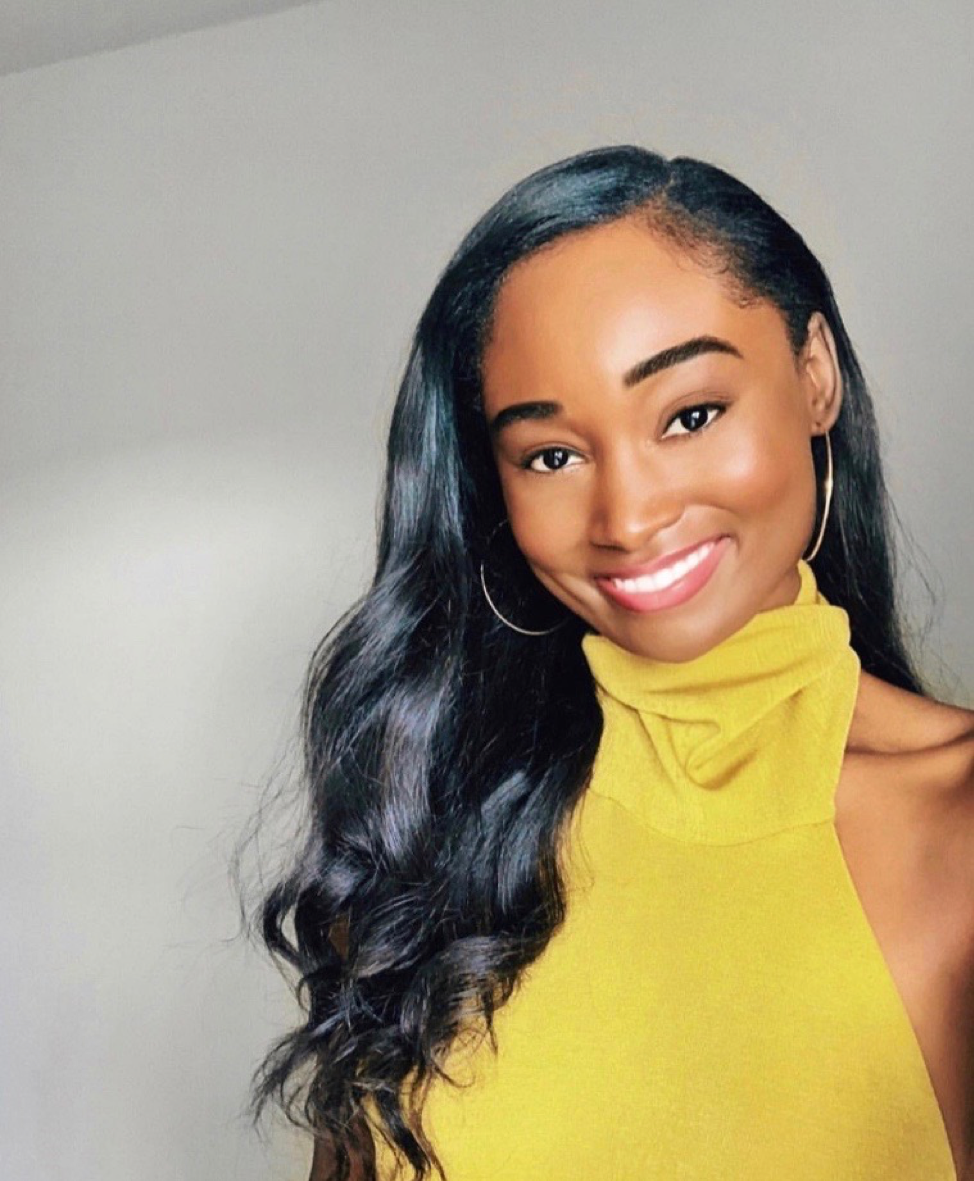
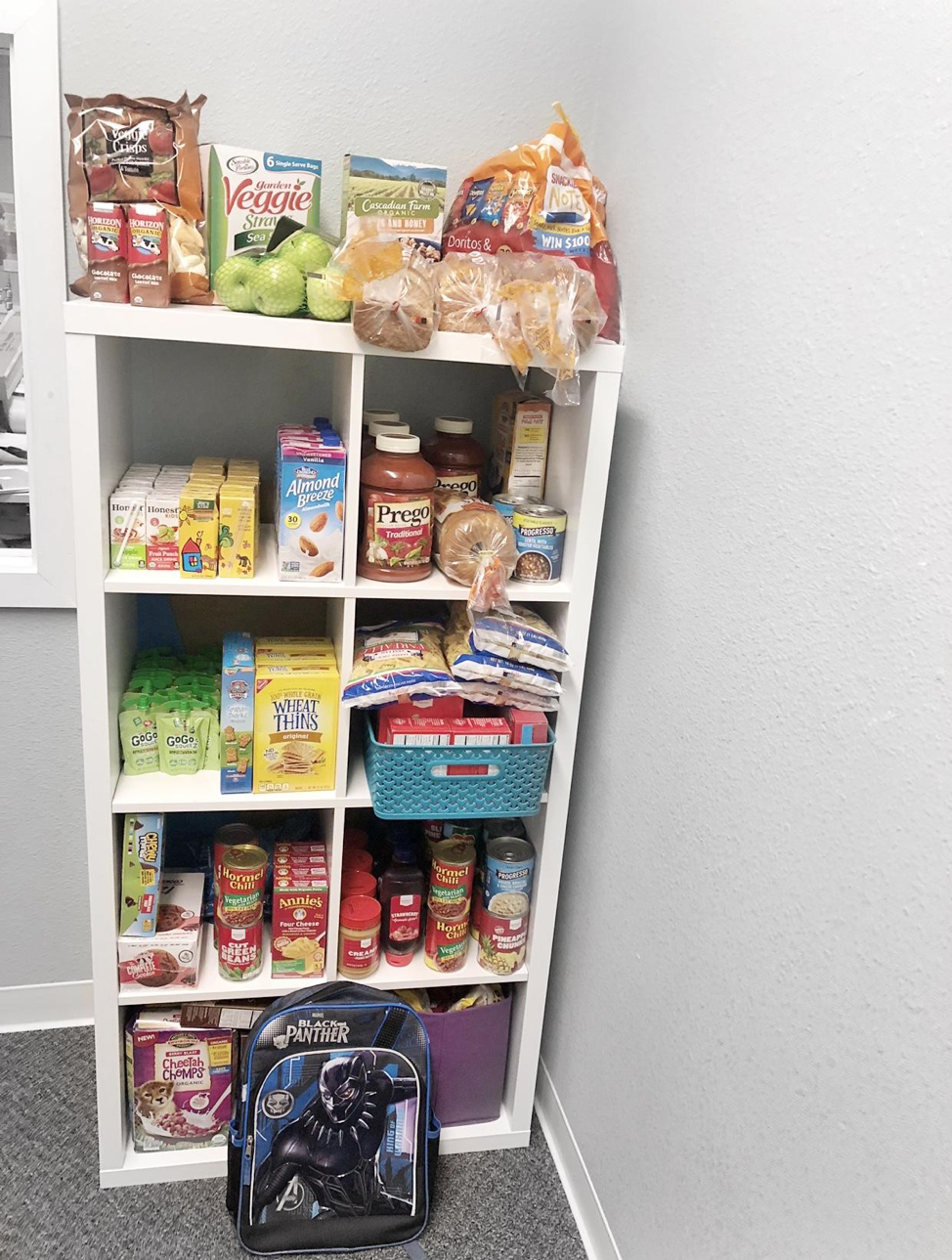
Shanay Thompson does it all: medical student, NBC contributor, former model. But she didn’t stop there. In 2017, upon realizing the prevalence of food insecurity among at-risk youth she mentored, Shanay founded Every Kid Fed, a nonprofit organization that focuses on ending childhood hunger.
Below, Shanay shares how she manages her time, what advice she has for women of color looking to start their own nonprofit, and what she wishes people knew about food insecurity.
You were a Wilhelmina model before you quit to pursue medicine. When did you realize you wanted to change careers, and how did you go about making that career shift?
When I started modeling, my intent was to do shoots here and there for fun while I was in school, until one day I started getting booked for shoots and shows that I didn’t want to pass up. Throughout college and graduate school, I would be on the plane or backstage in hair and makeup at New York Fashion Week, doing coursework, and when I got into medical school, I knew I had to make some serious adjustments. After having modeled for spectacular designers, fashion magazines, and doing pageants in between - as thrilling as it was, I wanted to do more in terms of impactful work. I knew I wanted to empower women on a larger platform and put my education to good use, so I met with my agent in 2015, and terminated my contract amicably. Modeling will always have a special place in my heart, as it was such a integral part of my life for years. I still keep in touch with friends in the modeling industry and attend shows, so I’d say it’s certainly a win-win!
How did you first come up with the idea for Every Kid Fed? How did you transform that idea into a reality?
I mentored at-risk teen girls in Berkeley, CA, where I held after-school workshops and field trips that focused on self-esteem, empowerment, and academics. I started noticing after a few years there was a substantial increase in my mentees asking to take some of the snacks I provided during our workshops home for them and their siblings, and if they could borrow money for lunch. That’s when I started asking questions. I asked counselors and teachers if they had encountered students asking them for food and they said all of the time. I even asked an elementary school cafeteria manager, and she said on multiple occasions her kindergarten students asked her for seconds and thirds during lunch because they don’t eat enough at home. Hearing that made me spring into action. Not only is the public school lunch system flawed, there’s the severe affordable housing crisis in the Bay Area, along with gentrification. Families, who have worked hard to build a comfortable life for their families in cities like Berkeley, Oakland, San Jose, etc. are now struggling financially and are at risk of being displaced or already have been. But there’s more:
Parents who struggle to make ends meet but still make slightly over the amount required to qualify for free/reduced lunch program have children who are food insecure. Those children often resort to stealing food.
Students who do qualify for the free/reduced lunch program, often get bullied, and are labeled as poor in front of their peers, so they skip eating altogether.
Students who utilize the free/reduced school lunch program still go hungry, as the meals aren’t enough to sustain them throughout the day.
With that information, I created Every Kid Fed. Each food pantry location is on campus in a discreet location for students in need. The school pantries complement the free school breakfast and lunch programs by providing access to food for all food insecure children during and after the school day has ended, on the weekends and during holiday and summer breaks. The pantries are stocked with non-perishable food and vegan/vegetarian-friendly options. I started off by using some of my funds to stock the pantries, and now we have secured partnerships with local businesses and companies to keep the pantries stocked. We now have fed over 9,000 students in need, since launching in July 2017.
““Trust your vision and don’t let fear deter you from making an impact.””
You’re in your last semester of medical school, and you were recently made a medical contributor at NBC. How do you manage your time with all of your different responsibilities?
It is truly such an exciting time for me, and life is certainly busy! I feel like I do a great job with keeping a great work/life balance and the key is organization and simplicity. Each week I make a small list of my goals in my agenda, and I keep a set schedule in the Awesome Note app of everything from my clinic schedule, business travel, meetings, events, yoga and pampering time, and more. I highly recommend that app.
What does a typical day look like for you?
6am: Yoga or pilates and while getting ready, I’ll have Project Juice delivered for breakfast and check the stock market since I have shares in few companies. I then check my schedule for the day, emails, and check in with my executive assistant Elaine regarding Every Kid Fed, then head to the hospital.
8:30am-Noon: Morning Clinic
Noon to 1:30: Lunch - I spend that time studying, replying to emails, sometimes squeeze a meeting in, or do the online food shopping for my pantry locations.
1:30-5:00: Afternoon Clinic
6:30ish: Cooking a vegetarian dinner while listening to podcasts, or going out to dinner with my love.
9pm: Catching up on health news and working on my next assignment for NBC.
10:30-11pm Bedtime!
What do you wish more people knew about child food insecurity?
The facts. Whenever I explain Every Kid Fed, I always give statistics. Currently, 1 in 4 children in California are food insecure, and 7.9 million Californians are living in poverty. Second, is the devastating ramifications that go beyond a growling stomach - hunger impedes on the ability to learn and achieve optimal physical and mental health. Low-income children are the most vulnerable especially in schools. Many of them suffer in silence, so it’s our duty to be an advocate and to make sure no child ever has to worry about where their next meal will come from, and to give parents who are struggling to feed their family a helping hand.
What advice do you have for women of color looking to start their own nonprofit?
Don’t be afraid to ask for help. As black women, we have been conditioned to jump higher, run faster, be stronger, independent and yes, we are strong, independent warriors full of black girl magic - but it is absolutely OK to ask for help. You can be great, but behind every successful person or business, there is help. I had trouble with this in the beginning, but when you decide to start a nonprofit or anything for that matter, it is 100% a collaborative effort.
How do you go about creating change in a community?
Know what you want to accomplish and be passionate about what you do. Creating change doesn’t happen overnight, so you have to be prepared for the long haul. Your conviction to the end goal is what allows it to come into being.

What’s the best piece of advice you’ve ever been given?
Trust your vision and don’t let fear deter you from making an impact.
What and/or who inspires you?
Meeting new people inspires me everyday. As a student doctor, medical journalist, and social entrepreneur, I’m constantly meeting new people and listening to their stories. It truly keeps me motivated to do everything I can to cultivate positive change and inspire the next generation.
What’s the next step for you and Every Kid Fed?
We have now transitioned into serving high poverty elementary schools exclusively, and are continuing our work to end childhood hunger by partnering with city councilmembers and the CA Department of Education to implement universal school lunch in all California schools. This will erase the stigma, peer shaming, and increase free school lunch participation. We are also launching our $10 or less meal recipe division on our website in April for parents. As for myself, I’m preparing for the launch of my new book, She Can, releasing on June 18th, graduating from medical school, starting residency, working on more exciting projects and gearing up for a much-needed vacation to Italy! If you’d like to help Every Kid Fed in any capacity, please visit everykidfed.org.
MORE ON THE BLOG
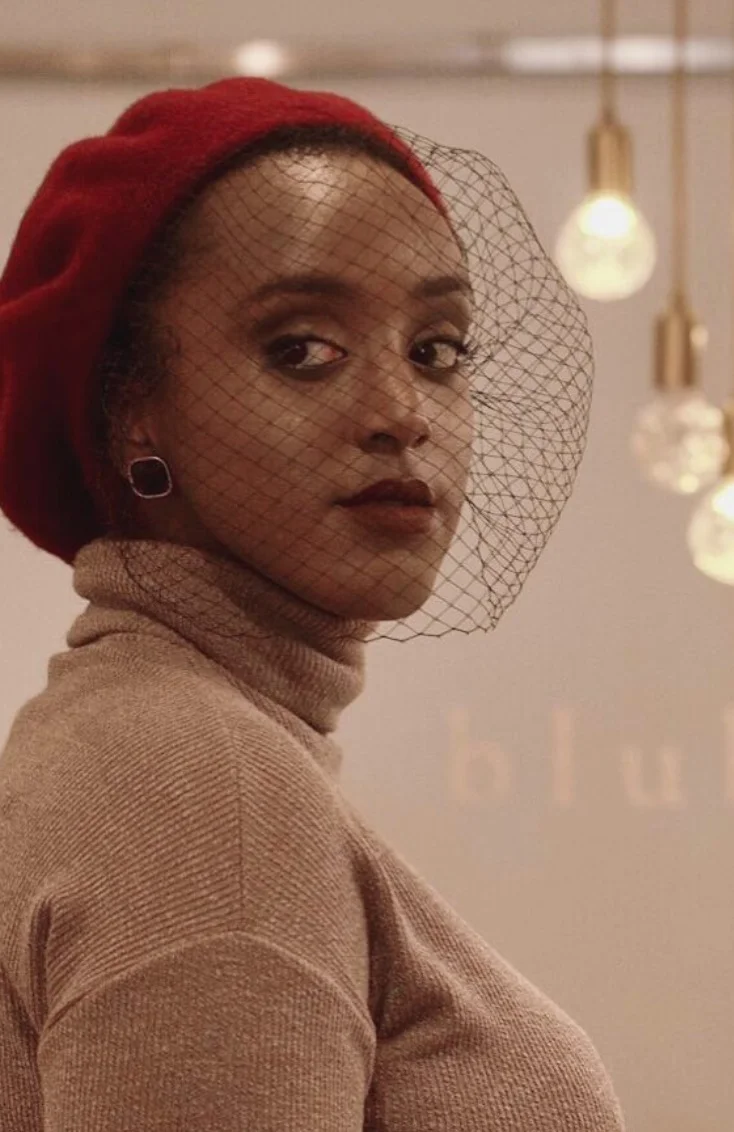
Muslim at Work: Two Women Share Their Stories
“Women of all faiths and no faith should see each other as partners.”
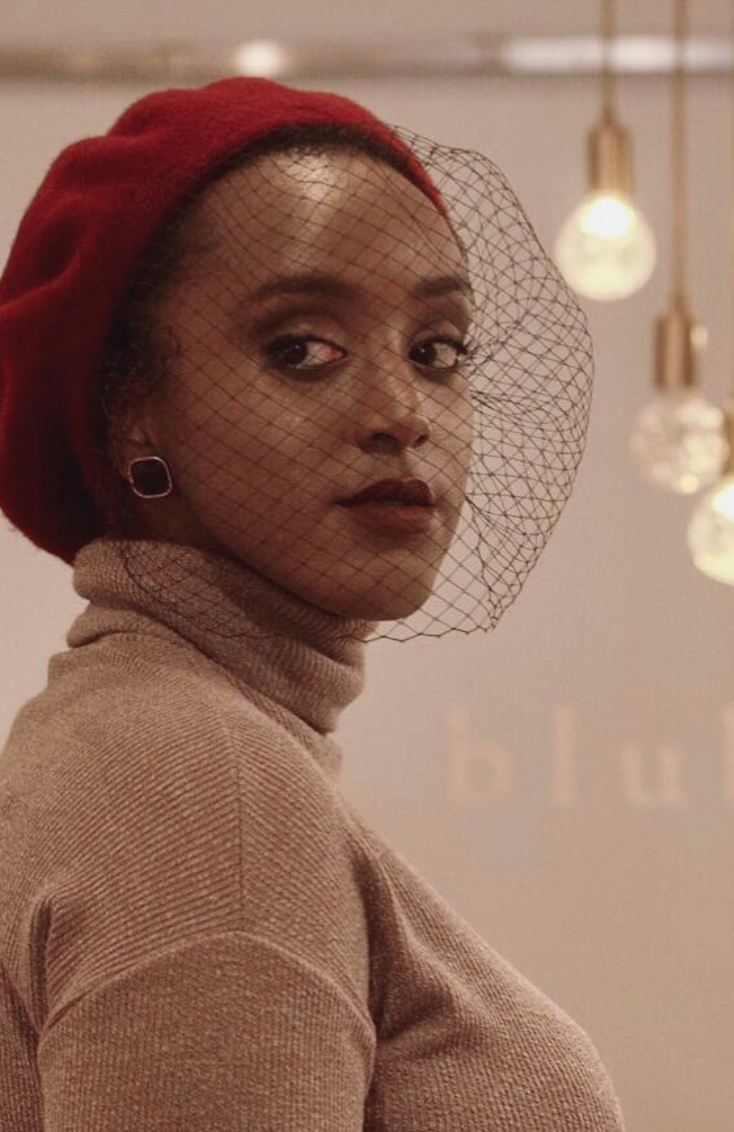
It’s #MuslimWomensDay, a day for celebrating Muslim women around the world and giving them the spotlight to share their stories. Since 2000, there has been a 50% increase of Muslim women in the workforce across the globe. But 61% of US-born Muslims say they have experienced discrimination at least once in their lifetime, and 68% of Muslim women believe the way the Media depicts Muslims is “unfair.”
Below, we spoke with Eman Idil Bare and Dalia Mogahed about their experiences being Muslim women in America, microaggressions in the workplace, and what non-Muslims can do to be better allies to the Muslim community.

Eman Idil Bare
Journalist, Fashion Designer, Law Student
What do you do for a living? Tell us about your career journey.
Haha, this question always stresses me out! I do a lot. I am a journalist first and foremost. I primarily work on longform investigative stories, but I also write a lot of fashion features for some semblance of balance.
Then I am a fashion designer. And most recently, a law student. To some people, my career journey might seem a bit...scattered. But there is a reason and a purpose, I promise! The nucleus of everything I do is social change. I went to journalism school because I did not like the way people who looked like me had their stories told. But working as a journalist showed me that the problem was much bigger than how a reporter told a story. And it seemed like the only way I could really grow my career was by selling myself as a “hijabi” reporter. Frustrated, I decided to take a break from journalism...and go to fashion school. I needed time to think my next few steps, and school was my comfort zone. And it was the best decision I ever made.
I was able to reground myself and figure out my purpose. That led me to launching my fashion line, and those experiences led me to law school. The most important lesson I have learned in my life is that nothing has to be linear.
You hired all black models for your runway debut at NYFW—and the show was amazing! Tell us about that experience.
I wanted to build my own table. I am at a point in my life where I am able to create the things that I once advocated for. I am tired of asking for inclusion from the fashion industry, or from any industry. I think that any brand that does not have employees that reflect the markets they cater to are making that decision intentionally. I did not see women who looked like me on runways as a child, so I decided to make my own brand because I deserve to be represented.
The experience was life changing. I loved seeing how happy my models were to notice that they had men and women doing their hair who actually knew how to care for black hair. It was the first time most of them walked in a show and did not feel like an afterthought. In 2019, models needing to bring their own makeup to shoots isn’t “unfortunate,” it’s racist. And we need to address it as such.
What are some of the microaggressions you’ve personally faced as a Muslim woman in the workplace?
This is an email that the communications director of a school board in Ontario sent me:

I think what a lot of people fail to understand is that my entire existence, as a black Muslim woman, threatens a lot of people’s sense of privilege. People really think that Muslim women are oppressed, or black women are inferior. Because of the nature of my work, a lot of the people I interview are men in positions of power. They aren’t use to someone who looks like me holding them accountable. And a lot of the times, they snap. This is email. And they expect me to back down. But Somali women aren’t known to be passive, and I am loyal to my roots.
Also - shout out to Terry. If you’re reading this: No, you can’t “speak to my manager.”
Do you think things are getting better or worse for Muslim women in the workplace, and what factors contribute to this?
I think we need to remember that there are different kinds of Muslim women. A lot of Muslim women are white passing. And a lot of Muslim women don’t wear hijab. So, for some Muslim women, I think their privilege allows them to benefit from their proximity to whiteness.
Black Muslim women will always carry the weight of being Muslim and Black. And yes, I think it is getting much harder for us. And I think it is the responsibility of non-black Muslim women to ensure that it gets better for all of us. Which sometimes just means reminding the world that there are Muslims who have to deal with Islamophobia, and anti-blackness.
The contributing factor? A racist President and the white supremacy that fuels him.
What can non-Muslim women do better to support their colleagues in the workplace?
Honestly, acknowledging that we are not a homogenous group. And that even though we are Muslim women, we still have individual personalities. I think that gets lost a lot. That we are our own person. “What do Muslim women need” is as difficult to answer as “what do white women need.” The most important thing anyone can do is acknowledge that.
What advice would you give to another Muslim woman who might be facing adversity in her workplace?
I think sometimes as Muslim women, or as marginalized women, we can be too forgiving. It takes zero effort to be a good person, or to treat another human being like a person. Do not blame yourself, and do not think you need to change who you are to accommodate a workplace that does not value you.

Dalia Mogahed
Director of Research
What do you do for a living? Tell us about your career journey.
I help build bridges and strong communities with research. The formal job title is “Director of Research” at The Institute for Social Policy and Understanding. I am here after my time at Gallup heading Muslim studies there. Before that I was pursuing my MBA at the University of Pittsburgh. I am grateful to be paid to do what I love.
Your TED Talk, What It’s Like To Be Muslim In America, was one of the most-watched talk of the year. Why do you think it resonated so well with its audience?
I’m really taken aback by the success of the talk and so grateful that folks find it resonates. I had hoped to reach people’s hearts with my story and weave the power of the facts about Muslim Americans into that personal narrative. I think our current political moment has a lot of people searching for that human story, and for facts to replace the fear we are fed in so much of our political discourse. I’m so grateful for the opportunity to share my story and research.
You lead research and thought leadership programs for ISPU. What are some of the most interesting or surprising findings you’ve come across in your work?
How much time do you have? Our discoveries are constantly surprising me, even though I’ve been at this for nearly two decades. We discovered for example that American Muslims are the most likely faith community to condemn violence targeting civilians, contradicting Islamophobic tropes about the community. We also found that mosques are a source of moderation, where frequent attendance is linked to greater civic engagement and service to society. We found that Muslim women surpass their male counterparts in education, and what truly oppresses them is not their faith or hijab, but Islamophobia and racism. We also found that Islamophobia is bad for everyone who cares about freedom and safety in America. The more the public is led to endorse Islamophobic tropes, the more they also support violence targeting civilians, authoritative policies and discrimination against Muslims. We also discovered that though white supremacist are responsible for the majority of American casualties at the hands of ideologically motivated violence, Muslim alleged perpetrators receive 770% more media coverage for foiled plots compared to white nationalists.

“Hijab is an issue of religious freedom and freedom of expression and the liberal position should be to defend a woman’s right to choose or not choose it.”
What are some of the microaggressions you’ve personally faced as a Muslim woman in the workplace?
I have been blessed with mostly supportive and inclusive work environments in my career. Where microaggressions come in are more often from random people in the public, or online, where I’ve endured literal campaigns of hate targeting me. In the public, microaggressions often take the form of passive aggressive “pity” for me as a hijab-wearing Muslim woman. The assumption is that some man forced me to dress this way, or that I was brainwashed or socialized into “accepting second-class status” as one woman put it. To me, assuming covering is oppressive is itself extremely misogynistic. It unconsciously is built on the idea that a woman’s power stems from her physical allure versus her intellect, and therefore by covering her physical self she is “oppressed.” Yet, when men are fully covered no one says they are oppressed. I find that extremely problematic. I of course know that some women are forced to wear hijab, and that hijab is sometimes politicized, and this is absolutely wrong. But just because something is sometimes forced on women doesn’t make it inherently oppressive even when freely chosen.
Imagine applying this logic to sex. Women are sexually assaulted in staggering numbers all over the world. Human trafficking is a global industry of billions of dollars. Rape is a weapon of war. But this does not make sex inherently oppressive to women when freely chosen. Imagine a campaign to ban women from having sex in order to “liberate” them? It would sound absolutely ludicrous to most people and banning hijab to liberate Muslim women should sound equally ludicrous. According to ISPU research the vast majority of American women who are Muslim and wear hijab chose to do so. The majority say it is an act of religious devotion or an expression of identity. Hijab is an issue of religious freedom and freedom of expression and the liberal position should be to defend a woman’s right to choose or not choose it.
Do you think things are getting better or worse for Muslim women in the workplace, and what factors contribute to this?
As a cautious optimist, I think things are getting better. I say that because we now have a language for calling for equality. We have laws and precedents to respond to discrimination. We have growing public awareness of the reality of anti-Muslim discrimination, and this wasn’t the case even 10 years ago.
What can non-Muslim women do better to support their colleagues in the workplace?
Women of all faiths and no faith should see each other as partners. This means listening, getting to know each other as people, bragging about each other’s work, and amplifying each other’s ideas. It also means interrogating our unintended biases and asking sincere questions rather than assuming.
What advice would you give to another Muslim woman who might be facing adversity in her workplace?
I actually get this question on a very regular basis, sadly. My advice is never ever assume the whole world is against you. Look for allies, don’t isolate yourself or believe the hate is the majority, because we know it’s not from rigorous research. Most Americans want to live in a country where no one is targeted for their religious background. If the issue is a legal one, don’t be afraid to take legal means to address it if all other attempts at addressing it out of court have failed. The most important thing is to surround yourself with people who love you and who support you. Take care of yourself emotionally and spiritually. Don’t let hostile people penetrate your heart.
MORE ON THE BLOG