
3 Things That Are Holding You Back at Work
“If you’re not going to kick ass at work, what’s the point of spending all your time there?!”

Photo: Bru Santos for Pexels
Most of us spend half of our waking hours at work, five days a week—sometimes more! According to a recent study, the average full-time employee works 47 hours a week (yes, that’s 7 hours more than the standard 40). It’s no wonder so many of us name work as the most stressful aspect of our lives.
The good news is that with a few tweaks to your environment and brain, you can increase your productivity, decrease your stress, and advance faster than you’d expect. Based on cognitive science from a feminist POV, here are the top three ways you’re holding yourself back at work—and three solutions to start implementing today.
1. You’re underselling yourself—to your colleagues and yourself.
Imposter syndrome is no joke (even Martha Stewart isn’t immune to it). It’s also not an accident.
Women are socialized to constantly doubt themselves, underestimate their abilities, and believe that others are more qualified and talented than they are. Studies show that when women are primed with stereotypes about their abilities, they perform more poorly on cognitive and skill-based tests.
The insidious thing about this socialization is that it gets absorbed into your brain and then floats up into your consciousness as if it’s your own thoughts. So you don’t think, “Women aren’t good at project management, so I must be bad at my job.” Instead you think things like, “I’m not as organized as I should be and don’t think I’m doing a good job.” You think that because the thought came into your brain, it must be true.
Once you have that belief, your brain is constantly looking for evidence to justify it—which means you don’t show up as a confident badass who’s happy to take credit for her work, promote herself, and volunteer for new responsibilities. If you’re not going to kick ass at work, what’s the point of spending all your time there?!
The cure for imposter syndrome is to learn how to notice, evaluate, and change your negative thoughts about yourself.
2. You aren’t using your calendar correctly.
What’s on your calendar? Personal appointments, holidays, birthdays? Some of you are feeling advanced because you have work deadlines on there, too, and think that’s what I’m going to recommend.
NOPE.
Here’s how you should be using your calendar: schedule out every bit of work you have to do, from now until forever.
Did you just pass out? It’s OK, get the smelling salts. I’ll wait.
Here’s what I’ve discovered from coaching hundreds of high-powered women of all professions: 99.9% of us have no idea how we spend our time.
Knowing how much time you have and what you’re using it on is crucial for two reasons:
First, it helps your brain relax. When you just have a long to-do list and some deadlines on your calendar, what your brain thinks is, “I have a lot to do, and I don’t know when I’m going to do it.” That thought is stressful. So your brain keeps thinking that over and over and never gets an answer.
Second, it’s miraculously the cure for both doing too little and trying to do too much. When you block out the time you’re going to spend on every element of your work, you’ll quickly learn when you’re wasting time on social media, gossiping, or napping under your desk. You’ll also learn when you’re setting unrealistic deadlines and goals. Calendaring is where the delusions of perfectionism and the “I’m too busy” lie run into a concrete picture of reality. Want more info? I have a podcast about my organizational system you can find here.
3. You think multitasking is a thing. (Alternative: your phone is running your life.)
Do you take pride in being a great multitasker? Here’s the truth: You’re taking pride in not really ever getting anything done. Multitasking is a myth. It’s your brain’s way of distracting itself on the regular. Studies show “multitasking” makes your short-term memory worse, makes you less productive, and causes more mistakes. Imagine you’re trying to find a path through a forest, but you kept blacking out every three minutes and coming back into consciousness three minutes later. Do you think you’d get through that forest as quickly as if you were conscious and working on getting out the whole time?
The number one multitasking enabler right now is electronic notifications. Imagine trying to get something done while a toddler pokes you every 45 seconds yelling, “PAY ATTENTION TO ME.” That’s what’s happening when you have your email, Slack, text messages, Instagram, Facebook, Twitter, and Snapchat all pinging away at you on your computer and phone all the time. It’s impossible to focus when you’re giving yourself constant stimulation and reasons to look at a different part of your device.
The solution is simple to explain but challenging to do: TURN THAT SH*T OFF. Remember in #2 when we decided to schedule out work? That should include scheduling time for Slack, email, and social media. Even if you work in a fast-paced comms-driven environment, you truly can go 15 minutes without checking your devices. Start there. Close out every notification on your computer, mute your phone, and work on one thing at a time for 15 minutes. Then check all your notifications for 15 minutes, then back to working on one thing. Slowly increase the periods you’re able to focus working, and decrease the frequency of notification checking until you’re actually making progress on your real work. Don’t believe your brain when it tells you it’s part of your job to check your email every 30 seconds. Your brain is a dopamine addict, and notifications are its drug of choice. Like any addiction, it’s uncomfortable to go through withdrawal, but you’ll be amazed at how much your life improves on the other side!
This story was originally published on April 6, 2019, and has since been updated.

About the author: Kara Loewentheil is a Certified Master Coach, speaker, and author who left a career defending women’s rights in the courtroom to empower women where it all starts: In their own minds. Using cognitive science and a feminist perspective, she teaches women how to literally rewire their brains to get patriarchy out and self-confidence in. Her podcast, UnF*ck Your Brain, has been downloaded 3 million times and teaches concrete brain-change strategies to women all over the world.
MORE ON THE BLOG






6 Questions You Should Ask When Your Dream Job Turns Into a Total Nightmare
Don't give up your swivel chair just yet.

Photo: Smith House Photo
You worked hard to get this job. You scored a meeting, nailed the interview, and landed yourself in a seat you've been dreaming about since graduation. But then something horrible happened: you realized that the inner workings of the company didn't line up with your expectations. Or you've encountered a workplace foe. Or maybe you and your boss, not matter how well you initially hit it off, are forever at odds.
The problem with dream jobs turning sour is that we tend to hold on to them because of how sought-after the positions are. But surely you've heard the saying one man's trash is another's treasure. This job might be the bees knees for someone else and the wrong hive for you. However, before you bounce, ask and answer these six questions honestly.
Are Your Expectations Too High?
The small prob with "dream" anything, is that there's always an underside. The dream hangover, if you will. No job is perfect, and if the expectation was that it would be, you need to check your battery and your priorities.
No job is brunch and selfies and fashion! all the time, and if you were expecting a front-row seat to fun and fancy-freebies, remember that late nights, tough moments, doing it wrong and getting called out for it, are all part of the dream.
Are You Part of the Problem?
This is hard for most people to answer, because it's impossible to see the tornado's destruction when you're swirling around inside of it. But if you and a co-worker are really butting heads and leaving a trail, paper or otherwise, of destruction in your wake, there's a good chance it's not only on her. Sit yourself down and give yourself a proper pep talk about relationships in the workplace, and your hand in the issue.
If you are truly attempting to make an impossible situation work, and it's really not panning out (and driving you to tears on the way home) it might be time to walk away.
Were You Hand Held at Your Past Job?
Maybe you've been thrown in with the sharks and you weren't ready for it. Dream jobs are typically highly competitive, hard knock environments, and you need to be able to hold your own—not someone else's hand.
This has a bit to do with expectation as well. If your former employers weren't as "tough," because they gave you outs, or let you go home early, or didn't expect more, it's time to try harder.
In short, you need to kill it, and kill it every day. If you are unhappy because you're in over your head, swim UP. No matter how strong the current, you can be stronger, and that just might shift your nightmare back into a dream.
It's foolish to think the "dream" will be simple.
Do You Feel Undervalued? Maybe You Are. But Have You Done Anything About It?
Are you feeling frustrated because you ARE KILLING IT, and no one's noticing? First, realize that to make a company run well and effectively, everyone is going above and beyond; you're not the only one. You are supposed to be doing everything. (Or everything you can to be the best at your job.) If you're expecting heaps of praise, re-read question #1.
But if you're truly feeling undervalued and as a result are considering bouncing, ask for a meeting with your supervisor and express your frustrations. If you're bottling everything up, you may end up blowing what really is a dream. Have the convo before you opt out of a great opportunity.
Are You Just Being Sensitive?
Controversial word, sensitive. It implies that you're too emotional, and emotional in the workplace is usually directed at women. So how does one determine whether if they need a thicker skin, or it really is the job? One, no job should come at the expense of your health or well-being.
However, if you're crying at work, before you give up, run what you're feeling by someone else who can be objective (i.e. don't take this to your boss). Ask your business bestie's (if you don't have one, find one) advice, and actually listen to their input. If they say you're overreacting, take their word for it and give your dream job another shot.
Like any relationship, a healthy work relationship won't be perfect all the time.
Are You Unable to Read Your Boss' Mind?
BIG problem. As an employee you should be a psychic and ten steps ahead of your boss all the time. JK BABES. But part of being a good employee, and therefore a happy one, is anticipating what your boss wants. If you aren't great at doing so, find out how to get on your boss' good side.
This post was published on March 8, 2019, and has since been updated.

Can You Afford to Take an Entry-Level Salary?
But seriously, how low should you go?

Photo: Polina Zimmerman for Pexels
When it’s your first job offer, salary negotiation might not be the first thing on your mind—and you’re not alone. In fact, just 38% of recent college graduates negotiate with their employer upon receiving a job offer, despite the fact that three-quarters of employers saying they typically have room to increase their first salary offer by 5 to 10%, according to a study by the personal finance site NerdWallet.
Of course, when it comes to negotiating salary, there is no one right solution for everyone, and in this case, the answer depends on which of two major career groups you fall into—people starting out at the bottom and working their way up in their career and people starting at a higher level or specialized position and working up from there. Regardless of where you start, determining your entry-level salary requirements is a must!
Scroll on to find out if you can afford to take an entry-level salary and what that number should mean to you.
People Starting at the Bottom and Working Their Way Up in Their Careers
In many industries, you’ll find yourself starting at the very bottom working your way up the ladder of authority. Such industries include marketing, design, and some forms of IT (among many others). In these industries, people often start as an intern, assistant, or in admin which are known for lower pay grades.
If you are starting out with a low authority or unspecialized job, your first salary isn’t very important because you will most likely move on (and up) from there, however, you do need to see how low you can go to still be able to live within your means. Salary negotiation here means figuring out what you need to survive while you find your way.
Determining How Low of a Salary You Can Afford to Take at Your First Job
Map Out How Much Money You Spend: If you’re new at creating a budget, there are a lot of great apps such as Mint that let you input your information so you can see your total spending. This app will also give you tips and notifications to make sure you’re on top of your finances.
Determine How Much You Want to Save: Once you’ve determined how much you spend, you can then determine how much you want to save. Mint can help you do that, or you can always set up an appointment with a financial advisor at your bank. Consultations and advice are usually free of charge, so this is a great option if you want to speak with someone face to face when discussing your finances.
Determine What the Average Salary Is for Your Job and Region: It is important to be aware of the average salary for your position based on location in order to ensure you are not being underpaid or taken advantage of. A great tool for this is the Bureau of Labor Statistics where you can see average wage data based on job, state, and metropolitan area. While your first salary may not be very important in determining your salary throughout your career, it is important to make sure you are being fairly compensated for your time and effort.
Consider All of the Numbers: Once you’ve done the three steps above, you can now consider all of the numbers to determine the realistic lowest salary you can accept. While experience is important, the bottom line is that you need to be able to pay your bills. If you need to cut back here and there, (i.e. take public transportation instead of Uber, or start packing your lunches) so be it, but you must be able to afford necessities such as food, housing, and medical expenses with a little extra to spare in case of emergency.
The most important aspect of your first job is to gain necessary industry experience (and "get your foot in the door), but make sure you accept a salary that is realistic for you—one that you can survive on. Companies are often open to negotiation, so don’t feel pressure to take the first number offered to you. No one started out as a marketing exec or magazine editor without doing a lot of grunt work prior to it, so no one will expect you to be the highest-paid person in the company when you’re first starting out.
“No one started out as a marketing exec or magazine editor without doing a lot of grunt work.”
People Starting Out With Specialized Skills and/or Training
On the opposite end of the spectrum, there are a lot of people who go into a specialized career, or one that requires extra schooling, (i.e. the medical field, engineering, coding/programming, etc.). People with postgraduate degrees often start out with a relatively high level of authority, meaning that you couldn’t just jump into the position and learn as you go. You need to know what you’re doing and have specialized training or education in order to be in that role.
For these kinds of jobs, your first salary does matter. The reason behind this is that you are coming in at a higher level than other people, therefore you have less room to grow. Think of it this way: If you start out as an administrative assistant but work your way up to an executive or CEO, you’ve basically gone from zero to one hundred. However, if you start off as a doctor, engineer, or manager, you really can only become more experienced in your role and be given more authority, so instead of going from zero to one hundred in your career, you’re starting off at sixty-five or seventy and moving up to one hundred.
Because there is less growth in specialized careers, your first salary sets the tone for all the jobs to come. Companies often ask what your previous salary is so that they can give you a proportional salary increase, and sometimes save themselves a little bit of money. In a specialized career, your first salary does matter, but if you do find yourself underpaid and overachieving, there is a way to remedy the situation. It all comes down to knowledge and confidence.
How to Negotiate Salary If You’ve Been Underpaid
This actually goes for both specialized and unspecialized positions: let’s say you find yourself severely underpaid based on statistics and your accomplishments. When you go to interview for other positions, make sure you are armed with facts and evidence to support your desired pay increase.
A great way to explain your situation to an interviewer is as follows:
“I am aware that I am being underpaid at my current job, however, I have learned x, y, and z from this experience/job, and based on information posted by The Bureau of Labor Statistics, the average pay for this position in this area is x. Due to my accomplishments of a and b, I’m aiming for a salary of $x.”
If you give a statement like this, you will come off as knowledgeable, confident, and motivated. Having evidence of your achievements and statistics will also make you appear researched and show interviewers that you have put effort into getting fairly compensated.
The Salary Requirements Checklist
If you’re sitting there wondering, “How important is my first salary?,” think about the many different factors that go into it. Make a checklist and answer the following questions:
Is your position specialized/did you need special training to qualify for the position?
If you’re not in a specialized position, is there room for growth in your career?
How much money do you need to make to pay off your current expenses?
How much money do you want to be able to save each month/year?
How much money does the average person in your job/region make? (consult the Bureau of Labor Statistics)
Are you willing to take a lower salary (that’s still realistic) to take a job that you love or one that will provide you a lot of experience?
And, if so, are there areas that you can cut back on your spending in order to accommodate for this?
If you’re already past the point of a low first salary, do your research, itemize your accomplishments, and show people why you deserve the higher pay!
The original version of this article appeared on Career Contessa, written by Michele Lando.
This post was originally published on September 18, 2016, and has since been updated.
MORE FROM OUR BLOG

Soft Is Strong: How Taking a Softer Approach Can Have a Powerful Impact on Your Career
NIVEA is leading the charge in challenging the “soft” stereotype.
This post is in paid partnership with Nivea.

Being soft gets a bad rap and is all too often associated with being weak, especially in the workplace. In fact, according to a recent survey conducted by NIVEA, 59% of people view "being soft" as a negative and 49% of people define the word "soft" as being "weak." That’s why NIVEA—a brand that’s been dedicated to giving us all soft, beautifully nourished skin for over 100 years—is on a mission to challenge this negative perception of 'being soft' with their #RethinkSoft campaign. That’s right, in partnership with Kindness.org, NIVEA is destigmatizing softness.
At our annual LA 2020 conference, we sat down with successful women who, like NIVEA, are challenging the negative perception of soft and celebrating its power. During the Soft Is Strong panel powered by NIVEA, our founder, Jaclyn Johnson, chatted with Noor Tagouri, renowned journalist, activist, and motivational speaker, Jaclyn Lindsey, co-founder and CEO of Kindness.org, Adrienne Bosh, activist, CEO, entrepreneur, and philanthropist, and Gina Ybarra, creator of Hunt for Styles, about how softness has had positive, long-lasting impacts on their careers.
Spoiler alert: The conversation was just as enlightening as it was entertaining, so be sure to scroll on for all the most memorable moments from the conversation. Trust us, you’re going to want to commit these mic-drop quotes to memory.

Soft Is Strong: How Taking a Softer Approach Can Be Positive and Have a Powerful Impact on Your Career—Powered by Nivea
Panelists:
Noor Tagouri | Rethink Soft Storyteller, Journalist, Touring Speaker and Entrepreneur
Jaclyn Lindsey | Co-Founder & CEO, Kindness.org
Adrienne Bosh | CEO, Activist, Philanthropist, & Entrepreneur
Gina Ybarra | Content Creator, Hunt for Styles
Moderator:
Jaclyn Johnson | Founder & CEO, Create & Cultivate
On leading with kindness…
“When you are leading in a kind capacity, you are more respected. There is an effect on employee engagement and wellbeing when you lead with kindness.” - Jaclyn Lindsey
On positivity on social media…
“I like to share positivity and good energy because I believe it comes back to us.” - Adrienne Bosh
On navigating negativity on social media…
“I see the negative comments as a positive thing.” - Gina Ybarra
“It’s about understanding that there is another person on the other end of the screen.” - Noor Tagouri
“We have to learn how to lean into compassion.” - Noor Tagouri

On not letting negativity in…
“What people say about you is none of your business.” - Noor Tagouri
“Our opinions do not define other people.” - Noor Tagouri
On being vulnerable on social media…
“I like to share vulnerable, tough moments because I think, to inspire people, they need to be able to see themselves in your pain to see themselves in your success.” - Adrienne Bosh
On taking a soft approach in the boardroom…
“I’ve had to let many people go over my career. I was encouraged to show no compassion. It was awful for me. I told my HR department that I won’t do this anymore, and I need to do this with softness and compassion.” - Jaclyn Lindsey
On strength…
“Use what makes you vulnerable as your strength” - Noor Tagouri

On a strength that’s seen as a weakness…
“I am extremely patient and my blood runs slow. People think it's a bad thing, but I just try to think before I talk so I don’t hurt anyone.” - Gina Ybarra
On the power of storytelling…
“Different people see themselves in my story, and I am able to soften their hearts by being myself” - Noor Tagouri
On adding softness to the world...
“We have to frame softness into an image of strength.” - Noor Tagouri
Learn more about the Nivea Rethink Soft campaign and shop their popular product categories across Nivea Body Care, Creme, Lip, and Body Wash products.
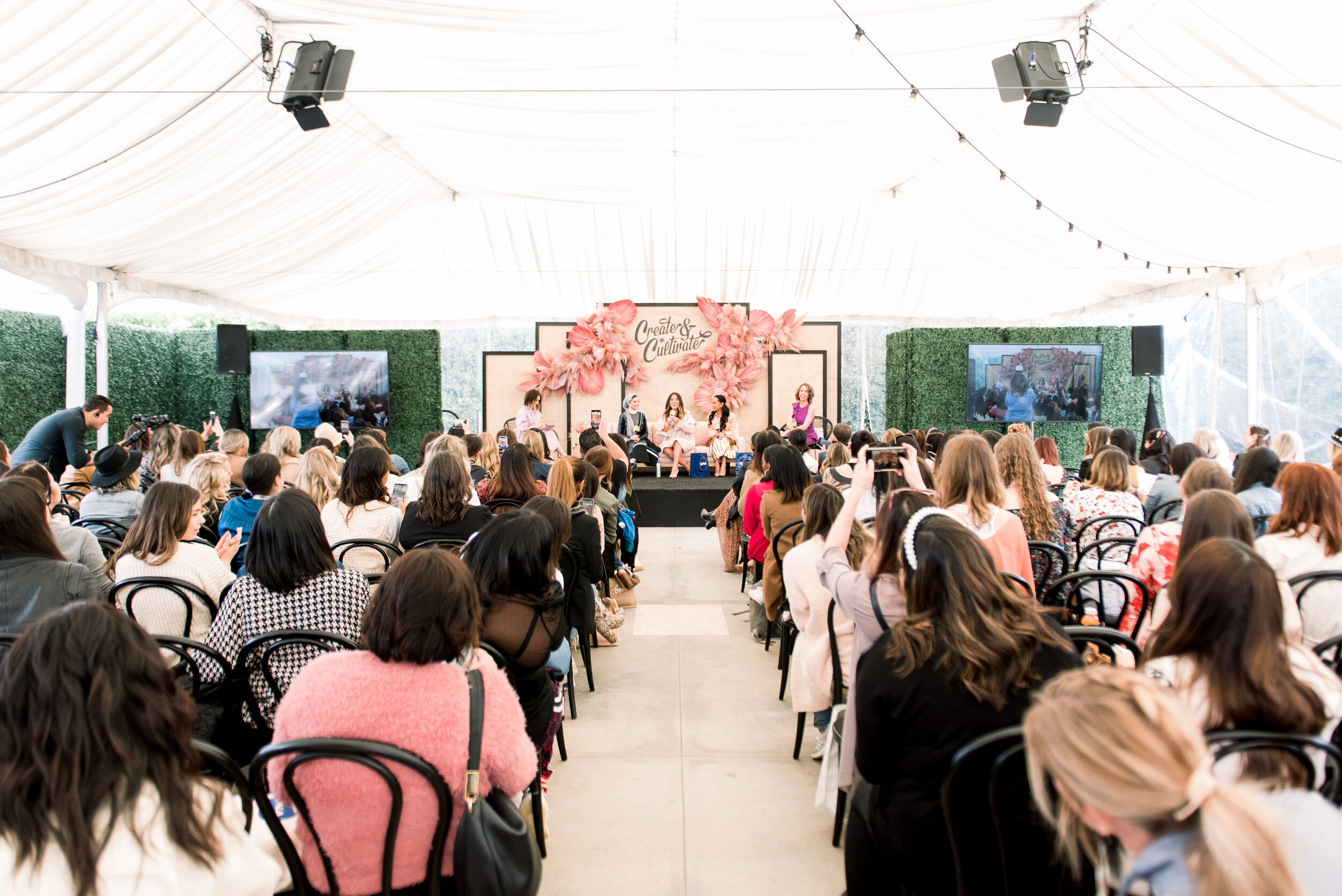

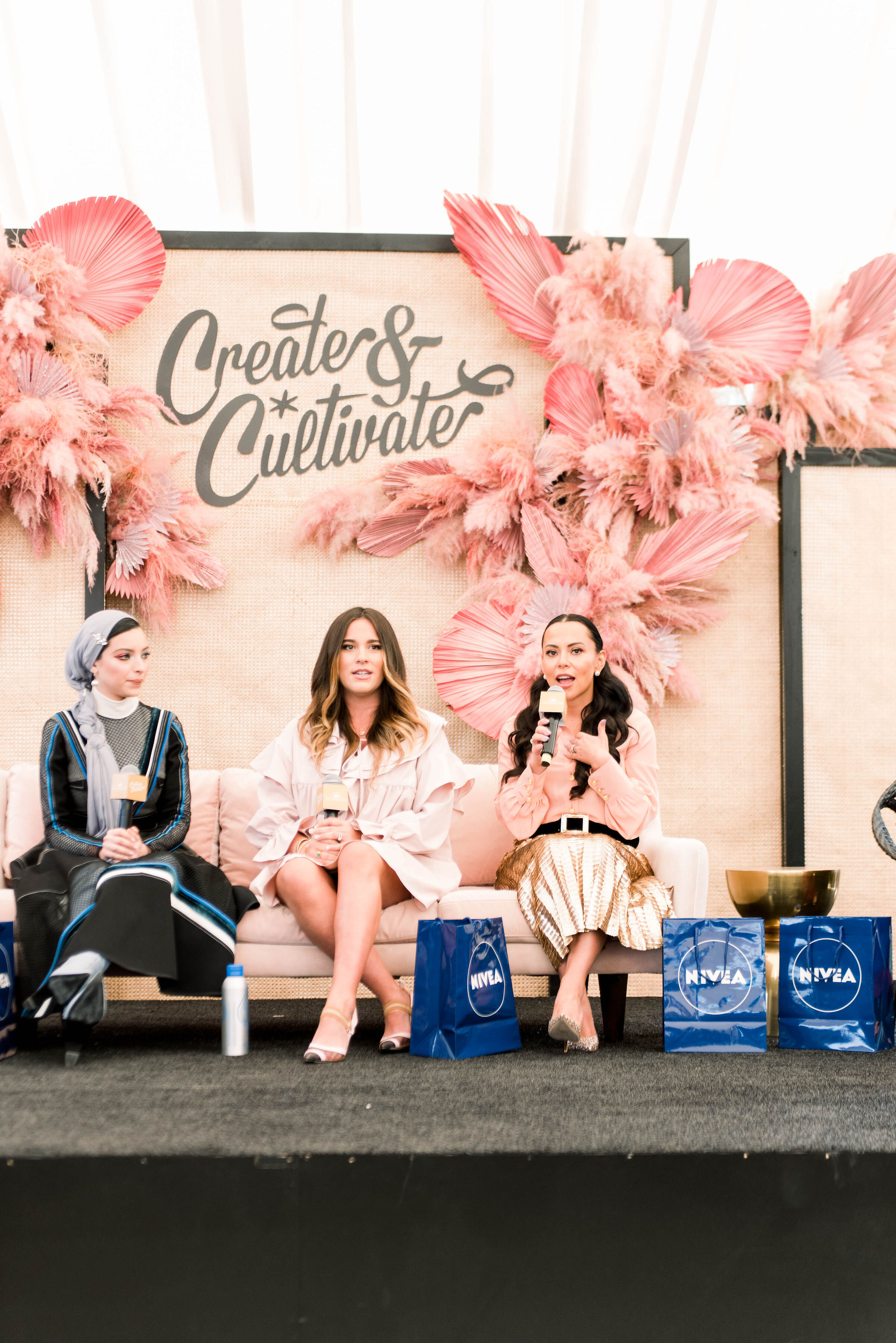
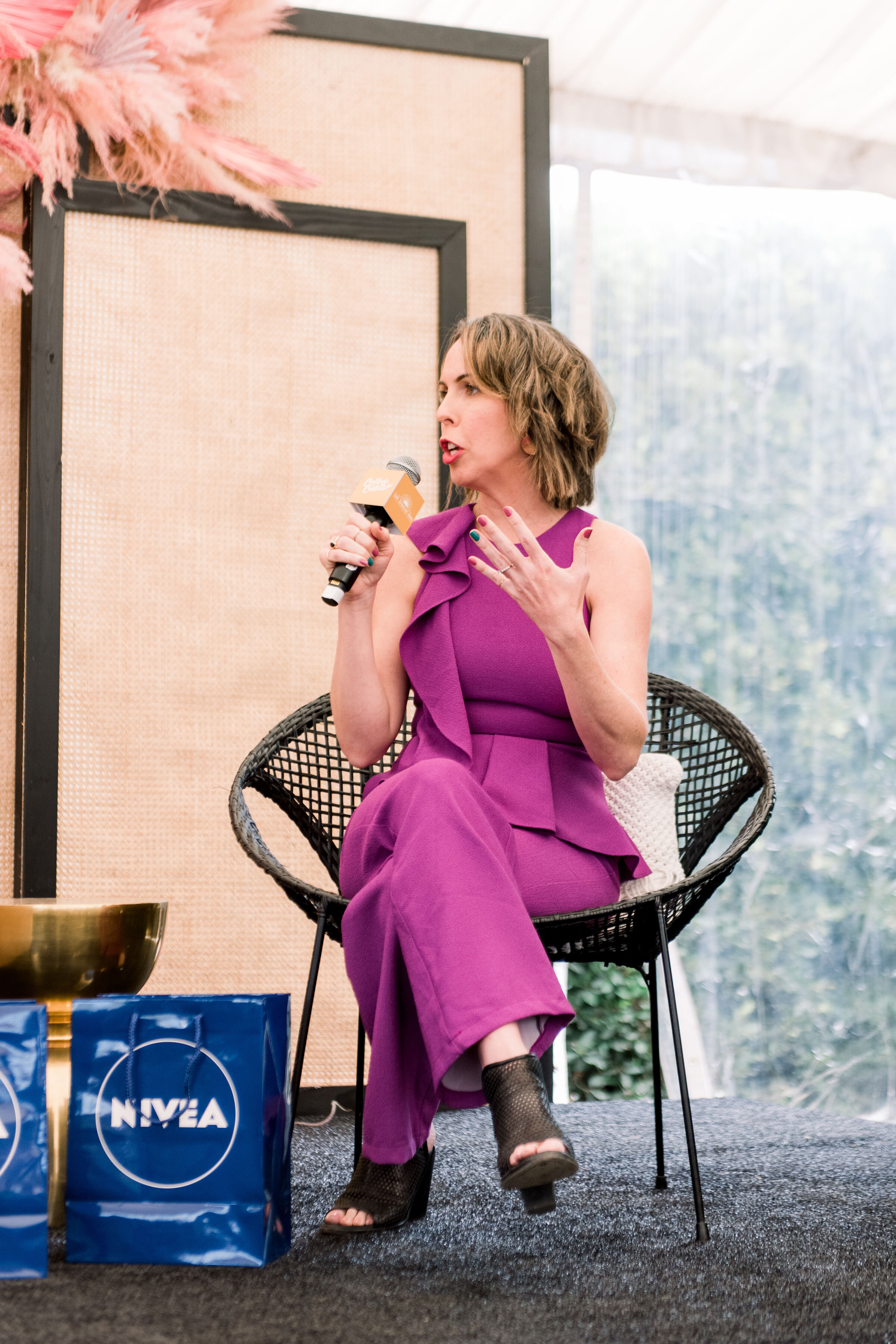
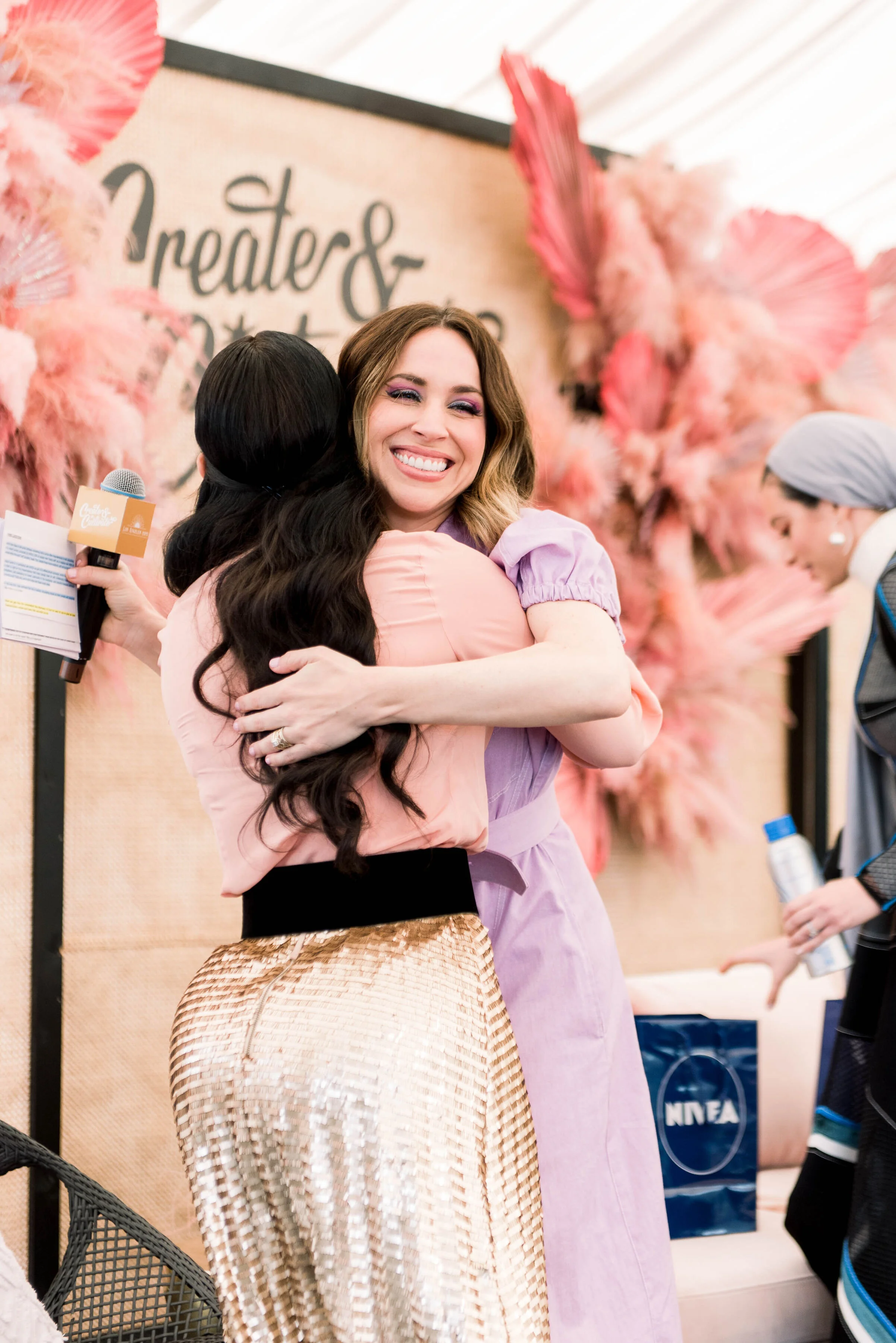

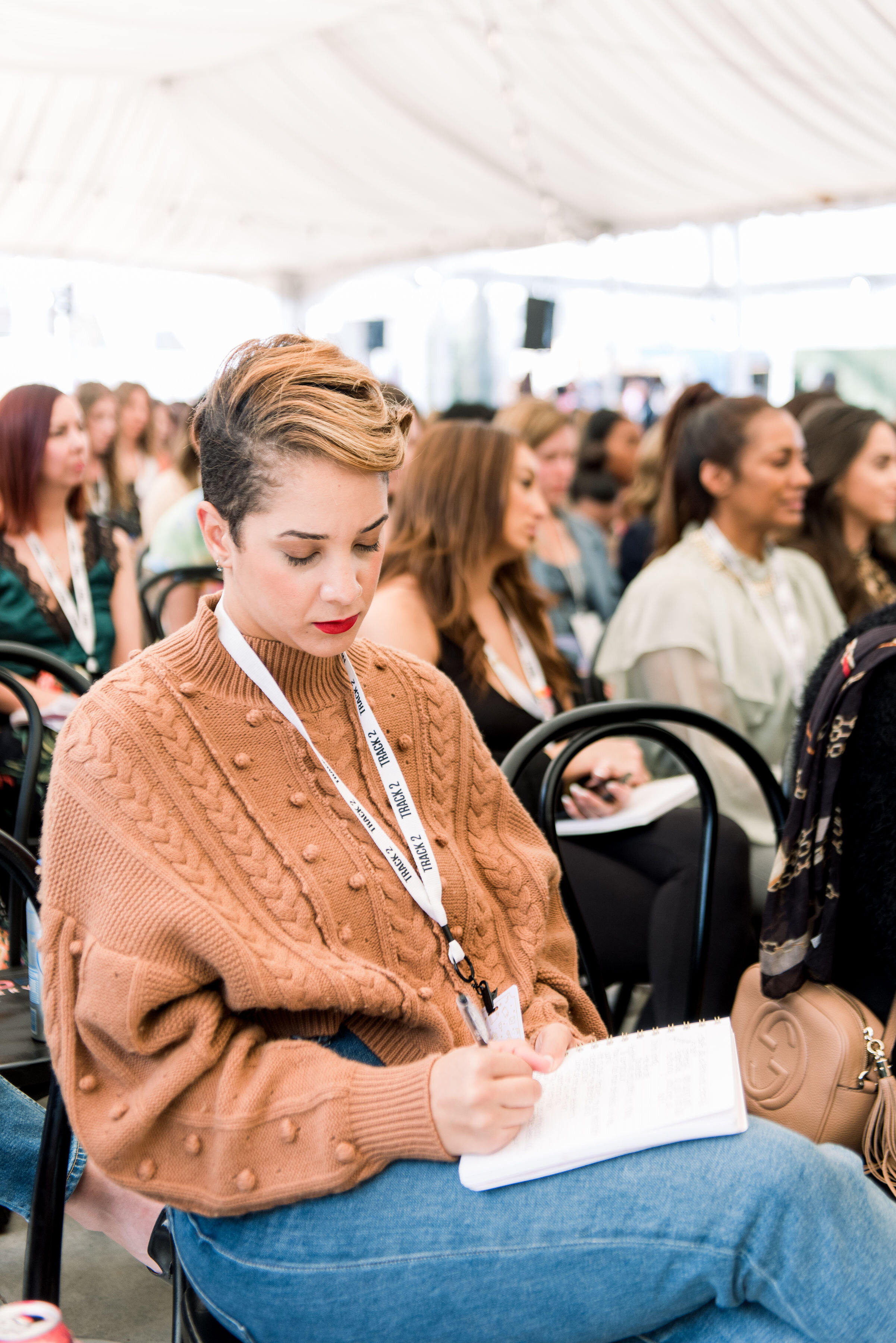
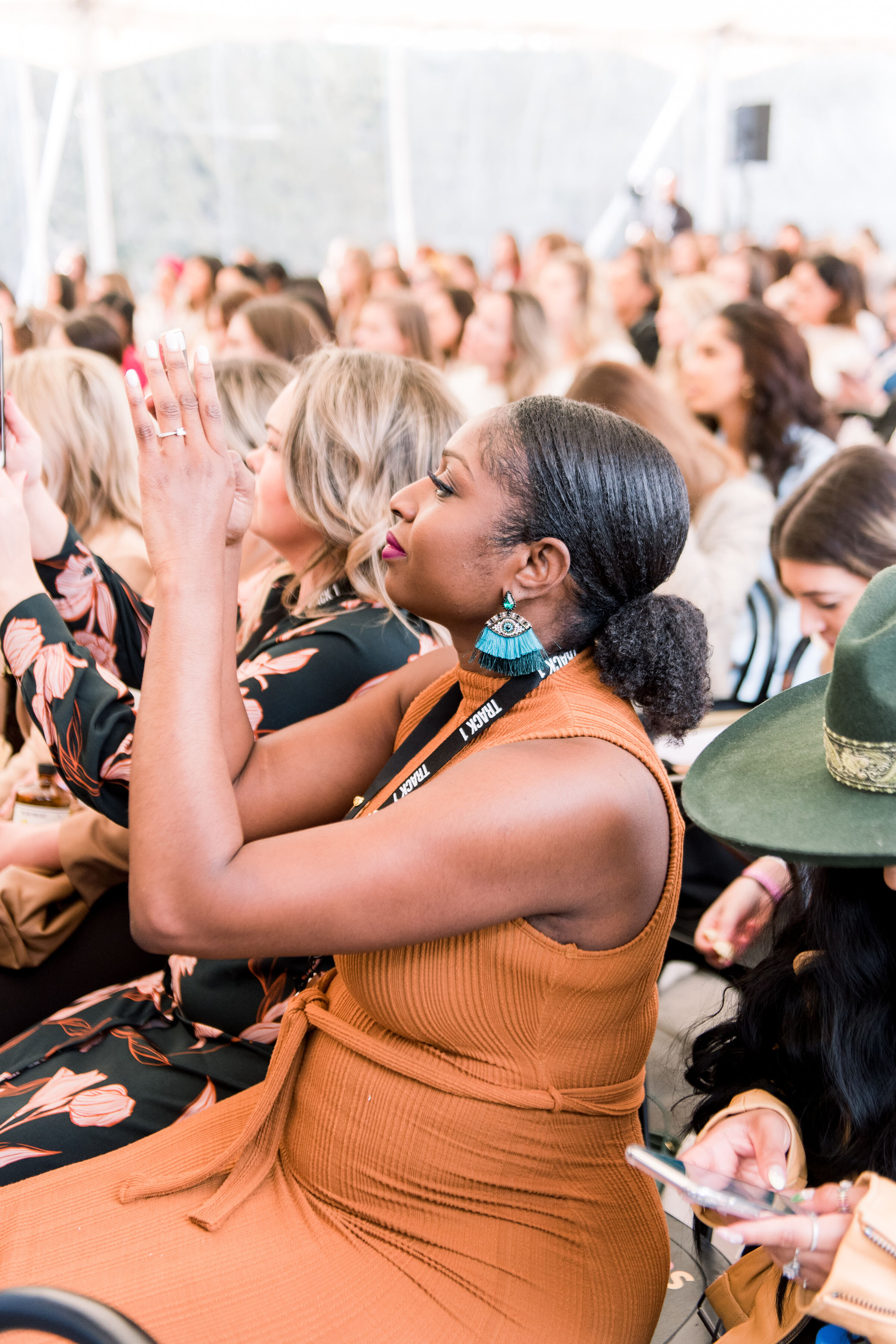
Photography: Smith House Photo


Mentor Monday: 3 Things a Resume Expert Wants You to Know
Get a sneak-peek into our Insiders membership monthly perk.

Photo Courtesy of: Create & Cultivate
Did you know that Create & Cultivate has an Insiders membership program? There are SO many perks to being a member but one of our most popular is the monthly mentor sessions. These monthly digital videos give members some serious facetime with experts across various fields, and the opportunity to get personalized answers to all of their pressing business and career-oriented questions. Members can register for these informative live streams ahead of time and send their own questions to be answered in real-time.
Recently, professional resume writer and personal branding expert Michele Lando hosted a mentor session for our Insiders to answer all of their burning resume questions. As the founder of Write Styles—a provider for personal branding through curating clients’ resumes and self-confidence while navigating the workforce—Lando is very well-versed in the do’s and don’ts of resume drafting.
Here are three key takeaways from the mentor session to apply to your own resume today:
1. Less is More.
“You don’t want your document to be so over-the-top that someone doesn’t actually focus on the information.” In this portion of the Mentor Session, Michele Lando is referring to the design and layout of your resume. When it comes to color palettes or eye-catching graphics, Lando recommends double-checking that your design enhances the information, rather than taking away from the information. After all, you are promoting your own skills, not your aesthetic eye (unless you are applying for a graphic design position, in which case Lando says there are exceptions).
2. Your side hustle may be worth leaving off.
“Anytime you go to include anything on your resume … make sure it sticks within the focus you’re trying to highlight and the skillset that you’re trying to highlight.” Here, Lando honed in on tweaking your resume based upon the position you are applying for. For example, if your side hustle does not support any skills that could be useful to have for your potential new job, it may be better to just leave it off. Additionally, Lando points out that if you’re applying for a job that requires a large time commitment, it may be smarter to remove your side hustle because people may be concerned you do not have room in your schedule to take on another career.
3. Don’t be afraid to step into a new industry.
“Keep an open mind. When you’re trying to switch industries, I think the first thing to consider is that it’s not all-or-nothing. It is one step at a time.” If you’re trying to transition careers but feel like your lack of experience in that field is leaving you feeling less qualified against other candidates, Lando does not feel that this is a cause for serious concern. Instead, she recommends that you start taking informational classes so that you can display on your resume that you have at least a baseline understanding of what you are wanting to transition into. Also, she suggests using your current job to your advantage in the meantime. See what pockets of your current workspace you have yet to explore, and ask to sit in on projects, take on different roles, and try to explore other opportunities.
Be sure to sign up for our program sooner than later to hear who will lead the next mentor session! For more information on our membership program, check out our FAQs page.


Banana Republic's Art Director Says Having a Life Outside of Work Is Critical to Success
“You can’t work at your best if you’re burnt out.”

We often look to the iconic leaders of our time for motivation and wisdom, but for many of us, this is purely inspirational and not as applicable to our everyday lives. We truly believe there is more benefit in looking to your left and seeking out a peer-to-peer mentorship with a colleague or friend you admire. Why? Firstly, they will likely have the time to be your mentor, and secondly, their advice will be relatable and allow you to see your path clearly while keeping your mind open to new ideas, identifying new opportunities, and helping you self-advocate. We call them Everyday Superheroes. In this new series, we talk to the people who are paying it forward, lifting others up and paving a smoother path for the next generation to come.

Photo: Courtesy of Banana Republic.
It’s safe to say that the traditional career model has been completely disrupted. The path to your dream job is no longer linear—it takes many twists, turns, and jumps along the way—and the days of choosing one job for the rest of your life are officially over. Now, it’s a choose-your-own-adventure journey and which way you turn is completely up to you.
Kimara Mitchell’s story is proof that every job, no matter how big or small, all contribute to the end goal. When she was working at her local Macy’s in the Esprit shop-in-shop or studying to be an engineer, she didn’t know that one day she’d end up in her dream job. Fast forward to today, and Mitchell is now working as the associate art director at Banana Republic leading photoshoot art direction, research, and hiring a team of photographers, illustrators, designers and more to bring the brand to life.
Everything about Mitchell’s career path has been non-traditional including how she landed her current role. Read on to hear how the award-winning designer went from the agency side to in-house, what she does to prevent burnout, and why staying true to who you are at work is key to your success (and the business).
And if, like us, this has you feeling inspired and motivated to kick off the new decade with a whole new perspective, then head over to the Banana Republic career’s page to learn more about how you can get involved and embark on a new, and exciting career path for 2020.
CREATE & CULTIVATE: What did you study in school? And what did you want to be when you grew up?
KIMARA MITCHELL: “Initially I was an engineering/urban planning major. I’ve always been obsessed with cities—how they are planned, transit, green spaces, community buildings—and thought it would be the right career path for me. I didn’t realize how technical it was and after taking an illustration class in my sophomore year, my professor told me about something called communications design. I took a summer seminar at Parsons and then switched my major to advertising the next semester.”
What are some of the earlier jobs that helped to shape your career/path?
“One of my first jobs was working in retail at my local Macy’s in the Esprit shop-in-shop. I’ve always loved fashion, especially the marketing side. When I was young, I would have ads on my wall from magazines, not posters of celebrities. I never knew how to get from admiring ads to creating them.”
“I don’t believe in the idea that you need to hide the real you at work.”
What challenges have you faced along the way? What did you learn from them? How did they prepare you for your job now?
“When I graduated from college, I worked at advertising agencies and it was hard to get a job in-house because they wanted someone with in-house experience. Agency life tends to be very fast-paced and you have to be detail orientated and able to juggle multiple jobs, clients, and deliverables at once. Interestingly, it prepares you for working in-house, especially given the shifts we have to make based on business. On the in-house side, you also work much closer with cross-functional teams, like marketing, merchandising, inventory management, finance, and design. There were a lot of acronyms I didn’t know when I first came to Gap, so I studied up.”
Tell us about your role at Banana Republic? What does it entail? Did you work your way up? What were the positions along the way?
“I am currently the art director for Banana Republic Factory and my job is two-fold. First, I come up with the concept and art direct our seasonal photoshoots. I work with the global creative director and senior director of photography for Banana Republic on evolving our photography, model choices, and how we show up as a brand. Secondly, I manage a team of designers who create marketing with photography, like store signage, direct mail, site, emails, and social.
“I started here as a senior designer on the outlet shared services team, then moved over to the Banana Republic side. From there, I started working with the former creative director on shoots until he would let me run them myself. After two years of that, I was promoted to art director.”
What do you love most about your job and why? Does the reality of your career match up to your expectations/why/why not?
“I love the flexibility in my job and that every day is something different. I could be pulling inspiration for an upcoming shoot, art directing someone on my team for a digital editorial or working with our copywriter on an Instagram story. I never imagined that I’d be in this spot, so I didn’t really have an expectation of what it would be like.”

What can you tell us about the culture at Banana Republic? What has encouraged you to stay?
“I’ve stayed because it’s been a challenge and not become stale. People here are very passionate and extremely intelligent, and it makes you want to step up your game. That being said, we also care about each other and like to have fun.”
Talk us through your daily tasks and what a day in the office looks like for you? What’s the most rewarding part of your day?
“One of the things I love is that no two days are the same. I like to check email and get a head start on that on the commute in. Then I’ll come into the office, check-in with my team, probably work on a project or two and attend meetings like project reviews or kickoffs, brainstorm some upcoming initiatives, or work on some image retouching notes.”
What does your morning, pre-work routine look like? What rituals set you up for success?
”I’ve been into sports since I was young, and I started running in high school. I usually start off the day with a three-mile run, then come home, check email, and have breakfast. I’m a bit obsessive about having breakfast every day without fail. I like working out in the morning because I feel it sets me up better for the day; I’m more energized. I also like to write things down. I have two datebooks, a smaller personal one and a larger one to plan out the shoots, milestone meetings, and creative reviews. I have weekly and daily checklists to keep myself organized.”
Your role requires you to be across so many facets of the business—how do you manage your time effectively? What is your greatest productivity hack? How do you get it done?
“It can be challenging for sure! One of the great things about our office is that you can work anywhere. Sometimes in an open floorplan, it can be hard to concentrate, so I’ll work in the café or one of the couches we have around the 8th floor. I’ll also turn off my email for a few hours so I don’t get distracted. I also make priority lists for myself and I always ask business partners when something is needed by—they feel their needs are being met, but I’m not stressing to get everything done ASAP.”
Do you ever reach inbox zero? Do you believe in that? What is your inbox philosophy?
”To me, having an inbox at zero means that I have read and acknowledged everything in my inbox. If I need to reply, then I’ve done that or forwarded it on to someone else who can better answer someone’s question. Having my inbox at zero means those things have been checked off my list and I can move on to other tasks.”

What is one of the biggest misconceptions about your job?
“If you work in fashion, people tend to think it’s very glamorous and your days are spent with samples, on set, or around models. It is a ton of hard work that starts way before the actual photoshoot. It’s the pre-season planning, pulling inspiration, collaborating with styling, marketing and merchandising on stories, working with prop stylists and photographers on getting all the details nailed down, and much more. Once you get to the shoot days, hopefully, everything is ticked and tied and the day(s) will run very smoothly.”
If someone wanted your role specifically, what advice would you give them on how to land their dream job/your current job?
“Be a cultural sponge. Inspiration really comes from everywhere, so it’s not just about going to school and studying art direction. I’m constantly looking beyond fashion and in popular culture, art, music, books, current events, politics, sociology, and more to influence what I’m doing. I also think with the advent of social media, you don’t have to live in a large city to work in fashion or retail. Seek out local photographers or stylists where you live and do test shoots, or collaborate with your favorite local boutique on editorials. Many of them don’t have a huge budget and would love help with marketing or social media.”
“Be a cultural sponge. Inspiration really comes from everywhere.”
Have you seen a consistent standout quality or personality trait of successful people in this industry?
“Be someone who is constantly learning and willing to pivot. The industry is changing so rapidly and it’s the people and the brands that are evolving that will succeed.”
What’s the best piece of advice you’ve been given? And what’s the worst piece of advice you’ve been given?
“The best piece of advice is ‘you are not your job.’ The interests I have outside of work keep me inspired and motivated when I’m in the office, and you need to carve out time for yourself to be with friends, family, travel, etc. You can’t work at your best if you’re burnt out. I don’t believe in the idea that you need to hide the real you at work. I’m a proud African-American woman, and the things I’ve experienced give me a unique viewpoint. As someone who never saw women like myself in fashion growing up, I want to make sure young people know that this is an option for them and you can be uniquely you while doing it.”
If there was one person you admire that you could power brunch with, who would it be?
“I would love to meet Shiona Turini. She started in PR at a high fashion brand and then segued into being a fashion editor and now a wardrobe stylist for television and movies. I’d love to pick her brain about that and also just talk fashion.”
In your mind, what’s a perfect interview outfit? Why? Explain?
“It really depends on your chosen field but at Banana Republic I think it’s something that shows your personality and creativity. It could be a fun midi skirt and leather jacket or sleek denim and a blazer. You should always dress up though and not be too casual, even in a ‘casual’ workplace.”
Visit the Banana Republic career page to learn more about their exciting job opportunities and career options.
MORE FROM THE BLOG

What I Learned About Success From Women Who Have Raised $1 Million+ for Their Businesses
Lesson 1: Personal wealth is a non-factor.

Photo: Godisable Jacob from Pexels
The connotation around the word success doesn’t mean what it once meant to me. Growing up I can remember thinking that success equated to wealth, status and excellence. Honestly, to be successful felt intimidating and unattainable. The intimidation around success was one of the main reasons that I felt it necessary to explore the idea.
I was recently asked to run down a list of accomplishments, and I had at least 10 things that I rattled off, but does that mean that I’m successful? Being the host of the personal development podcast Switch, Pivot or Quit, I wanted to take the opportunity to consult with other women about their thoughts on success.
In the last year and a half, I’ve interviewed more than 75 women in business and more recently, through producing the new Mayzie Media podcast A Milli, I’ve had in-depth conversations with a variety of stellar women who have amassed one million-plus in business.
When asked: what does success mean or look like for you? I discovered an honesty that was refreshing among the women interviewed for A Milli, despite collectively having $60 million in annual revenue, 5 million in social followers, and more than 116 million in funding.
“I'm not sure what success means to me,” said Abyah Wynn, a 29-year-old Vice President of Business Development at Trimantium Capital. “I think that giving back in a big way and being able to use my talents and everything I’m learning and doing now to help others would be my definition of success.”
Ahead, my takeaways on success.

Personal Wealth Is a Non-factor
Not only has our idea of success as a society began to shift, but we are also seeing an evolution in how we allow success to play a role in our lives day-to-day. Many of us are realizing that there's more to life than the flashy outward perception of success, especially from an emotional perspective. Abyah also said, “I could drive the car and buy the house and wear the shoes and the designer labels, and that's great, but that is absolutely not my definition of success.”
Definitions Are Changing
Pre-social media many of us had this fairytale idea of what success looked like, but now we see that success can come in different ways, take different forms and evoke different feelings and that’s okay.
“I think success, in general, is very personal,” said Christina Stembel, Founder and CEO of Farmgirl Flowers. “I think for myself it means building Farmgirl into a company that I'm really proud of, meaning that I did it the right way. I didn't do it the way that just maximizes profits in order to get the highest sale amount. It's building a company that I'd want to buy from, sell to and work at.”
Success Is in the Little Things
Daily, we have the ability to feel successful in the most routine ways. We can also help inspire those around us to feel a sense of accomplishment and success as well. Speaking on her feelings regarding success Drybar founder, Alli Webb immediately defaulted to the emotion that her business draws out of women. “We’re doing over a million blowouts a year, which means we're making a lot of women happy and I very quickly learned, which I don't think I completely realized when we first started Drybar, how incredible Drybar and a great blowout makes a woman feel.”
Happiness Means the Most
A common theme that surfaced during my interviews was happiness. We all just want to be happy, and we are starting to realize that we have to prioritize our happy. “I think success is just being happy with myself wherever I am and with whatever I'm doing,” says Nicole Gibbons, Founder, and CEO of Clare. “I think when it comes to family and my personal relationships I think having those relationships be healthy and happy is also what makes me feel really accomplished and successful because when you're running a big company having a support system is really, really important. My measure of success is not tied to any one accomplishment it’s more tied to my own personal sense of contentment and happiness, and that's really how I look at the idea of success and how I define it.”
We Can All Be Successful
Determining whether or not you have been successful in your life can only be made by you. Your interpretation of self and your accomplishments dictate whether you choose to believe that you are successful or not. One definition of success points to it being the accomplishment of one's goals, and you can do that right! Think about it, something as simple as establishing that you want to begin a routine of morning meditation for ninety days straight is a goal. If you follow your plan and achieve that goal for the next ninety days, then you were successful. Success can be accomplished daily, and we are the ones that complicate it with expectations.
ABOUT THE AUTHOR
Ahyiana Angel is the Founder of Mayzie Media, a podcast network with content curated for women, and host of the Switch, Pivot or Quit podcast. A traditionally published author, Ahyiana is a seasoned executor who eventually blocked out the world’s ideas of success, quit her highly coveted position at the NBA, moved to London and traveled the world for a stint, then followed her passion in writing to find her purpose in encouragement through podcasting.
Mastering the art of note-worthy ideation, Ahyiana taps into her more than 12 years of professional business marketing experience to lend her thoughts on professional development, digital marketing, contemporary brand styling and more. However, Ahyiana enters her zone of genius when speaking to audiences about her 4 Ps: publicity, publishing, personal development and podcasting.
This post was originally published on October 25, 2018, and has since been updated.
MORE FROM OUR BLOG

Gwyneth Paltrow, Marie Kondo, Tyra Banks, and More on the #1 Book They Always Recommend
Create & Cultivate 100 honorees share the tomes they swear by.

Photo: Daria Shevtsova from Pexels
Just a quick glance at the reading habits of some of the most admired business people of our time is enough to convince you to crack open a book. Bill Gates famously reads 50 books a year, Warren Buffet spends five to six hours a day reading, and the one-and-only Oprah Winfrey credits books for much of her success, which is one of the reasons why she started her influential book club way back in 1996 (!).
In search of a fresh crop of inspiring, motivating, confidence-boosting books to add to our own to-read piles in 2020, we asked this year’s Create & Cultivate 100 honorees to share the #1 book they always recommend—and they did not disappoint. Spanning timeless tomes filled with tried-and-true life lessons to hot-off-the-press books brimming with sage career advice, this list of page-turning reads has it all.
Ahead, 65 badass female founders, entrepreneurs, CEOs, and all-around successful women reveal the books that helped them get where they are today. Prepare to fill your Amazon cart accordingly.

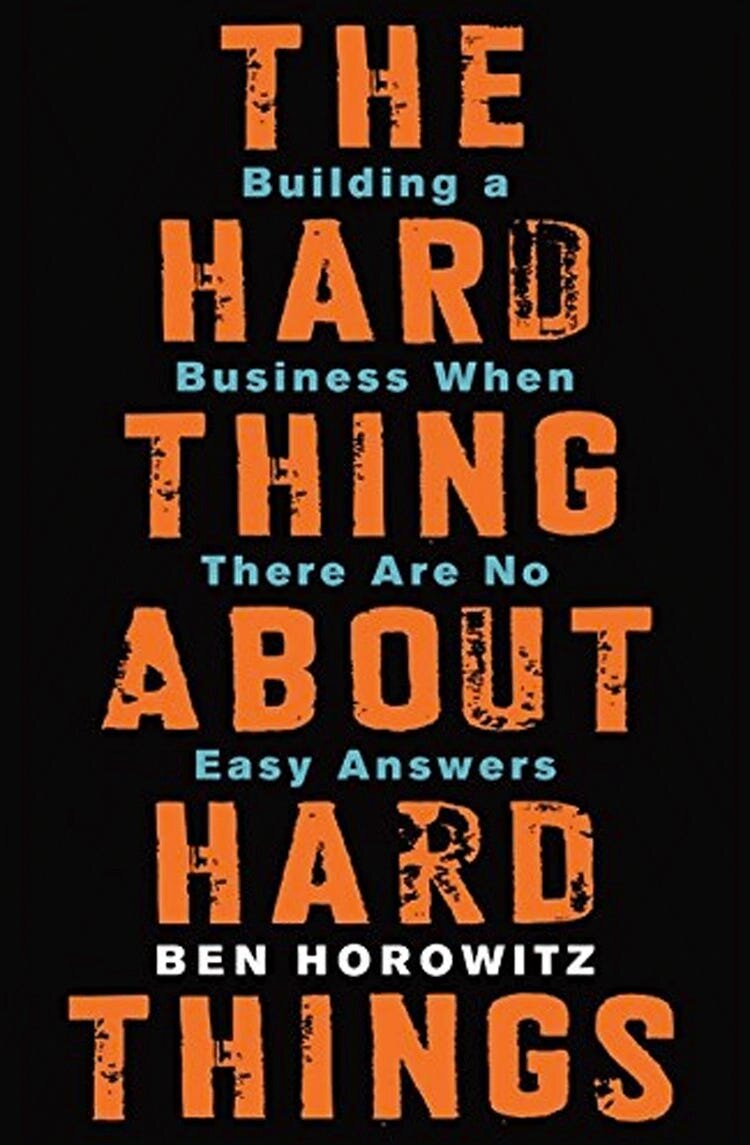
JACEY DUPRIE: “The Hard Things About Hard Things by Ben Horowitz. It gives quick little nuggets of business advice that you can actually apply to your day-to-day.”
MARIE KONDO: “Big Magic by Elizabeth Gilbert. Elizabeth’s approach to work and life celebrates many of the same values as the KonMari Method. I admire her vulnerable path to self-discovery.”
SHAY MITCHELL: “The Four Agreements by Don Miguel Ruiz. It’s an amazing read, pertinent to almost everyone and riddled with pertinent lessons we should take to heart.”
JESSICA KOSLOW: “Journey to the Heart by Melody Beattie. It’s about this woman who lost her son to cancer and her road back to celebrating life. Every day there’s a different mantra based on what she was going through during those 365 days back to finding herself. It’s really special and I read it every morning. Erin—the GM of Onda—gave me the book and it’s really helped me get through this time of opening this restaurant.”
DAISHA GRAF: “Oh, the Places You'll Go! by Dr. Seuss. Keep the wonder in your life. Nothing is impossible. If you can dream it, you can do it.”
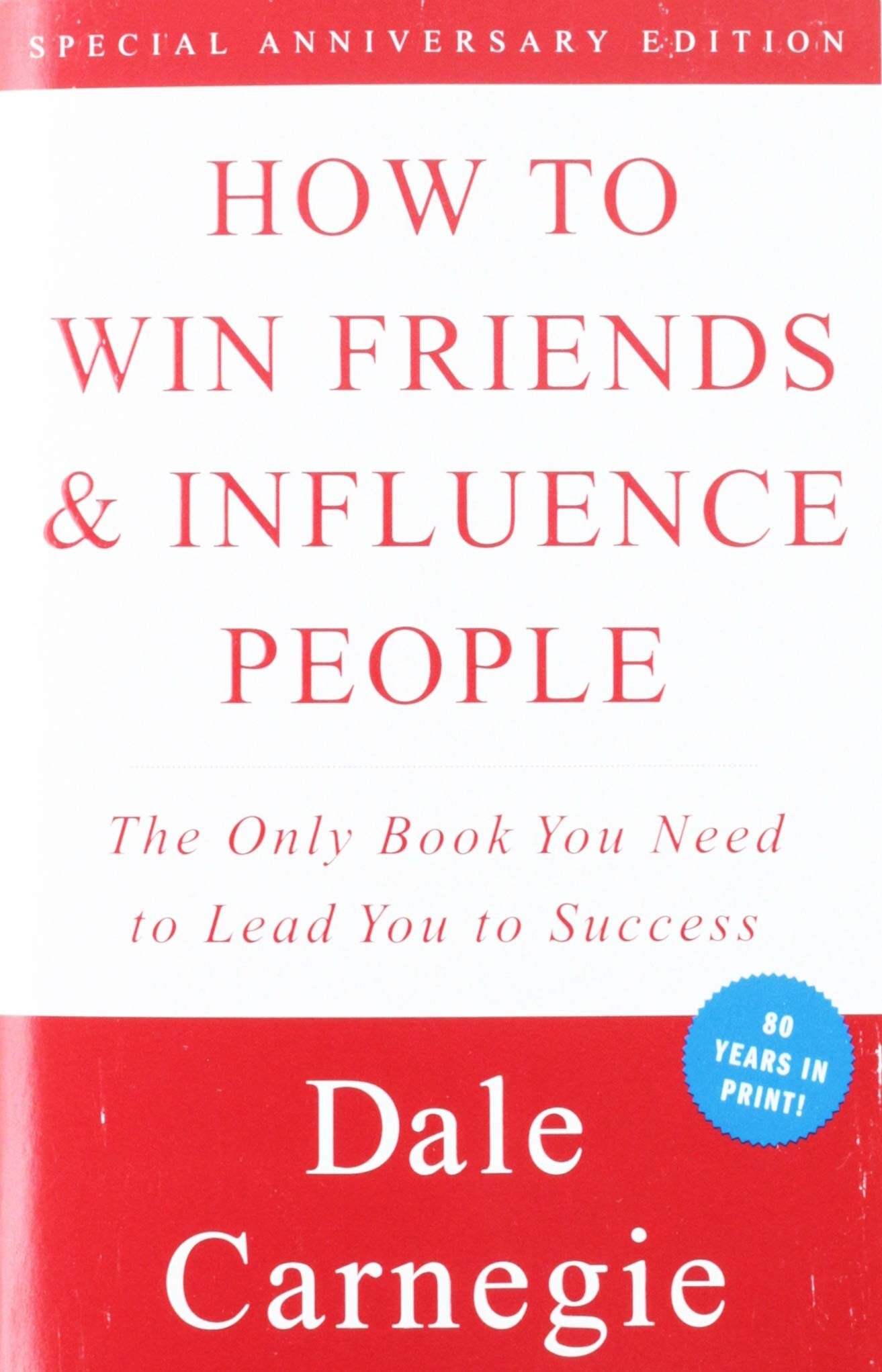

OLIVIA CULPO: “I am a huge bookworm so it’s really difficult to choose one but a few of my favorites are How to Win Friends and Influence People by Dale Carnegie and The Secret by Rhonda Byrne.“
DANIKA BRYSHA: “The Firestarter Sessions by Danielle Laporte. A great way to get clear on what you want and just dig deep into the direction of your life.”
TIA MOWRY: “The Alchemist by Paulo Coelho. This book taught me that whenever you feel like you're alone, you're not. No matter what you believe in, you're always being guided. You just have to be sensitive and open to embracing the omens.“
WENDY LOPEZ & JESSICA JONES: “Health at Every Size by Linda Bacon is a great starting guide to understanding our approach to food, nutrition, and wellness! Linda dives deep into the research surrounding weight science and addresses the history behind some of the prevalent wellness trends we see now.”
ROCKY BARNES: “The Four Agreements by Don Miguel Ruiz. Learning to not take things personally in our industry has helped me more than anything!”

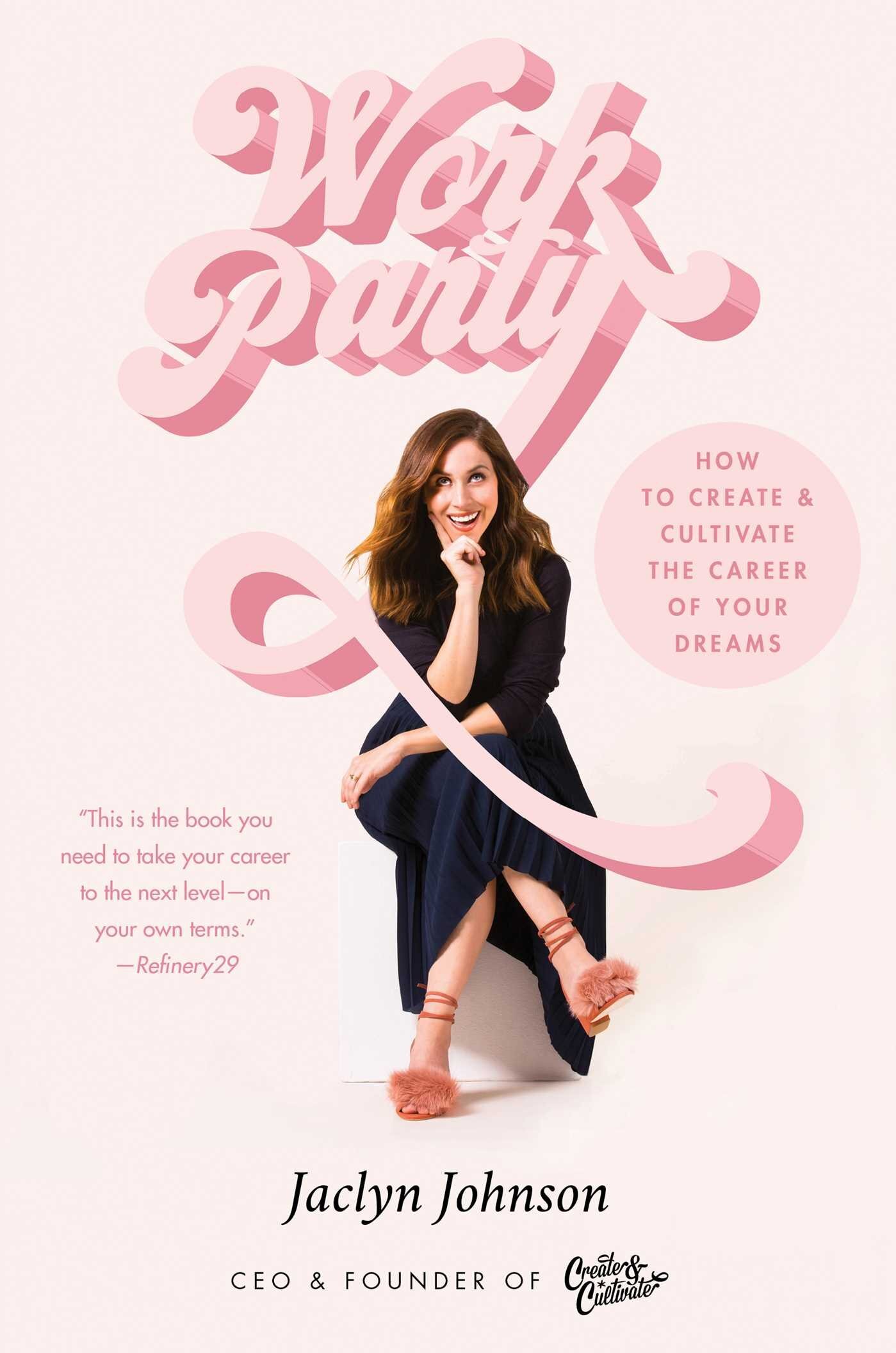
KELTIE KNIGHT, BECCA TOBIN, & JAC VANEK: “Work Party by Jaclyn Johnson because we love to support the ladies who support us!”
GENEVIEVE PADALECKI: “The Four Agreements by Don Miguel Ruiz. It's simple advice that cuts to the core. Especially the ‘don't take anything personally’ message. I also love the Last Child in the Woods by Richard Louv. It reinforces my drive to connect with nature.”
LENNON STELLA: “Astrology for the Soul by Jan Spiller and The Power of Now by Eckhart Tolle. These books really centered me and helped me understand myself and accept myself entirely.“
LALAH DELIA: “The Power of Your Subconscious Mind by Joseph Murphy. This book is essential reading because, until we truly get and honor how our mind operates and how we can take control of it, we live a life that is controlled by external and internal forces, cycles, and thought patterns that don't serve us.”
JUNE DIANE RAPHAEL: “Ah, there are so many books I'd recommend. My current demand is that everyone read Thick by Tressie McMillan Cottom. She is one of the greatest intellectuals we have right now and her thoughts on race/beauty/gender/politics are challenging so much of what I've thought to be true. In the very best of ways.“
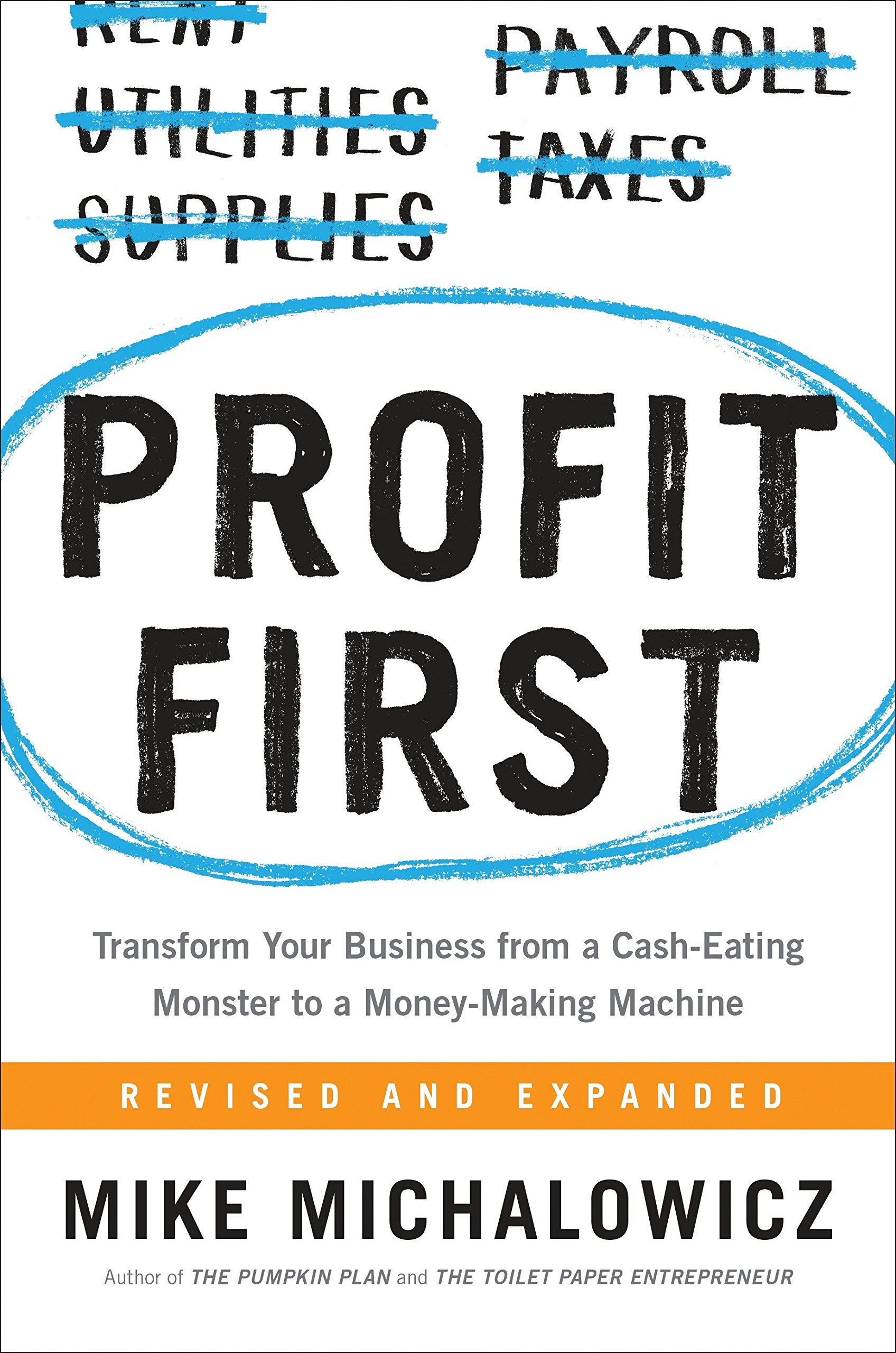

TONYA RAPLEY: “My book! The Money Manual! It's straight to the point, easy to digest and really helpful. Other than mine, Profit First by Mike Michalowiz, it's a must-read for business owners.“
KIITAN AKINNIRANYE: “Right now, I am reading The Purpose Driven Life and I really love it. I’d recommend it to anyone who is searching for purpose and even people who are already walking in their purpose. It really gives insight into how to do it from a God perspective, which is really important to me.”
MELISSA BEN-ISHAY: “I love The Alchemist by Paulo Coelho.”
ISKRA LAWRENCE: “Now that I'm pregnant, I am reading this amazing book that I would definitely have anyone that's pregnant or planning to be pregnant read. It's called Three in a Bed and I find it absolutely fascinating. For me, motherhood has been my biggest goal and dream and something that I want to make sure that I am as prepared as possible. For me, it's the most important job you can do in the whole world. Raising this human to be a good person who is motivated and passionate and embraces all the things that make them special. I think it's a fantastic book in a world where childbirth has a set routine when in reality there are so many options.”
CHRISELLE LIM: “Outliers and The Tipping Point, both by Malcolm Gladwell.”
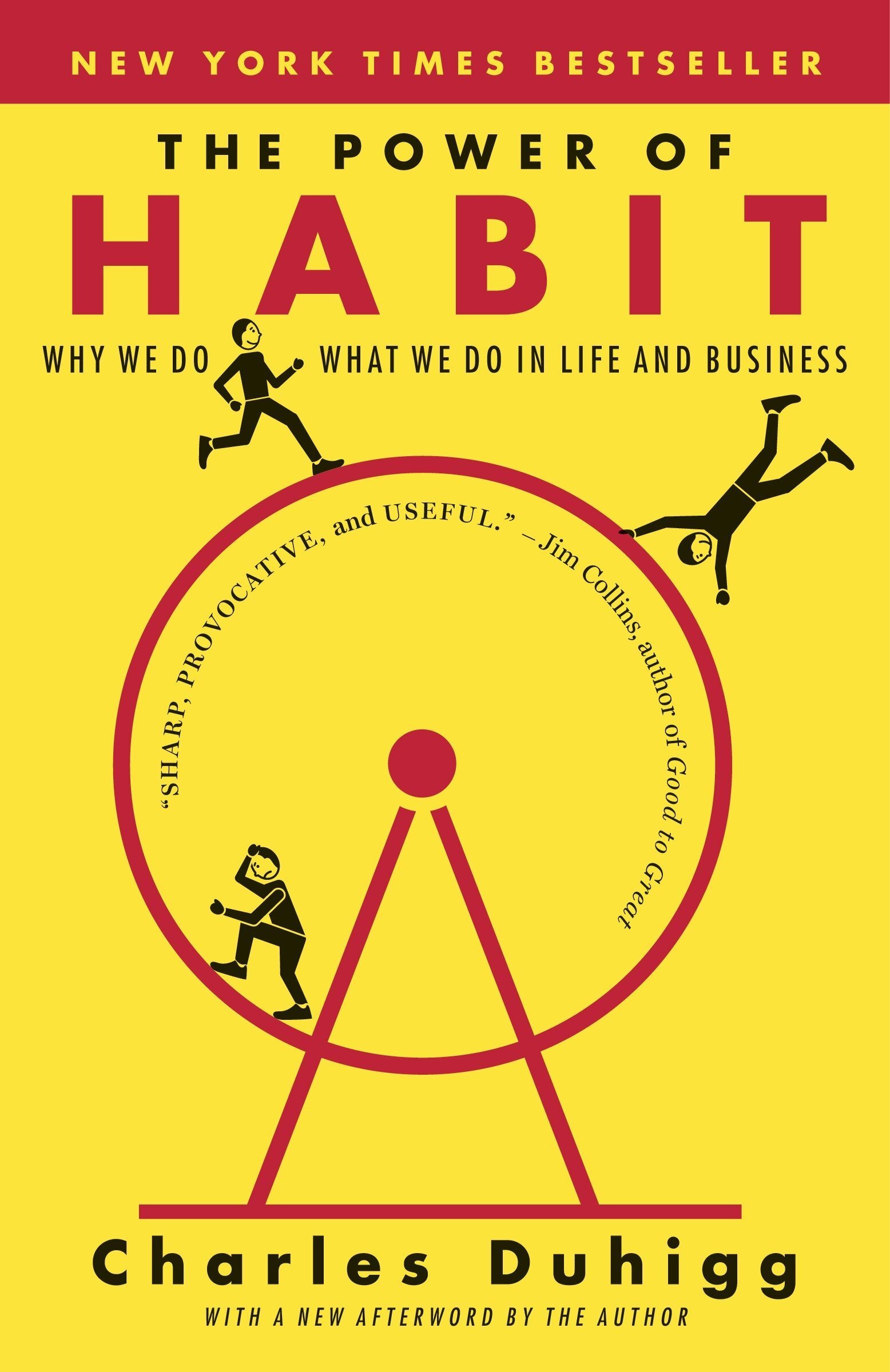
NOELLE SCAGGS: “The Power of Habit: Why We Do What We Do in Life and in Business by Charles Duhigg. It’s my life bible and everyone should have this book by their bedside. It lends a real perspective on human nature when it comes to routine and comfort.“
LINDSAY PEOPLES WAGNER: "I Know Why The Caged Bird Sings by Maya Angelou is a book that changed my life and can be read over and over again.”
JULIA LANDAUER: “Forever by Pete Hamill. It's a novel that's a beautiful love story to New York City, but it's also an example of living life fully, being present, and appreciating our own existence.”
JULIA CHEEK: “The Hard Thing About Hard Things by Ben Horowitz! It’s an honest look at the ups and downs of building a company. It makes the job a little less lonely to know that all of the best founders have gone through the same rollercoaster.”
CINDY ECKERT: “Purple Cow by Seth Godin. Read it. It encourages the powerful idea that you should embrace what is unique to stand out in the sea of sameness. If only Seth would reprint it this year and title it Pink Cow.”
NOOR TAGOURI: “The Originals by Adam Grant.“
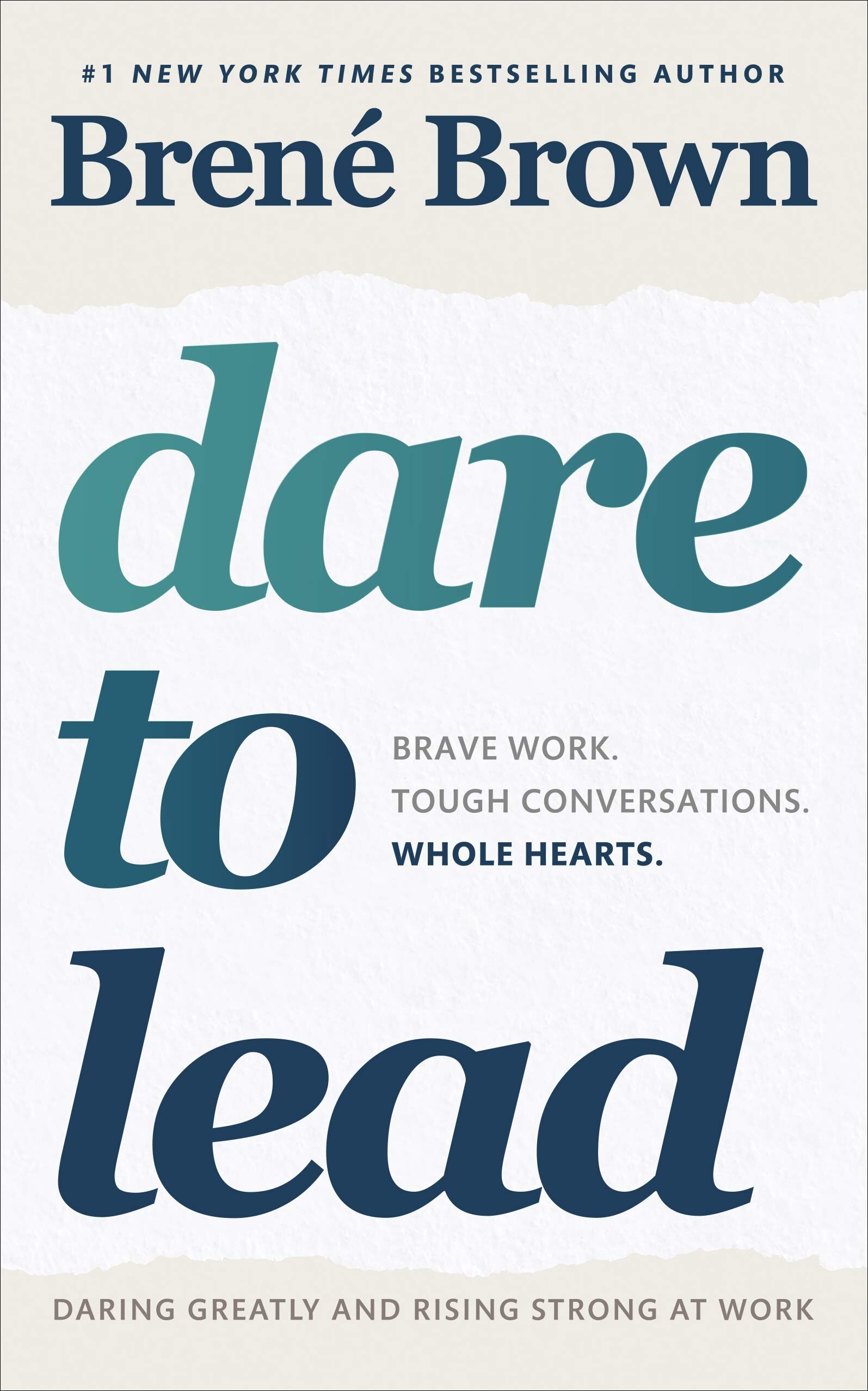

ALLY MAKI: “Anything by Brené Brown. Her words on vulnerability and shame have gotten me through some of my toughest moments.“
BECCA TILLEY: “How to Win Friends and Influence People by Dale Carnegie. It’s basically a book teaching you how to be kind to people and how to treat people you meet for the first time. I always go back and read certain parts because it’s always so eye-opening and being kind to people is never going to go out of style!“
TYRA BANKS: “Delivering Happiness by Tony Hsieh. I am obsessed with his company culture. So much that I cold-called him! We were on the phone for over an hour and he shared so many valuable insights (all of which I implemented with my team!). I highly recommend this book for entrepreneurs.”
JESSIE JAMES DECKER: “I loved The Glass Castle. Jeannette Walls had a wild and unique childhood, but that didn't stop her from achieving her goals and building her character. That's what I always say when things seem messy... it builds character.“
MANDANA DAYANI: “Last year, I read On Tyranny: Twenty Lessons from the Twentieth Century by Timothy Snyder. It was incredibly eye-opening and a critical reminder that we must learn from our mistakes. It also provides context for how critical this time is for democracies across so many countries in the world.”

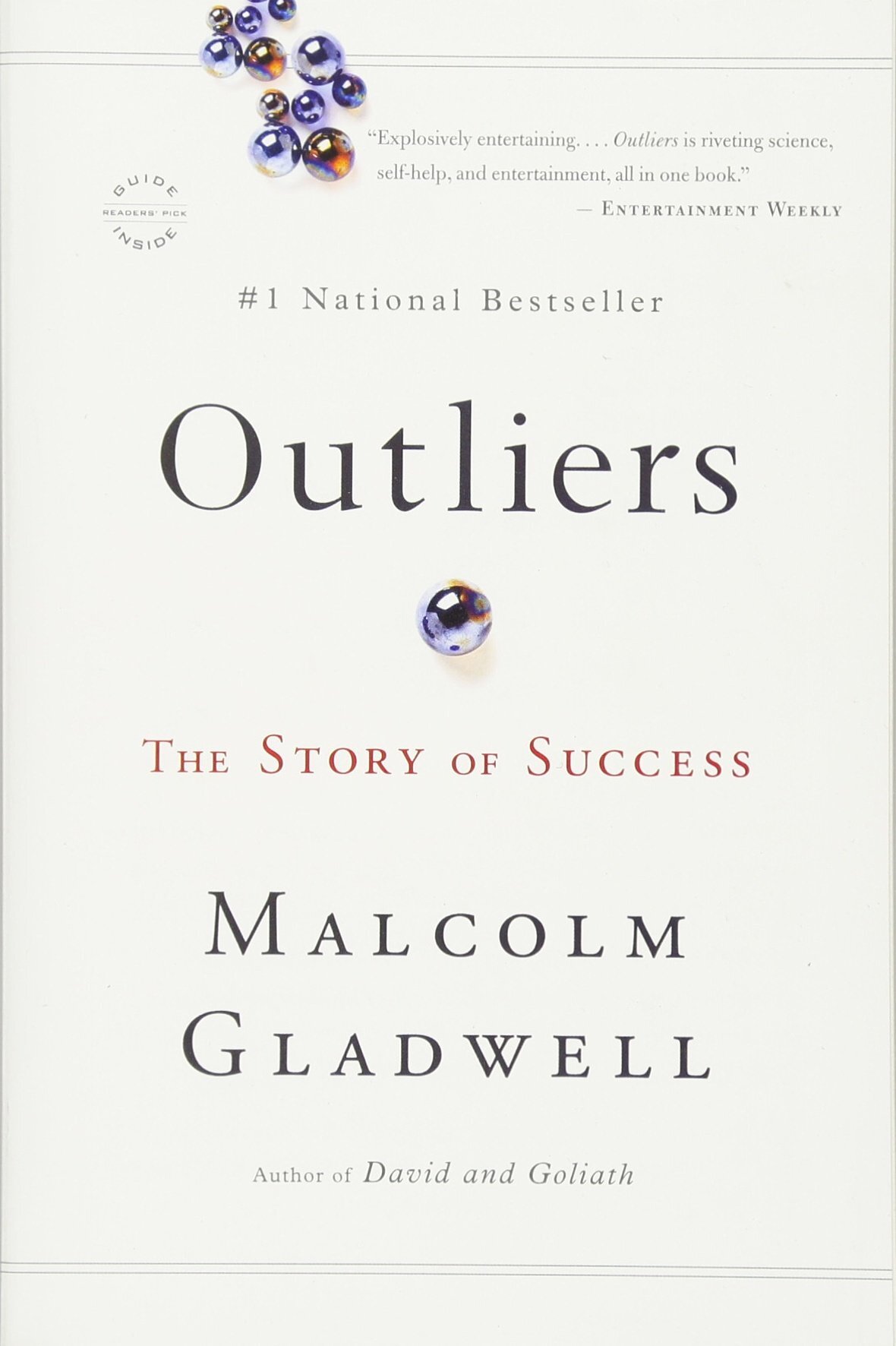
CAMILA COELHO: “Outliers by Malcolm Gladwell—it explores the various differences between us as humans and why some succeed more than others.“
JAIME-LYNN SIGLER: “The Four Agreements by Don Miguel Ruiz. In a way, it takes all the pressure off life. It allows you to really see the world through a different lens. I re-read it every year and even have a tiny copy of it that I carry in my bag.”
MARNI SENOFONTE: “Some oldies but goodies—The Seat of the Soul by Gary Zukav and The Last Lecture by Randy Pausch—both still hold their weight.“
FADIA KADER: “The First 90 Days by Michael D. Watkins. I was given this book when I started a new role and it helps you level-set expectations in your first 90 days in a new company or a new role. I read it as a refresher with each new chapter/role in my career. I often gift it to friends and peers and love seeing them continue that tradition.“
LAUREN CHAN: “The Body is Not an Apology by Sonya Renee Taylor—and I suggest you listen to the audiobook so that you can hear the author preach.”
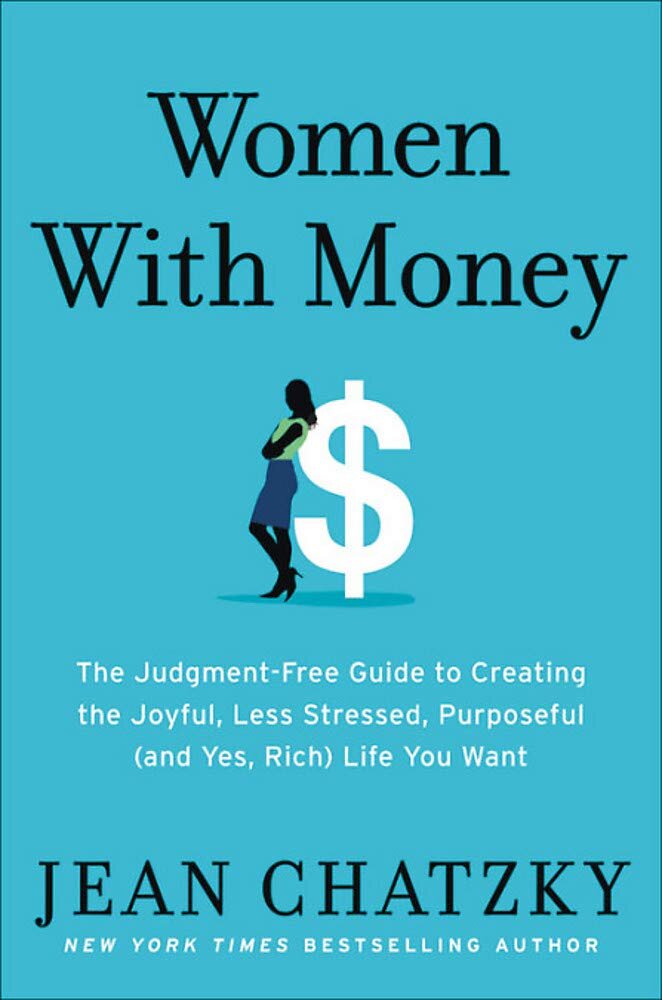

TYLYNN NGUYEN: “Women With Money by Jean Chatzky. We need to be more confident in our own means and still stop apologizing for having your life together. This is a great book for women who have money or women creating wealth or even women who want to create wealth for themselves. We are in this together. Let's talk more about how to build each other up in all facets.”
PAIGE ADAMS-GELLER: “The Four Agreements by Don Miguel Ruiz. This book is a quick read that can be applied not only in business but in all of your personal interactions.”
LILY ALDRIDGE: “The Alchemist by Paulo Coelho is one of my favorite stories of all time! It reminds me that we are on a path in life and that there will be ups and downs, but everything is happening for a reason and to trust the journey!”
SASHA SLOAN: “Ah, it’s too hard to pick! I love to read. I guess my #1 book recommendation would be The Book Thief by Markus Zusak I read it in high school and I’ve loved it ever since.“
KIRSTY GODSO: “Relentless: From Good to Great to Unstoppable by Tim Grover.“

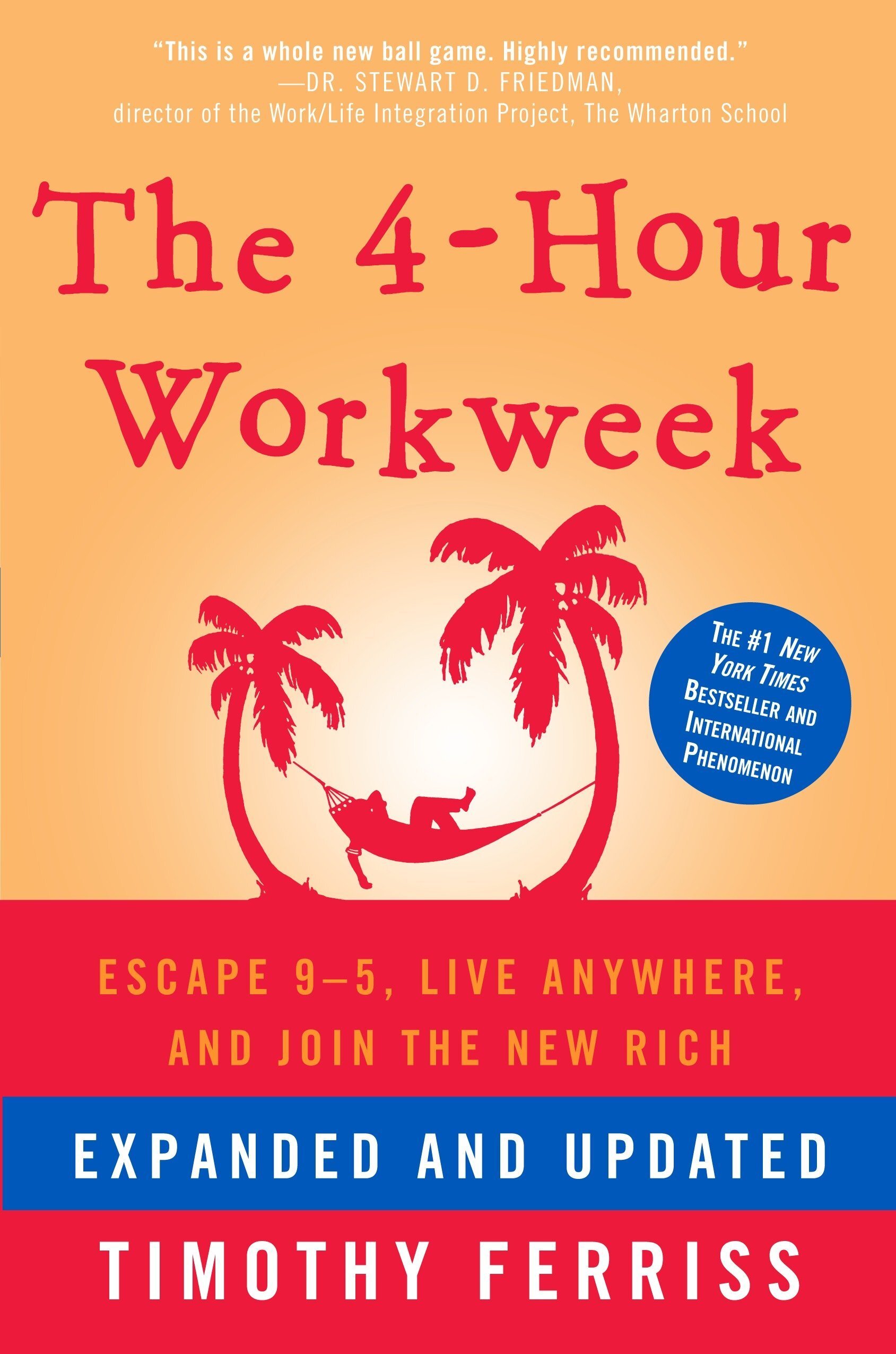
BRITTANY XAVIER: “Hands down, The 4-Hour Workweek by Tim Ferris. I think it’s a great book for anyone that is considering creating a side-job. You need to start small, and this book will help you if you need a little more inspiration to understand that it’s feasible.”
FRANCHELLI RODRIGUEZ: “The #1 book I always recommend is the Bible! The Bible covers everything we could ever ask for. I know not everyone is a believer, but I do believe that there is a message in the Bible out there for everyone. No matter your situation or circumstance, read the Bible and you will find comfort and even answers!“
ESTE, DANIELLE, ALANA HAIM: “Letters to a Young Poet by Rainer Maria Rilke.“
SARAH LARSON LEVEY: “The Monk by Matthew Lewis. It was required reading for one of my lit classes in high school. It was written in the 1700s and is still so relevant today. I come back to it time and time again.”
PRISCILLA ONO: “I love all of the Kevyn Aucoin books! When I was growing up as an aspiring makeup artist, we didn’t have social media or the internet for makeup inspo. Kevyn Aucoin was way ahead of his time when it came to artistry and being a celeb makeup artist. His makeup looks are timeless and his background and story are so inspiring. Any aspiring makeup artist should invest in reading them.”
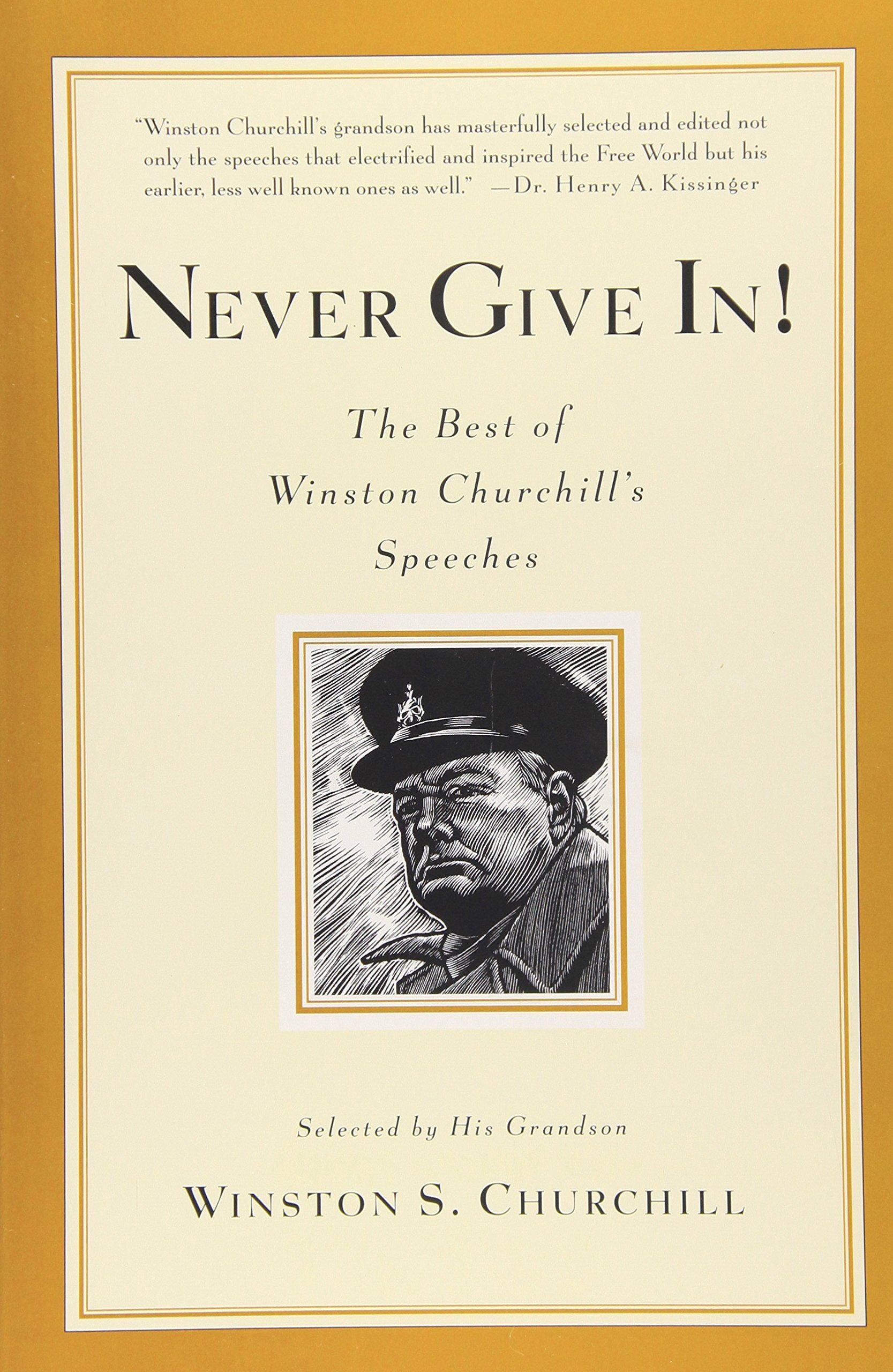

ANASTASIA SOARE: “Never Give In! A collection of Winston Churchill’s speeches that never fails to stir something inside you.”
KARLA WELCH: “The War of Art by Steven Pressfield, Catching the Big Fish by David Lynch, and Just Kids by Patti Smith—because they are all perfect.”
ADRIENNE BOSH: “The Mastery of Love by Don Miguel Ruiz is one of my all-time favorite books. It’s not only about building romantic relationships, but it’s also about learning how to capture the love you have within yourself. As a young woman, I think it’s so important to learn to love yourself first before ever investing yourself in another person, so it was really helpful for me.”
NATASHA CASE: “I read books for pleasure, so 1Q84 by Haruki Murakami or Gone Girl by Gillian Flynn, which you can inhale in one long weekend. For meaningful reads, The New Yorker has phenomenal writing.”
JULIANNE HOUGH: “Oh wow, there have been so many over the years. Most recently I’d have to say Belong by Radha Agrawal. It’s an incredible book about approaching life through the lens of community, being in service, making powerful contributions through collaboration and remembering there is only one you who can make a difference like you can. I also love The Artist’s Way because as a performer my whole life, it's easy to lose sight of the artist within you. This book is really a program that can be supplemented with KINRGY to nurture the artist in all of us.”
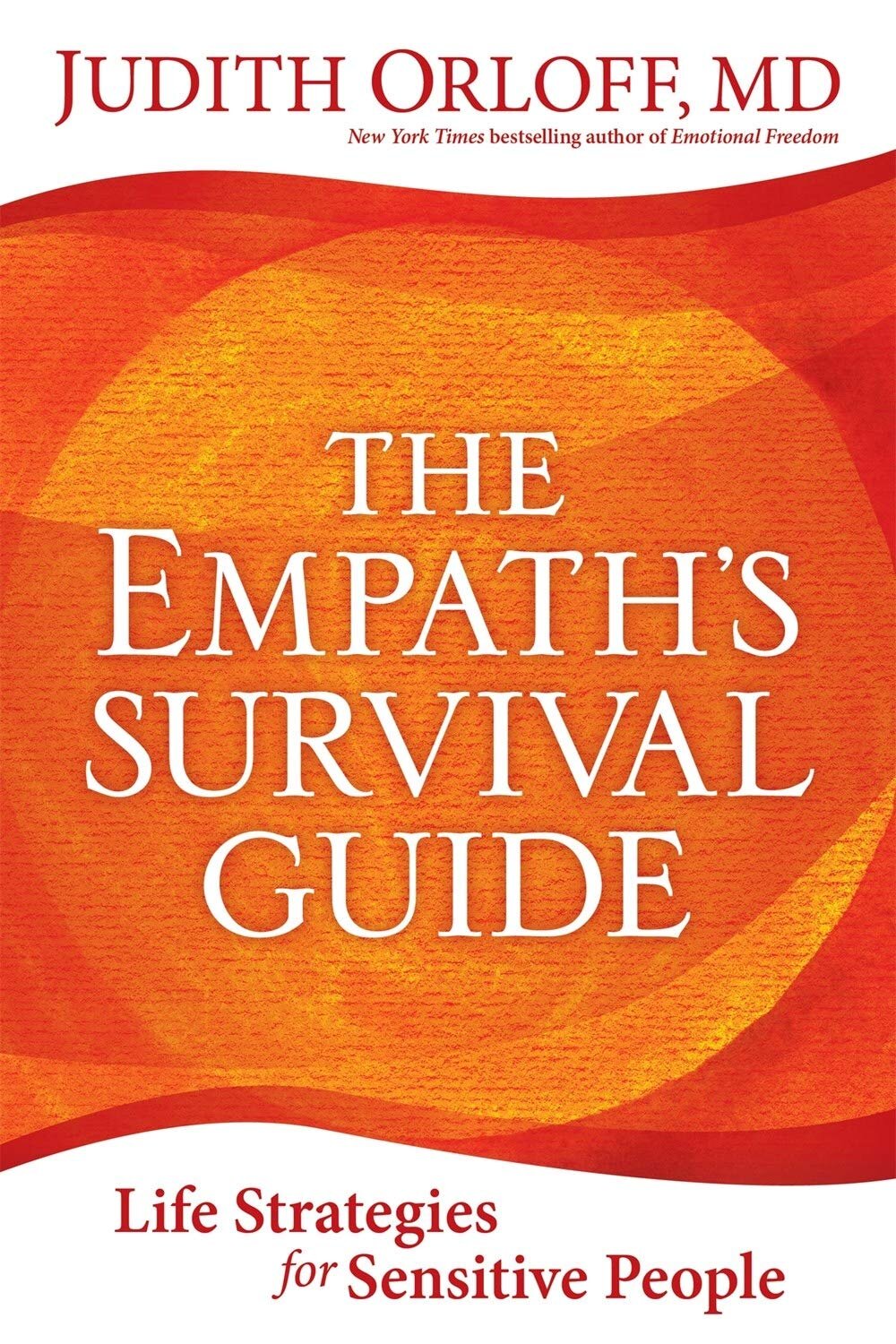
MARIA MENOUNOS: “This is tough. I can’t name just one, so here a few of my favorites:
In business, Money: Master the Game: 7 Simple Steps to Financial Freedom by Tony Robbins, because it inspired me to make necessary financial changes and set me up for the rest of my life.
In health, The Empath’s Survival Guide by Judith Orloff, M.D., because it helped me understand why I am the way I am.
You Are the Placebo: Making Your Mind Matter by Dr. Joe Dispenza, which taught me how the brain can create its own apothecary.
Ask and It Is Given: Learning to Manifest Your Desires by Esther and Jerry Hicks. I learned so much about energy and how to get what you want.”
NANCY SILVERTON: “A good novel to escape into. For the last few years that has been The Goldfinch by Donna Tartt, The Overstory by Richard Powers, The Neapolitan Novels by Elena Ferrante, and Southside by my boyfriend Michael Krikorian.”
RACHEL ANTONOFF: “I will always recommend Mary Karr's Cherry. It's a perfect book.”
JENNI KAYNE: “Any of Brené Brown’s books. I could read them over and over again and still and take away something new each time.”
GWYNETH PALTROW: “Dream Work by Mary Oliver.”
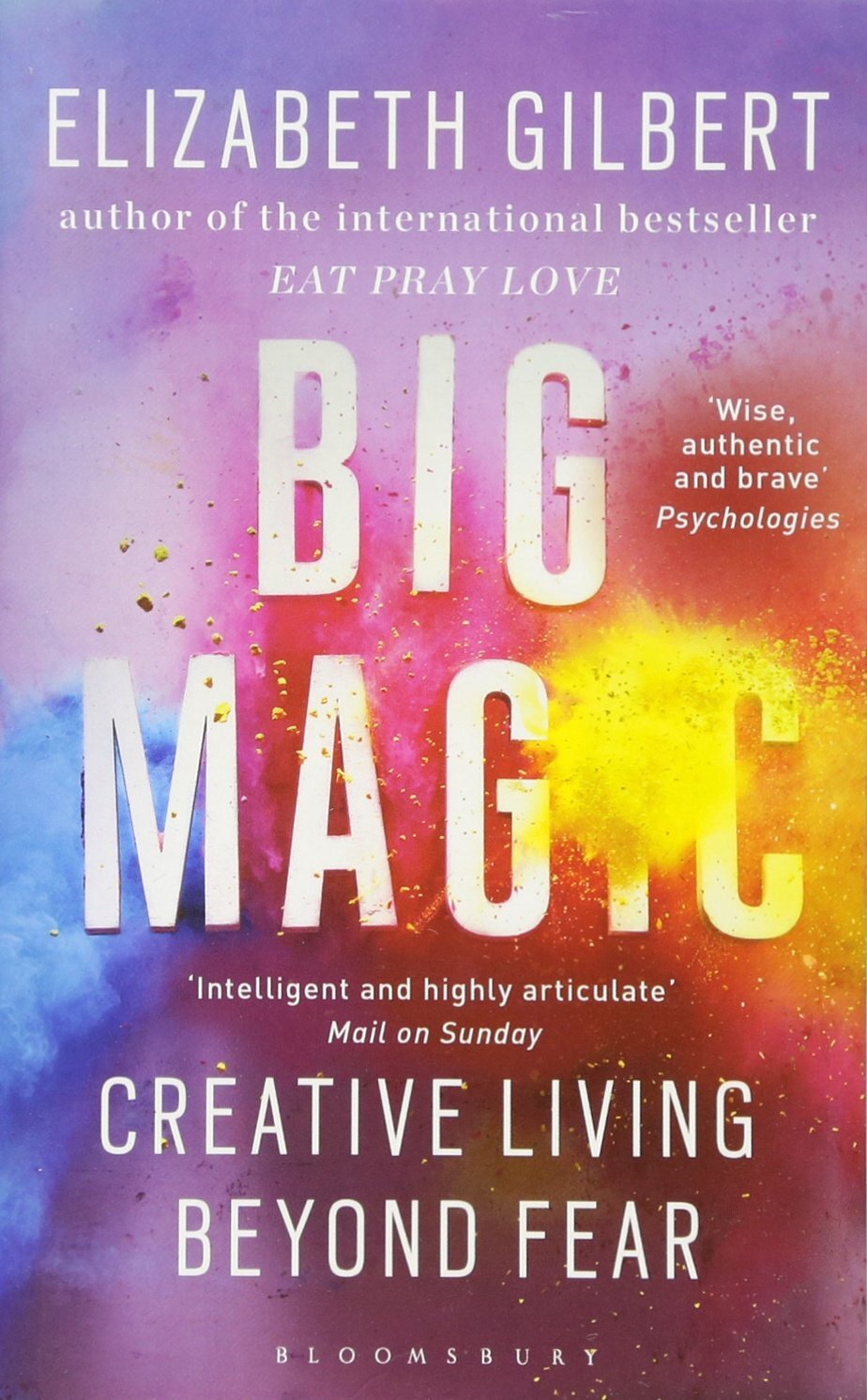

HAYLIE DUFF: “I love Big Magic by Elizabeth Gilbert. Encourages creative regardless of fears! Great read.”
NYESHA ARRINGTON: “The Four Agreements is my all-time favorite book! In The Four Agreements, Don Miguel Ruiz reveals the source of self-limiting beliefs that rob us of joy and create needless suffering. Based on ancient Toltec wisdom, The Four Agreements offers a powerful code of conduct that can rapidly transform our lives to a new experience of freedom, true happiness, and love. My dad gave me this book when I turned 21 years old. He is a very spiritual gentleman and I undoubtedly value his universal perspective of life. This is the most recommended ‘self-care’ book I tell people about and I have read/re-read it at least 20 times.”
LINDSAY ALBANESE: “For entertainment, I loved Bad Blood by John Carreyrou.”
CLEA SHEARER & JOANNA TEPLIN: “This may be an unusual answer to this question but… adult coloring books. They’re like our therapy and help to relieve stress after a long day. Seriously, go buy a coloring book and a pack of crayons and you'll thank us.”
SARAH BARTHEL: “I'm kind of a weirdo when it comes to books—the darker the better—so I'd recommend any Bukowski or Hubert Selby Jr.“

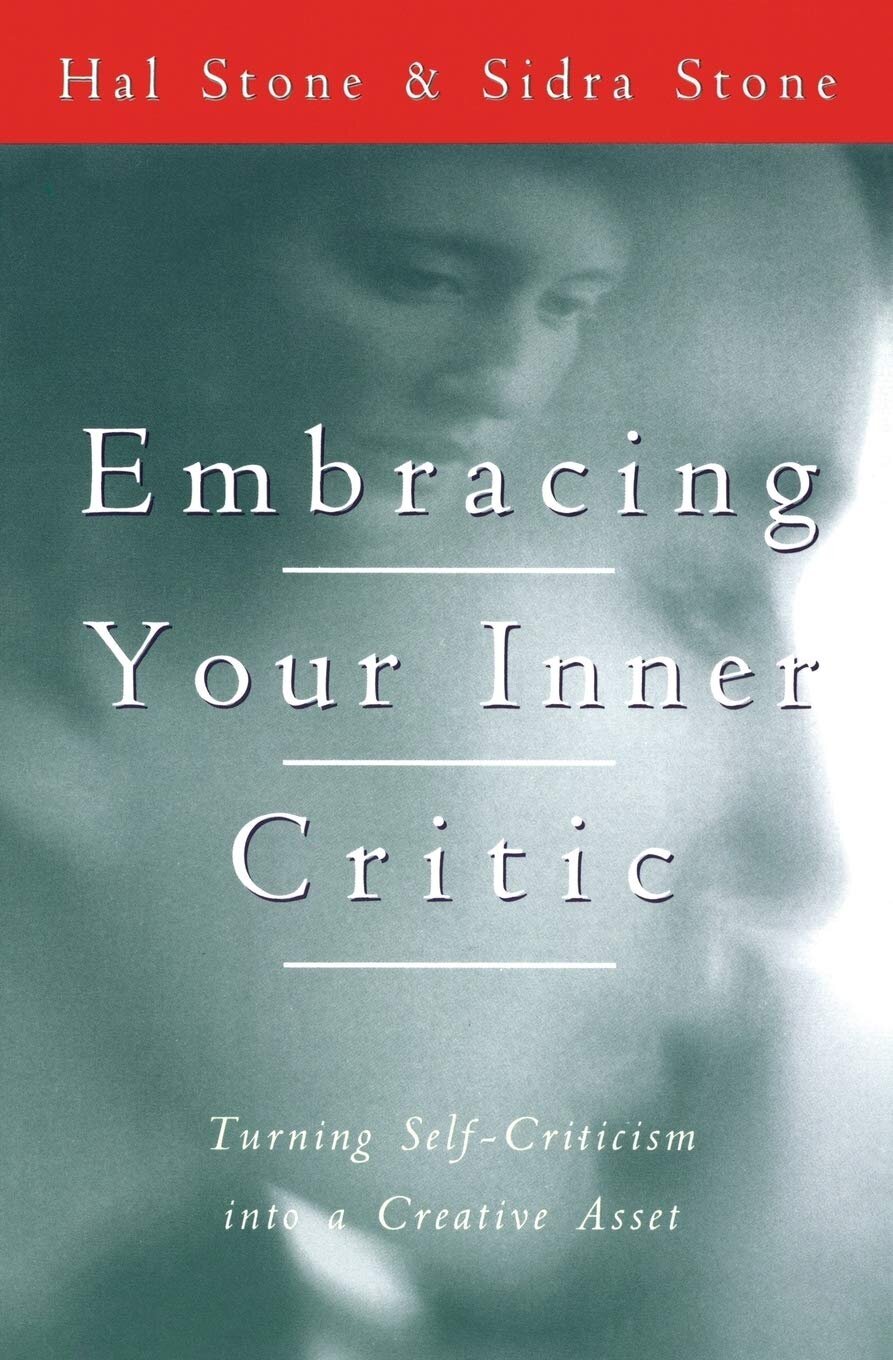
AISHWARYA S. IYER: “Embracing Your Inner Critic by Hal and Sidra Stone. It changed my life by helping me to overcome my own inner critic.“
TANYA RAD: “I just finished Calling in “The One” and I am obsessed with it!! It helped me learn so much about myself, my dating patterns, and helped me patch up some old wounds. Feel like 2020 is my year to CALL IN THE ONE, baby! Also, The Hollywood Commandments by Devon Franklin is soooooo gooood!!!“
MAMRIE HART & GRACE HELBIG: “Probably our own books, Mamrie's I've Got This Round and Grace's Guide. (Sorry, we had to get shameless plugs in.)“
ALYSSA RAVASIO: “I am an avid reader with towers of books constantly at risk of falling over, so this is really too hard, especially since it depends so much on the person I’m recommending to. Here are a few:
Braiding Sweetgrass by Robin Wall Kimmerer. She’s an amazing indigenous leader and teacher, and the book centers on the philosophy that people are part of nature, and how we have a responsibility to play our part in the ecosystem. A tangible example of this is that sweetgrass grows better when it’s responsibly harvested. “Leave it better” is really based on this mindset—at Hipcamp, we believe people can have a positive impact on the planet and believe it’s that kind of framing—versus a limited focus on reducing our negative impact—that will lead us to a healthier, more connected, and more regenerative future.
East of Eden by John Steinbeck. No book I’ve ever read more deeply captures the essence of humanity, in all its beauty and complexity.
The Overstory by Richard Powers. A deep examination of the relationship between people and trees.
Full Moon Feast by Jessica Prentice. A philosophical exploration of the culture around seasonal foods for both European cultures and indigenous American cultures. Plus great recipes.”
Photographer: Jenna Peffley
Hair: Styled by OGXpert & Celebrity Hairstylist Jillian Halouska
Meet this year’s Create & Cultivate 100 honorees and explore all 10 categories below.

Management 101: How to Prepare Your Team for Change in 2020
Prepare for it, implement it, and overcome resistance.
Keeping up with competition and new marketing avenues means that you need to change things frequently. Sometimes you can just make minor tweaks, but other times you have to implement a major process change.
Unfortunately, only about 26% of transformation initiatives succeed. What can you do to make your business one of the places that change sticks? It all has to do with how you prepare for a change, implement it, and overcome resistance.

Photo: Courtesy of Create & Cultivate
Preparing for a Major Change
If you’re in the position to determine what changes need to be made, the best advice is to include employees in the problem-solving process as much as possible. The more involved they are, the more likely they are to embrace and implement the new processes.
For instance, if customers frequently complain about turnaround time, you might create a new process designed to make things more efficient with the input of your staff who can give you an accurate look at what holds up their work. Or, perhaps you need to update a creative workflow to improve quality.
Once it’s time to communicate the change, think about who has the right skills to lead the initiative. Key change management skills include critical thinking, analysis, excellent communication skills, the ability to train people, and a deft touch with diplomacy.
Perhaps the right person is you! Or, it may be another leader in your organization or even a group of employees. The key is to know who will be most effective in leading the charge and to make sure they understand their responsibilities.
Research shows that one of the most common reasons for failure is that a plan is managed too top-down, with upper levels of leadership determining every detail of how change should happen. Experts say that success starts with focusing on every individual.
Implementing Change
The day has come—the change is ready to roll out. Congratulations! There are several steps to successfully introduce a new business process.
One key is to start small if you can. Is it possible to roll out the new initiative to a small group within your company that’s excited to try it? If so, the benefits that the group gets from the innovation may help prove its usefulness to more resistant staff members.
Whether you start large or small, it’s vital to communicate, communicate, communicate! Explain the problem the company was having and how the process modification will make a difference. Help your employees see the vision behind the change. More importantly, realize that all changes – even good ones – include some kind of loss to those involved. Even if the loss is simply that they were the fastest on the team and they might not be anymore, it could be a big deal to that individual. If you acknowledge and talk about those losses openly, it can help people overcome their fears and resistance. Ensure that productivity will likely fall while the team grows accustomed to the new change, and management is anticipating that.
Finally, if possible, walk through the implementation of the adjustment step by step, including a presentation of the intended changes and the timeline, so that employees do not feel caught off guard during any of the process. This will help people change their habits little by little, instead of having to throw everything out and start over. Also, people may have less opposition to small changes compared to large ones.
Overcoming Resistance
Handling resistance is a part of every change, especially significant ones. The good news is that if you do this well, you may build your team into a stronger unit than it was before.
The first step to overcoming concerns is to provide adequate training. Remember that a significant change won’t necessarily “take” on the first overview. You’ll need to train it, remind them, and possibly train it again. Remember that you’re trying to overcome ingrained habits—it takes time and patience.
Secondly, be sure to listen to and address concerns. You can create problem-solving teams to deal with bumps in the road that come up. Get employees to encourage each other to use the new process. Many times people respond better when they hear from a peer rather than a boss. Specifically, according to the Edleman Trust Barometer in 2017, trust in work peers is over 60% while trust in executives is below 38%. Plus, studies show that peer credibility is a key reason messages are heard or ignored.
Rewards or incentives tied to the new process may help as well. Be careful to define these clearly, because once people begin to get something extra it’s hard to take it away. You want to plainly say if the rewards are only available for the first month of the new process, for instance.
Finally, show everyone the positive results as they start to come in so that employees can see the fruits of their labors and fully understand why the change was made for the better. Continue to communicate about the process, concerns, and any problems that crop up. Over time, people will see the benefits and the new process will become much more second nature.
Protecting Your Business During the Change Process
Change isn’t just tough on your employees, it can be tough on your systems and software also. You need to make sure you are protected in case something goes wrong and you experience an interruption in your business.
One thing to do is to make sure you have a complete backup of all your data before the change goes live. You may want to make backups more frequently as the new process takes hold as well, just to be sure that you have what you need if something happens.
Consider getting business income insurance to cover you if you have an interruption in your operations. This coverage can help you with income, relocation expenses if needed, payroll, and more. Hopefully, nothing will go wrong, but it pays to be prepared.
Finally, you might consider slowing down your content production while the change takes hold. It’s a helpful way to reduce your responsibilities so that you can focus on the new process and training your employees to follow through.
Change Is Good—If It Sticks
The key to all change management strategies is that you want your new business process to stick. When you follow the steps outlined above, you’ll have a far better chance of that happening.
Managing change is scary, even for a business owner, but going through the process can make you a better manager. A team that does something challenging together is more cohesive as well.
You don’t have to be afraid of change. It’s a necessary part of being in business, and with these tips, you can navigate change management successfully.
About the Author
Jori Hamilton is a feminist writer from the Pacific Northwest who enjoys discussing social justice, empowerment, and how to improve the workplace. You can find more of her work in her portfolio here.
MORE FROM THE BLOG

How to Be a Shameless Self-Promoter (Without Inducing Eye Rolls)
Use poise, always (or risk being blocked from everyone’s social feeds).

Photo: Courtesy of Create & Cultivate
In an era of Kardashians and Kanyes, selfies and borderline obnoxious status updates, it seems like humility is a lost virtue. (RIP, modesty: it’s been real.)
Makes sense, right? Well, kinda. In these Tinder slash, Twitter slash, Instagram times, it’s all about showcasing the best of you with the best visual and in as few characters as possible. It’s also easier to have a certain arrogance when posting on social media because you literally have no filter (not to worry, by “no filter” I mean no reservations).
And even if it means shouting your accomplishments from the rooftops (or in Yeezy’s case, with consecutive ALL CAPS TWEETS), promoting yourself is necessary because if you’re not going to do it, no one else will do it for you. The trouble is, being boastful and plugging yourself constantly on social media and in-person can get annoying AF to your audience—but being humble might cause you to miss out on opportunities. And that’s no fun.
It’s a case of “don’t hate the playa, hate the game.” And it is, indeed, a game. So play by the rules, promote yourself with poise and come out a winner with these five tips:
SHOW, DON'T TELL
Whether you’re selling merchandise or your personal brand, hard facts speak volumes. So instead of posting that “You’re the best PR person in the city” on Facebook, opt for sharing photos of recent sold-out events you’ve organized. LinkedIn is the ideal platform for sharing news coverage about you, awards you might have received or listing recent achievements. Save Twitter as a playground for “quick hits,” such as any media coverage about you, recent articles you’ve written, or upcoming conferences you are speaking at, for example.
“Hard facts speak volumes when you’re your own PR hype.””
You can also leverage platforms like Levo to showcase your experience and your portfolio. Levo is an awesome website for creating personal profiles, where you can “tell your story” by adding all the cool projects you’ve worked on and connecting with your network.
Tip: Focus on the “why?.” So when listing your accomplishments, always demonstrate the value added to your potential clients and why you stand out from the competition. For example, if you’re a publicist, post your client’s media coverage and showcase the buzz your client’s product is receiving.
GIVE PROPS
Shouting out to people on your team, and anyone who helped you “make it happen,” is critical. For starters, the ability to give credit is a huge step toward being a successful manager, leader, or entrepreneur.
The magic of paying it forward on social media is also a key component to earning social capital. So if someone in your network tweets about an accomplishment, “heart” it and comment with a “Slay, girl. Slay!” (Feel free to insert relevant emojis.)
Go a step further and tweet about a female entrepreneur you know who’s killing it in her field, just to spread some love.
Giving credit to others on social media can even work with strangers, not only personal connections. They will appreciate the kindness, and many people might even return the favor. It’s all about social media karma!
BE A CONNECTOR
Knowing how to connect people to business opportunities or jobs is an amazing skill: it proves that you’re resourceful and have a vast network. If you’re the person in your squad who has this skill, use it! Your reputation as a master connector of people and ideas will spread — and it’s not something you need to shout from the rooftops either. Your clout will be clear.
AVOID CORPORATE JARGON
One of my personal pet peeves is when people spew corporate buzzwords in presentations and on their resumes, thinking it makes them sound credible. It goes something like this: “I suggest we deep dive into some blue-sky thinking that's high level so we can take a holistic approach.” It makes you sound like a robot, and more importantly, it takes away all authenticity. (More on this in a minute.)
While it’s key to sound savvy and relevant in your posts and social media presence, it’s also important to sound genuine. And yes, you might think you sound really smart with your corporate buzzwords, but they induce all kinds of eye rolls in my books.
BE AUTHENTIC
Authenticity is the most important part of knowing how to promote yourself with class. Not to get all Dr. Seuss on you guys, but no matter how you’re hustling, there’s a key mantra to keep in mind: no one else is YOUer than YOU. Others might have your skills and your experience, but no one else has your brand DNA: you know, all the things that make you, well, you.
Leandra Medine a.k.a. the Man Repeller is a great example of someone who has stayed true to herself. Her best-selling book Seeking Love. Finding Overalls and Man Repeller blog and brand are direct reflections of her personality, so when she promotes herself, she still seems real and slightly self-deprecating. This is part of her shtick and what has helped her gain celeb status.
So when speaking about yourself and promoting your recent wins, always make sure to stay true to your brand and personality. Authenticity is super valued in this era, so use it to your advantage.
THE RECAP
The truth is, you need to be boastful, confident and plug yourself constantly. Because if you don’t tell your story, someone else will. And in a sea of other bloggers/freelancers /creatives/career women/entrepreneurs, etc., standing out is critical to your success.
Now go forth and self-promote!
About the Author:
Karin Eldor is a coffee-addicted copywriter, with a long-time love for all things pop culture, fashion and tech. Ever since she got her first issues of YM (remember that one?) and Seventeen in the mail, she was hooked on the world of editorial content. After earning her Communications degree, she spent 6 years honing her craft as a Senior Editor for AskMen.com. More recently, Karin enjoyed gramming and strategizing as social media Manager at ALDO. Today, she is Chief Content Writer at 818 Agency and a social media consultant.
This post was originally published on April 28, 2019, and has since been updated.
MORE ON THE BLOG

How to Marie Kondo Your Career and Enter the Next Decade With a Bang
And go from job to joy.

Photo: Smith House Photography; Design: Ginny Macdonald
There’s not much room for debate. Marie Kondo is the Japanese organizing consultant who is transforming lives everywhere and despite her book, The Life-Changing Magic of Tidying Up: The Japanese Art of Decluttering and Organizing launching in 2011, Kondo continues to inspire people around the world to get their spaces in order.
In the book, she breaks down her two-pronged approach to cleaning. Step one: Physically touch your belongings, see if said belongings spark a sense of joy, and if they don’t, toss them. Step two: After you’ve done the dirty work and dumped those joyless items, put everything else back in a place where it’s easy to see, grab, and put back again.
It has brought countless people lasting results—to point, none of her customers are repeats. “In this book,” she writes in the Introduction, “I have summed up how to put your space in order in a way that will change your life forever.”
So we wanted to take her home tidying methods and apply them to work. Because WHY NOT? We want to change our relationship to work forever too! If she can work magic in the home, why can’t she work magic at the office?
Here are four KonMari methods that can be applied to your career, too and kick off the new decade with a bang!
KonMari Method Lesson #1: Tackle Categories, Not Rooms
Tidying by category is Kondo’s first rule. She says to start with clothing, then books and move on to items like documents and old photographs later. The reasoning is that things in like-categories tend to be spread throughout your house, not confined to one space.
How to apply this at work: This will be similar to time-batching, or grouping like activities together. Set aside time the morning for email, time mid-morning for conference calls, and time in the afternoon for writing, creative ideas, and brainstorming. Sure, there will be the odd bits of “clutter” that pop-up during the day-- the email that needs a response while you’re in the midst of your creative jive but batching helps you stay focused and on track.
KonMari Method Lesson #2: Picking Up Each Item and Asking, “Does this spark joy?”
For most of us, minimalism isn’t our strong suit. But from those in power suits to tracksuits, everyone can get on board.
In the book, this method is applied in the literal sense to the home. The clothes that are shoved in the back corner of your closet that you need to lose ten pounds to wear. The pile of books you keep meaning to read. Just because you bought it, doesn’t mean you own it. In fact, if it doesn’t bring you joy, it’s owning you.
“Just because you bought it, doesn’t mean you own it. In fact, if it doesn’t bring you joy, it’s owning you.”
How to apply this at work: The most obvious place you can start is your desk. You can apply the same method to stacks of papers, old receipts, empty bottles of Advil, and that half-eaten Snickers stashed in the back for a 2 pm sugar craving. If your desk is surrounded by “joyless” items that you don’t need for work or taxes, toss them.
Next. There are parts of all jobs that are joyless. From the startup founder who hates Quickbooks to the intern who can’t stand the tedium of stuffing gift bags. However, you can apply a minimalist mindset to your work by understanding what each piece of your work puzzle is contributing to the larger picture. There is a nugget of joy in each task. Even if it's just that at some point, it will be over.
If you’re a freelancer (and can afford to turn down jobs, which, we know is not easy) ask yourself if this project or client will bring you joy and if what you’re contributing will bring joy to other people.
KonMari Method Lesson #3: Put the Kibosh on Nostalgia
Many times through the book Kondo talks about nostalgia and hazardous sentimental attachments to our possessions. Whether it’s boxes of old photographs and birthday cards that lead us down a long and windy path of nostalgia and distraction while cleaning, to items we hold onto for no reason—aka your grandmother’s boots you're keeping even though they’re two sizes too small. Talk about a tropical depression. The nostalgia hurricane is real and it's ruling your life. Feeling strongly about stuff is okay but it can also be the enemy of tidy. Kondo says people keep things out of "fear for the future or attachment to the past.”
“Talk about a tropical depression. The nostalgia hurricane is real and it’s ruling your life.”
How to apply this to work: It's not just stuff kids! We have nostalgia and emotional attachment to ideas. So, what should we do to make space for bigger and better creative thoughts? Kill your darlings. That’s right. The creative ideas that keep falling dead in the water. Every single one of us has that “golden” idea that we can’t escape. The one we reposition and bring up in pitch meetings, the one we’re sure is going to hit with ONE client that simply never does. Accept that. Thank the idea for taking up space in your head and let it go.
Also, those notebooks full of half-baked ideas and sparks (ahem duds) of genius you jotted down and have never looked through—toss them. We know you’re saving them for that one time you’re going to need to reference a page scribbled on in 2007 but just say goodbye. If ideas are really that great, they’ll stick around. You don’t need to create a physical library of your own brain.
KonMari Method Lesson #4: Simplifying and Letting Go Feels Good, So GOOD
Yes! Getting rid of clutter and freeing up your home space feels great. You feel lighter, more free, and less emotionally tied to STUFF! When it comes to closets specifically the Marie Kondo method creates space between stuff. Your clothes have SPACE GLORIOUS SPACE to live and breathe! Dressing all of the sudden becomes easier when you can SEE everything! Decision making is easier when you love everything and therefore you become more efficient with your time! Exclamations abound!! (For real, this is happy, joyous stuff.)
How to apply this to work: You don’t have to do anything here! Once you start letting go of the clutter on your desk and in your head, you will free up space for the next steps. You’ll be giving your career the breathing room it needs to expand. It will also help you become more clear on what projects to say yes to, and which projects to turn down.
You’ll feel relief instead of anxiety, joy instead of a job.
What are some ways you can apply this method to work? Share in the comments below!
This post was originally published on September 15, 2016, and has since been updated.
MORE FROM OUR BLOG

8 Signs You Definitely Need to Dump Your Job
Know your self-worth.

Photo: Create & Cultivate
Spotting the warning signs of a bad relationship can be hard when you’re in the thick of it. Especially when you’re trying to stick it out for the sake of (insert life goal here). But a bad job, like a bad partner or friend, can be just as toxic.
We’ve all had horrible Mondays. Where we feel like crawling beneath our desk and hiding out or napping for a few hours. That’s normal— even if you’re in love with your career, off-days are part of the deal.
However, if driving to work is driving you low-key mental, or if it feels like every time you send an email, you’re sending off a tiny bit of your soul, it might be quitting time. You can suffer for your art, but don’t suffer for a job that’s going nowhere. If you’re looking for signs you should quit your job this may be just that sign.
Here are eight red flags that the milk in your work fridge has gone sour, and it’s time to turn a page. (Hello, mixed metaphors to represent your oh so confusing mixed feelings about your j-o-b.)
“if it feels like every time you send an email, you’re sending off a tiny bit of your soul, it might be quitting time.”
1. You feel creatively lost.
There are days when the ideas aren’t coming no matter how many cups of java you down, but IF you are coming up one espresso shot short every day, you might not be in the right job.
Before you take a dive into unemployment, try to do things that will reignite that spark with your job—like go to a lecture or take a class. If that still isn't working and you're drawing blank after blank, day after day, really consider why you think this job is the right job.
Sometimes things just fizzle out, and the best thing we can do for ourselves is realize that it doesn't have to be horribly wrong, for it not to be right.
2. You have an abusive boss.
Bosses, like partners, can be abusive. People who take advantage of their position of power. But being in charge doesn't give anyone the right to treat employees like animals.
If heading into your boss’ office is something you dread because you know no matter what you do it won’t be good enough, it's time to reevaluate the situation. I once had a boss throw trash at my head (yes, for real). I was out the door shortly thereafter.
Know your self-worth and trust in that.
3. You’ve consulted everyone you know about hating your job.
Happy hour? What’s that? When you meet your friends after work, all you do is complain. About work.
The problem with negative energy is that little by little it starts to infiltrate every other part of your life. Others relationships suffer, and you become um, insufferable to be around.
Don’t let this happen. If your friends are avoiding your phone calls, there’s a good shot your endless complaints about work are dragging them down as well.
“If your job makes you feel legit sad and question everything you’re doing with your life, it’s high time to move on. ”
4. You’re compromising your morals.
If you’ve found that you’re moving toward the Dark Side, without having any desire to do so, it’s either time to stand your ground, or change the ground your standing on.
Sometimes at work we are asked to do things we aren’t entirely comfortable with—but these should be things that advance our careers. For example, you don’t like public speaking, but your boss asks you to give a presentation—this is a step outside your comfort zone that’s beneficial to progress.
However if you’re being put in ethically, morally, or even illegal situations, no job is worth that risk.
5. You can’t come up with five good reasons to stay.
Pro and con this beast. Make a list, check it twice, and if you don’t have five really solid reasons to keep your job—financial security aside—it might be time to start getting your ducks in a row.
6 . Your job gives you every kind of the sads.
You know that feeling when you’re up at night, wondering why your dude is ignoring your calls, and you feel sad, lost, drained, pathetic? If your job makes you feel legit sad and question everything you’re doing with your life, it’s high time to move on.
7. Your mom thinks you should quit.
Let’s consult Justin Bieber on this one. If you can sing, “My mama don’t like you and she likes everyone,” about your job… remember: Mom is always right. She was right about that 10th grade boyfriend, and she’s right about this job.
8. You're letting other opportunities pass you by.
Some people in relationships are never satisfied because they are always on the lookout for the next best thing. That's not what I'm suggesting.
But if the work universe is offering up an out—or a better job, or maybe even a less financially lucrative, but potentially amazing job, and you're not taking it out of fear—close your eyes and take a leap.
More often than we care to admit, it necessary to take a step back in order to alter our course, and start down the more meaningful path.
This story was published on February 18, 2019, and has since been updated.
MORE ON THE BLOG

OLD NAVY's Kim Brennecke Doesn't Believe in Inbox Zero—Here's Why
And for that, she’s our everyday superhero.

We often look to the iconic leaders of our time for motivation and wisdom, but for many of us, this is purely inspirational and not as applicable to our everyday lives. We truly believe there is more benefit in looking to your left and seeking out a peer-to-peer mentorship with a colleague or friend you admire. Why? Firstly, they will likely have the time to be your mentor, and secondly, their advice will be relatable and allow you to see your path clearly while keeping your mind open to new ideas, identifying new opportunities, and helping you self-advocate. We call them everyday superwomen. In this new C&C series, we talk to the women who are paying it forward, lifting other women up and paving a smoother path for the next generation to come.

Photo: Courtesy of Old Navy.
It might seem from the outside looking in that the career paths of people you admire are linear, but when you take a magnifying glass to their trajectory, you quickly realize that it’s not straight at all. In fact, it’s full of false starts, sharp turns, and winding roads—some even have turn-back signposts. Knowing that can provide a sense of relief to all of us who are still navigating a particularly challenging fork in the road. When you’re unsure which direction to take, take comfort in the fact that even the most successful people have all been there too, and that it’s all part of the journey.
Kim Brennecke’s path hasn’t been straight and narrow, either. She might hold the esteemed position of Senior Director Design of OLD NAVY Active now, but she actually started her studies in drawing and painting before moving into a fine arts degree in fashion and working her way up—but growing up she wanted to be an architect or an archeologist!
So, read on to learn more about her non-traditional career path, how to get out of “being stuck,” and why inbox zero is a myth.
CREATE & CULTIVATE: What did you study in school and what did you want to be when you grew up?
KIM BRENNECKE: I sort of went to college twice. My first degree was in fine arts with an emphasis in drawing and painting, then I decided I wanted to study fashion so I returned for another fine arts degree in fashion design. All-in, it was seven and a half years of a college education. Growing up I wanted to be either an architect or an archeologist.
What are some of the earlier jobs that helped to shape your career/path?
In between my degrees I took a job working retail at Urban Outfitters. I’d always loved clothes and fashion, but this was my first exposure to thinking about trends, the commerciality of product, and visual merchandising as it relates to the consumer. I was completely fascinated by how placement and adjacencies in-store impacted the sales. It was really around this time that I began to understand that a career in fashion was a thing, and I began researching and applying to design schools.
What challenges have you faced along the way? What did you learn from them? How did they prepare you for your job now?
I think one of the biggest challenges I faced, that I didn’t realize until I was out of it, was being stuck. Sometimes when you are in the same position for a long time, you start to build up a lot of walls that you don’t realize are there. I remember making a position move that I wasn’t initially excited about, but what I found was moving into a new role that I knew nothing about, re-energized me and engaged me in a way I hadn’t realized I had stopped being in my previous role. That experience opened me up to trying new positions when they presented themselves and being self-aware of when I feel stuck and may need to make a change.
Tell us about your role at Old Navy? What does it entail? Did you work your way up? What were the positions along the way?
My current role is the Senior Director of Old Navy Active, which essentially means I lead the Active Design Team for all active product for the family. In this role, I identify the active design strategies by division and work with my team to bring them to life through the lens of seasonal trends. I have been with Old Navy for nearly 13 years, and have worked my way up from Designer, Women’s Woven Bottoms and Outerwear. I have held many different positions during my time with the brand, including Senior Designer of Old Navy Outlet and Design Director of women’s knits, sweaters, and fleece. I also briefly led the Athleta Girl’s design team, before returning to Old Navy for my current role.
“I haven’t had inbox zero since 2007.
”
What do you love most about your job and why? Does the reality of your career match up to your expectations?
I love the collaboration, problem solving, and building something with a team. It’s always a great feeling to have an idea, see it through production, setting in stores, to then seeing people react to it, whether wearing it on the streets or posting on social media #oldnavyactive! The reality of my career looks much different from what I thought a career in fashion would be when I was in school, but I get so much satisfaction from what I do, that I can’t imagine it any other way.
What can you tell us about the culture at Old Navy? What has encouraged you to stay?
I think Old Navy has a really unique position amongst apparel brands as being a place of true collaboration. I really think it is fundamental to how we work. I continue to stay because I feel I am a valued member of the team and my contributions are welcomed and accepted, and as a team, we are constantly evolving and improving.
Talk us through your daily tasks and what a day in the office looks like for you? What’s the most rewarding part of your day?
Really no two days are alike, which I love. Some days are spent researching or building color palettes or putting together a trend point of view to inspire the team and sell ideas to our cross-functional team. Some days are spent reviewing sketches with my team or reviewing proto samples or troubleshooting a production issue. There are some days that I never see my desk. But the most rewarding part is always the time I spend brainstorming and building ideas together with my team.

What does your morning, pre-work routine look like? What rituals set you up for success?
My morning routine generally revolves around food! I try to eat pretty clean, and in order to do that I usually try to fix my breakfast and coffee at home, as well as pack snacks and a water bottle (with mint and lemon) to get me through the day. And if I’m really on top of things, I’ll pack my lunch too! I also dedicate a few minutes to checking my schedule for the day and scanning my email to see if anything urgent has come up since the previous day. It’s nice to be prepared for what the day will bring before arriving in the office.
Your role requires you to be across so many facets of the business—how do you manage your time effectively? What is your greatest productivity hack? How do you get it done?
I really couldn’t do my job without my Outlook calendar and the means to access it from my phone. I have to stay on top of my calendar, especially because I oversee active for all divisions and there are times that milestone meetings are happening simultaneously. I am constantly trying new ways to stay on top of everything, some stick, some don’t, but my phone continues to keep me on track.
Do you ever reach inbox zero? Do you believe in that? What is your inbox philosophy?
I haven’t had inbox zero since 2007. But I generally try to read every email by the end of the day and respond if needed, in as timely a manner as possible. My inbox philosophy is to save everything that I might need someday.
“You really have to remember that everyone’s opinion is valid, including your own.”
What is one of the biggest misconceptions about your job?
That all I do is create and draw clothes all day long. I haven’t actually physically designed anything in years! Most of my job is strategizing and problem solving. It’s kind of like doing puzzles all day long, which is hugely creative, but in a different way than pen to paper sketching.
If someone wanted your role specifically, what advice would you give them on how to land their dream job/your current job?
I would suggest getting as much design experience, in as many different areas as possible. What is unique about designing active product is that it covers a wide range of products, from knits to wovens, outerwear to baselayer, and true performance to lifestyle. And this role specifically covers mens, womens, girls and boys.
Have you seen a consistent standout quality or personality trait of successful people in this industry?
I think flexibility is really important in this industry. This is one of the most dynamic businesses you can be in, and you have to be able to change course as needed. This doesn’t mean that you should be a pushover with no point of view, but in the long run, there is strength in flexibility and weakness in rigidity.
What’s the best piece of advice you’ve been given? And what’s the worst piece of advice you’ve been given?
I think the best piece of advice I’ve been given is to trust myself and trust my instinct. The beauty of this business is that it's subjective and there is no wrong answer. The challenge with this business is that it’s subjective and everyone has their own opinion. You really have to remember that everyone’s opinion is valid, including your own. Luckily, I don’t think I’ve been given bad advice.
“The best piece of advice I’ve been given is to trust myself and trust my instinct.”
If there was one person you admire that you could power brunch with, who would it be?
I’ve always admired Richard Branson, and how he has built his brand through failures and successes. He is incredibly supportive of entrepreneurship and mentoring, so I see him as someone that could offer a unique perspective from an innovation point of view, as well as how to be an effective leader. I also love that he prioritizes his family and living life to its fullest.
In your mind, what’s a perfect interview outfit? Why? Explain?
The perfect interview outfit is anything that you feel comfortable in that also looks like you’ve done your research into the brand/company you are interviewing with. This is the first impression for your interviewer to see you in the role, and as much as you can look like you belong there, the better off you will be. And there’s no better time to be comfortable in your clothes than in an interview, as you want to be focused on your conversation, and not distracted by an outfit that feels forced or contrived.

I Was Drowning in Self-Doubt Until Create & Cultivate Shifted My Mindset
Gems to keep with you forever.
Written and submitted by Patrice Boswell after attending her first-ever C&C conference in San Francisco.

Photo: Courtesy of Patrice Boswell
Like most Create & Cultivate first-timers, I did my homework to prepare for the big day. I scoured C&C's site for articles on networking, what to pack in my purse, and what to wear. Anything that would give me insight on what to expect.
Even so, I arrived at the conference feeling anxious and out of my depth. The hours of note-taking, online shopping, and designing business cards didn't boost my confidence.
Because my problem wasn't unpreparedness, it was self-doubt. Believing I didn't belong in the same space as creators, inventors, and entrepreneurs. The same self- doubt that has kept me from doing the one thing I desire the most, writing.
They say you should surround yourself with people you want to be like. Create & Cultivate allowed me to surround myself with other storytellers.
And here's how the conference shifted my mindset.

“The little wins matter because they make the big victories more attainable.”
—Patrice Boswell
Sense of Community
I attended the event solo, but I had so many event buddies. I met my first buddy in the entrance line, and we, of course, became each other's photographers. I learned about the history of the venue by talking with someone over breakfast and I had honest conversations about inclusivity between panel discussions and lunch. From the beautiful interior design to the bomb playlist, C&C curated an experience that set the tone for a good time. And you make friends when you're having a good time.
Most Inspirational Moment
The spotlight conversation highlighted the journey of a boss woman, Cindy Eckert who broke down barriers for a cause that was bigger than herself. She fought so that women could have options when it came to sexual desire. She illuminated a problem that was being ignored and provided a solution.
Women are often taught to compete against one another, which leads to independent success. But we're at our best when we're working together for the betterment of one another.
"Speak up, stand up, and lock arms."
Her efforts will transform the lives of many. That's a humbling revelation. The best work is the work where we're in service to others.

“Women are often taught to compete against one another—which leads to independent success—but we're at our best when we're working together for the betterment of one another.”
—Patrice Boswell
Biggest Takeaways
The keynote speakers, panel discussions, and mentor sessions provided the best advice.
"Refine your intention for why you want to do what you want to do."
To create authentic content, you have to stand for something and let it be the center for everything you do. You're less likely to get distracted by shiny fads when you remain true to your purpose.
"Connect unexpected dots that cross your path, at different times in your life."
You must pay attention to what's going on around you. There's inspiration everywhere, and a great idea can come from anything. Experience life with fresh eyes and ears wherever you go. In everything that you do.
"Go where the momentum is."
When you focus on the trees, you lose sight of the forest. This tunnel vision makes it hard to take inventory, reevaluate, and pivot. If something's not working, you're allowed to stop and ask why. You're allowed to try new things and go a different way. Even if it's not the path, you intended.
"If you want to be interesting; be interested."
Just because things are a certain way, doesn't mean you can't deviate. Do what's exciting for you. Whatever makes you tick, focus on that. That's what sets you apart from the person in front and behind you.
"Make and keep promises to yourself. It will build your confidence."
We're busy; things get pushed aside and never get done. But if we make small goals for ourselves, we're more likely to accomplish them. The little wins matter because they make the big victories more attainable.
Victory Moment
For me, being a contributing author for Create & Cultivate's blog is a big victory. After attending the conference, I devoured the pages of my journal. I then promised myself to pitch an idea to the editorial director. And I did. I wasn't sure where things would lead, but the small victory of sending the email was enough. Enough to build my confidence, which put me in the right frame of mind to create.
That's what the Create & Cultivate conference did for me. It inspired and motivated me.
Join us on February 22 for our Los Angeles Conference! It’s going to be one of our biggest ever with panels, experiences, networking, workshops, and so much more. Buy your tickets today because this one is going to sell out!

2 Four-Letter Words That Will Annihilate Your BS Excuses (Are You Ready for This?)
“The biggest barriers are often in our own minds.”—Marie Forleo.
Excerpted from Everything is Figureoutable by Marie Forleo with permission of Portfolio, an imprint of Penguin Publishing Group, a division of Penguin Random House LLC. Copyright Marie Forleo, 2019.

“No matter what we’re trying to figure out, the biggest barriers are often in our own minds.”
—Marie Forleo
Chapter 4: Eliminate Excuses
The worst lies are the lies we tell ourselves - Richard Bach
Don’t feel sorry for yourself - Only assholes do that. Haruki Murakami
Ever had a morning like this? You went to bed with every intention of getting up early. You were going to work out, meditate, write—you know, finally become that incredibly productive human you know you can be. Now the phone is vibrating next to your head. Already? Noooo! It’s so dark. It’s so cold. Sleep is really important for my health, right? Just five more minutes. Five minutes pass. Okay, maybe ten more. By the time your feet hit the floor, you’re chasing the day. The dog is begging to be walked. Your phone is blowing up from an unexpected meltdown at work. You notice a stain on your shirt after you’ve walked out the door. Cue David Byrne: Same as it ever was, same as it ever was.
Now, what about a morning like this? Your eyes pop open in the dark. You turn your head and grab the phone. Really, only 4:30 a.m.? The alarm isn’t set to go off for another hour. Your flight doesn’t leave until 8:45 a.m., but you’re so pumped for this trip that you can’t sleep another minute. You hop out of bed, work out, and head off to the airport—early.
What’s the deal? How is it that sometimes we’re able to effortlessly get ourselves to do exactly what we need to do, but other times it’s a struggle? What holds us back from consistently performing at the levels we’re capable of?
To find the answer, we have to look inside. No matter what we’re trying to figure out, the biggest barriers are often in our own minds:
I need to start working out again, but I’m just so busy with work and the kids. Can’t do it—no time.
My finances are a mess. No matter what I do, I can’t seem to get ahead. I’m just not a numbers person.
I really want to take that design class. It could open up a whole new career! But it’s too expensive—I can’t afford it.
I wish I could meet someone special. But I don’t have the time for dating, I’m too old, and besides, all the good ones are already taken.
Sound familiar? My hand is raised because I’ve said things like this to myself. Many times. But here’s the truth: One of the biggest obstacles that hold us back are those excuses. The little lies we tell ourselves that limit who we are and what we ultimately accomplish.
Everybody makes excuses from time to time, so don’t feel bad. But if you’re committed to figuring things out, all excuses have got to go. It’s time to call yourself out and uncover all the ways you bullshit yourself. Once you get honest about how flimsy your excuses really are, you’ll reclaim not only enormous stores of energy but also your power to change.
Two Four-Letter Words That Will Annihilate Your BS Excuses
Let’s start by looking at your language and two common words that blur your ability to be honest with yourself. Those two four-letter words are “can’t” and “won’t.” Think about how often people say some version of the following:
I can’t get up and work out every day.
I can’t find the time to get writing done.
I can’t forgive her for what she’s done.
I can’t take that job, it’s across the country.
I can’t ask for help.
I can’t ask for a promotion because I’m not good enough yet.
I can’t launch this project because the boss didn’t approve.
I can’t __________ [take the class, learn the language, start the venture, etc.] because I can’t afford it.
Here’s the problem: 99 percent of the time when we say we “can’t” do something, “can’t” is a euphemism for “won’t.” What does “won’t” mean? “Won’t” means we’re not willing. In other words . . .
You don’t really want to.
You don’t want to do the work.
You don’t want to take the risk.
You don’t want to get uncomfortable or be inconvenienced. It’s simply not a big enough or important enough priority.
Before you disagree or find exceptions (which there are), humor me for a moment.
If you consider how this might be true in your life, even a portion of the time, you’ll break free from the vast majority of self-deceptive crap that holds you back. For example, go back to all those statements and replace “can’t” with “won’t.” You’ll discover something much more honest:
I won’t get up and work out every day.
I won’t find the time to get writing done.
I won’t forgive her for what she’s done.
I won’t take that job, it’s across the country. I won’t ask for help.
I won’t ask for the promotion.
I won’t launch this project because the boss didn’t approve.
I won’t __________ [take the class/learn the language/start the venture] because I won’t afford it.
In my life, whenever I say, “I can’t,” most of the time what I really mean is, “I won’t.” I don’t want to. I have no desire to make the sacrifice or put in the effort to get that particular result. It’s not something I want badly enough, or something I want to put ahead of my other priorities. Saying that you don’t want something (or don’t want to put in the work or sacrifice to get it) doesn’t make you bad or lazy. It makes you honest.
Here’s why this distinction is important, especially when it comes to leveraging the figureoutable philosophy. Often, when we use the word “can’t,” we start to behave like victims—powerless against our circumstances. It’s as though we have no control over our time, energy, or choices. We take no responsibility for our lives.
When you use the word “won’t,” you feel and behave more powerfully. You remember that you’re in charge of your thoughts and actions. YOU get to determine how to spend your time and resources. You’ll feel more alive and energized and free because you’re taking full responsibility for the state of your life.
Speaking of taking responsibility, a quick reminder about an essential universal principle:
You are 100 percent responsible for your life.
Always and in all ways. It’s not your parents. It’s not the economy. It’s not your husband or your wife or your family. It’s not your boss. It’s not the schools you went to. It’s not the government or society or institutions or your age. You are responsible for what you believe, how you feel, and how you behave. To be clear, I’m not saying you’re responsible for the actions of others or injustices that have happened to you—but you are responsible for how you respond to the actions of others. In fact, lasting happiness can only come when you take 100 percent responsibility for yourself.
Now you might say, “Marie, you don’t know my story. So many horrific things have happened to me that aren’t my fault, that are outside my control, and that I didn’t choose. How can I be responsible for that?” Or you might say, “But, Marie, things are happening to me right now that I have no control over because of the culture and society I was born into. How am I responsible for those things?”
You’re right. There are external forces, situations, and social constructs that affect us all. What’s crucial to understand is that no matter what happened in your past or what’s happening now, if you’re not at least willing to take full responsibility for your life—which includes your thoughts, feelings, and behavior—you give up the power to change it.
Tiffany, a psychotherapist in San Francisco, wrote to me and said:
“It’s easy for those of us who come from modest backgrounds or have generational histories of social trauma and disenfranchisement to be bogged down by the weight of despair. As the daughter of my once impoverished African American dad, I inherited the hopelessness that comes from a legacy of being beaten down, having rights removed, fighting and then having one’s land, home, family wrenched away no matter what you do. In tiny ways, that mentality would defeat my efforts. I’d start something, come upon an obstacle, and grow sad, not realizing that I could figure it out. I DO have the resources to make something happen. Marie, you taught me this! As someone who has struggled for YEARS with how to know how to move forward and then do it, one thing you said changed my life. EVERYTHING IS FIGUREOUTABLE.”
To be clear, taking responsibility doesn’t mean staying silent about injustice. It doesn’t mean blaming or shaming yourself. It doesn’t mean beating yourself up or living with constant guilt. Instead, taking 100 percent responsibility for your life means recognizing that you’re in charge of deciding how you feel and who you wish to be in response to what happens now and in the future.
Could you imagine if Malala Yousafzai felt she wasn’t old enough, privileged enough, or strong enough to champion girls’ education? Remember, Malala was a preteen at just eleven years old when she began to fight for girls’ rights to go to school. She was only fifteen when she was shot in the head by the Pakistani Taliban during an assassination attempt. Remarkably, she survived and addressed the United Nations on her sixteenth birthday. At seventeen, she was the youngest person to ever receive the Nobel Peace Prize. Malala refused to allow a bullet to the head to become an excuse to stop advocating for education.
The best years of your life are the ones in which you decide your problems are your own. You do not blame them on your mother, the economy, or the president. You realize that you control your own destiny - Albert Ellis
Love what you’ve read? Then shop the book below and start figuring our your life, stat:

Everything Is Figureoutable
by Marie Forleo—$18

I Want Your Job: How OLLY's Marketing Manager Landed Her Dream Role (and How You Can Too)
Make it happen.
This post is in partnership with OLLY.
How many times have you peered voyeuristically into the lives of people you admire via social media, video, or published interviews and wondered what it must be like to do their job? We’ve all been down that research rabbit hole on our quest to create and cultivate the career of our dreams but often we’re still left pondering about the realities of their day-to-day—so, what is it really like? Well in this series, I Want Your Job we uncover the truth by getting down to the nitty-gritty on what it’s actually like to work in your quote-unquote “dream job” and if the reality stacks up to the expectation.

"You will never know unless you try and if it doesn’t work out or wasn’t what you expected, you have to look at it as a step forward to get you where you’re meant to be."
—Mari Mazzucco, Marketing Manager, OLLY
Passion. We all have it, but so many of us feel as though we can’t dive into what brings us joy because it doesn’t entirely align with our career goals. Well, what if we told you that pursuing your passions could actually strengthen the skills you need for your career?
Nobody is greater living proof of this than OLLY marketing manager, Mari Mazzucco. After falling in love with art history in high school, Mazzucco majored in the subject in college and pursued internships at museums and galleries before getting her first job. While she didn’t realize it at the time, studying art history actually granted her the foundational skills needed to enable her career in marketing. How, you ask?
This may sound far-fetched, but our interview with Mazzucco proves that when it comes to pursuing both your personal and professional goals, you can have your cake and eat it, too. And that every job along the way, no matter how big or how small, are all cumulative towards your end goal.
Don’t believe us? Read on and see for yourself.
On her career journey…
“I originally had accepted an offer after graduating at a contemporary art auction house, but when a friend introduced me to the founders of a soon-to-be-launched basics brand, I put the art world on hold and joined their team. I really lucked out. The company was small and leadership was supportive, allowing me to explore and take ownership of different roles. I quickly learned that I was passionate about marketing, and worked my way up to managing everything from social media to copywriting and editorial. Influencers were just starting to emerge as an alternative marketing channel and I soon realized this was something I wanted to pursue further.
“I met the founders of Collectively and was impressed with how they humanized the brand-influencer relationship. It wasn’t about being transactional, but rather a true mutual creative endeavor. I joined their team as a community manager, and then took roles in campaign and account management. Agency life is fast-paced and you work with a diverse range of brands, so you’re constantly met with new challenges. It can be stressful but rewarding to see innovative partnerships come to life.
“I had been following OLLY since launch, and when I saw they were hiring I immediately jumped on the opportunity. I was looking for roles that would allow me to work cross-functionally and to expand my knowledge of marketing and general business. I originally started as the influencer lead, and since then, the role has expanded to PR and partnerships. It’s been amazing to be a part of the OLLY journey, from startup through Unilever acquisition.”
On what she studied…
“I majored in art history. It was a required course in high school and I instantly fell in love with the subject, knowing that I wanted it to be an academic focus for me in college. Not only do you obtain a solid understanding of design and aesthetics, you learn how to be an analytical and creative thinker, and a strong writer, public speaker, and researcher. I didn’t realize it then, but I was creating the foundation I needed to have a career in marketing.”
On interning before she landed the job…
“Leading up to my first job, I had only interned at museums and galleries, so I never had traditional marketing or communications work experience. One of my most memorable internships was at the Legion of Honor Museum in San Francisco. I spent the summer working with the lead curator of the Achenbach Foundation for Graphic Arts, assisting with research and curation for the Impressionist Paris: City of Light exhibition, featuring works on loan from the Musée D’Orsay. It was incredibly tedious and it taught me that no task is ever too small.
“Finding ways to gain experience within particular roles or fields of interest is the best way to determine what you want professionally. You will never know unless you try and if it doesn’t work out or wasn’t what you expected, you have to look at it as a step forward to get you where you’re meant to be.”

“When you’re looking for a job, make sure you research the people, not just the role or the company.”
—Mari Mazzucco, Marketing Manager, OLLY
On what her day-to-day looks like…
“If I’m honest, it’s a lot of emails, meetings, and calls (and many coffee breaks in between). But if I were to break it down, really my day-to-day consists of everything from campaign planning and ideation, contract negotiations, budget management, content reporting and analytics, content review and creative briefing, and every once-in-a-while, events, meetings with editors, and photoshoots. I work closely with brand, social, and e-commerce to ensure we’re executing a true 360 approach.”
On the common misconceptions of her job…
“It’s definitely not as glamorous as it may seem and there’s no one set approach or formula to influencer marketing. Because these are true relationships, you have to be flexible and agile. I’ve found that the strongest performing content is often a result of brand trust—if you feel like you need to be heavily involved in the content creation process, then it probably isn’t the best fit.”
“I’d say that when you’re looking for a job, make sure you research the people, not just the role or the company.”
On advice for young professionals…
“Take the time to reach out to people who work in the field or role you’re interested in. Whether you find them on LinkedIn or meet at events like Create & Cultivate, never be afraid to ask for time to connect. People are more eager than you realize to discuss their own career experiences and to help out. Be direct about what you’re hoping to gain from your meeting, do your research, and prepare questions.”
On the importance of mentors…
“Absolutely. Mentorship affords you the opportunity to reflect on your own professional practices and to seek that of others. Personally, the relationships I’ve developed within and outside our organization have been key to my professional growth. In some instances, it’s actually directly led me to my next job.”
On career podcasts to tune into…
“How I Built This with Guy Raz is my favorite podcast. It tells the stories behind some of the most well-known companies and innovators. I tend to listen whenever I feel like I’m in a bit of a creative rut.”

On what keeps her motivated on challenging days…
“Working with such an intelligent and driven group of people. Anytime I feel a sense of doubt, I know I have a network I can turn to for advice and input. I’d say that when you’re looking for a job, make sure you research the people, not just the role or the company.”
On the OLLY initiative, she’s most proud of…
“It’s hard to choose just one! We’ve worked with Makeup by Mario for the past few years, and in the spring launched a co-branded product, which was a really exciting evolution to our partnership. In general, though, it’s been so rewarding to see how awareness and sentiment have changed over time, particularly via engagement with our long-term ambassadors. At first, many had not heard of OLLY or tried our products, but now when you scroll through the comments you see people say how obsessed they are, how it’s improved their health, and really changed their quality of life.”
On her best work hack…
“There is great power in the art of list-making. I make lists for everything, and especially on the days or weeks that I have a lot going on, it really helps keep my mind sorted, which is half the battle to get things done. Sometimes this can get daunting, so I break it down by day or even hourly. I find that when you complete even the most simple task, that sense of accomplishment helps keep you motivated. When I really need to head down, I put my phone away (easier said than done), block off time on my calendar, and find a quiet space.”
To discover more about OLLY visit, olly.com.
MORE FROM THE BLOG

"Your Voice Is Power": Dynamite's Director of Product and Brand on How to Boss Up Your Career
You’ll want to write this down.
Ever wondered what people do at work? If you’re a voyeur like us, then you’ll love our series A Day in the Life where we get a real behind-the-scenes glimpse into the professional lives of CEOs, directors, business owners, and entrepreneurs we admire. From their morning routine to the rituals that set them up for success and questions such as “do you ever reach inbox zero?” because we all want to know how to streamline our lives.

“Your voice is power— speak up and don’t be afraid to show some passion.”
—Jessica Lutfy, Director Product and Brand, Dynamite
You don’t get to a director level in your career without some serious hustle and hard work but it all stems from the passion first. Jessica Lufty is definitely a result of all three. As the director of product and brand at Dynamite, she certainly has her work cut out for her but her love for the job and being able to work with “so many badass women” keeps her motivated and inspired.
To find out just exactly what a day-in-the-life of a director looks like, we tapped Lutfy to give us a glimpse from her morning routine to her greatest lessons, and productivity hacks. Grab your notepad, you’ll want to write these down.
What does an average day in your life look like?
“I wake up at 6 AM if I’m heading to spin, or 7 AM if I’m not. I prepare a cup of drip coffee and do my minimal makeup routine (most days just concealer and a tinted lip—mascara is for special days). I then check the weather app to curate my outfit for the day. Meetings start at 9:30 AM, which usually consists of assortment reviews, marketing/visual/photography/styling reviews, and strategy alignment meetings with my amazing team.
“If I didn’t make it to spin class in the morning I usually head over to the gym at the end of the day to reset the endorphins. Spinning is a major stress and energy release for me. When I get home I usually have a 15 minute (at least) conversation with my husband about what dinner should be. I like to keep it simple, while he thinks it’s an episode of Chopped. After dinner, we find some time to decompress before bed (which means Netflix of course). Lights out at 11 PM.”
Are you a night owl or a morning person? When do you do your most important work?
“I’m a bit of both, to be honest. I can work out early and get things ticked off my ‘admin’ to-do list earlier in the day, but the real magic happens in the second half of the day when the creative juices are in full force. By the end of the day, I have been stimulated by so much creativity, passion and strategic conversations that it keeps me going until my head hits the pillow.”
Being a product and brand director means you wear so many hats across different facets of the business. How do you manage your time effectively?
“It’s all about communication and alignment. I regroup with my team twice a week to make sure we are all collectively working towards the same ‘north star.’ This allows us to focus on our priorities and execute on our mandates in the most effective and creative way possible. Each department within the banner has a piece of the puzzle to set in order for the brand to come to life the way we want it to. By consistently getting together and reviewing our goals, we keep each other accountable.”
Do you ever reach inbox zero? How do you handle the constant influx of inquiries and communication entrepreneurs are so familiar with?
“Never! I need to have clear goals established at the beginning of a season along with a bulletproof process to serve as a roadmap. The truth is that you can’t do it all, so it’s about doing what will help you achieve your goals and delegate (or drop what doesn’t). When I’m feeling overwhelmed, I make myself a physical priority list and pin it in my office. Somehow the act of writing makes it more attainable.”

“When you set a goal that is fundamentally important to you, you will inherently make strategic decisions that will allow you to reach that goal.”
—Jessica Lutfy, Director Product and Brand, Dynamite
When do you go to bed? What’s your “optimal” # of sleep hours?
“8 hours—anything fewer shows!”
What’s your go-to outfit to feel confident at work and how does fashion play into your outfit choices?
“My go-to confidence outfit would be an all-black look made complete with a menswear-inspired blazer.”
What’s the most rewarding part of your day?
“Working among so many badass women then coming home to my sweet husband.”
What advice do you have for aspiring female founders?
“Your voice is power. Speak up and don’t be afraid to show some passion. Using your voice is a learned behavior that you can practice. You won’t always be right but the more you put yourself out there and make yourself uncomfortable, the more you will learn in turn.”
“The truth is that you can’t do it all, so it’s about doing what will help you achieve your goals and delegate (or drop what doesn’t).”
What are some of the biggest lessons you have learned along the way?
“People work for people. You can have the best product and the nicest workspace, but at the end of the day, you want to spend your time with real people who are passionate about what they do.”
What’s the best piece of advice you’ve been given?
“Set goals for yourself, either in your personal life or in your career. I set a financial goal for myself three years ago, and just by writing it down and planting the seed in my subconscious I was able to achieve it. When you set a goal that is fundamentally important to you, you will inherently make strategic decisions that will allow you to reach that goal.”
What are some exciting projects you’re working on this month? What are you most excited about in 2020?
“In 2020 we will be elevating our product line as well as our brand image in order to better serve our customers through iconic fashion, thought-provoking imagery, and more personal connections. I am so excited for what’s to come as we take our brand to the next level.”
To learn more about Groupe Dynamite, visit dynamiteclothing.com.

5 Tips for Finding a Great Career Mentor
You should know what you want before diving in, so that your communication is stronger and your confidence is higher.

When I was in college, there was a lot of talk about finding a mentor who could guide you through tough career decisions. And to be completely honest, I was a tad skeptical. Why would someone willingly help me? Shouldn’t I hustle to succeed all on my own?
Now that I’m securely on my own career path, I’m beginning to see the benefit of having a go-to gal (or guy) to answer questions I can’t ask my boss, celebrate the wins, and mutually support each other in exciting ways. It’s never too late to find a career mentor and lucky for you, we’re partnering with Bumble Bizz to share five tips on how to find an effective mentor. And once that hard part is over, we’ll cover how to make the most of your relationship.
Dive in below and get two free coins to enhance your experience on the Bumble Bizz app by downloading them here (new users only!).
Tip #1: Identify What You Want + Need
It’s important to start by thinking about the type of person with whom that you want to connect. Try answering these questions:
What industry? Or industries?
What job title? Or what career path?
What information are you hoping to gather?
Why is this career mentor important to you?
Your answers to these questions will help you find clarity, which is important when finding a mentor. You should know what you want before diving in, so that your communication is stronger and your confidence is higher.
Tip #2: Matching Made Easy
Now for the fun part. Finding your mentor! This is much easier than you could imagine, especially now that social media is breaking ground in exciting ways. There are two ways that you should approach this step of the process:
Ask those personal connections. Text, email, and call family and friends, letting them know what you’re looking for (thanks for Tip #1, you’ll be squared away here). If someone can make a personal introduction for you, amazing. You can also try searching on LinkedIn, but keep in mind that an expensive premium account will only let you get super specific with your search. And that’s exactly why I recommend Bumble Bizz instead.
Go digital. Bumble Bizz connects professionals who are actively looking to share and learn from each other. They believe that networking shouldn’t feel so hard or, worse, uncomfortable. What does that mean? You can make life-changing connections at your own pace and on your own terms. Bumble isn’t just about dating anymore, it’s helping you cultivate the career of your dreams.
After you’ve downloaded the Bumble app, you start by crafting a headline, which is essentially an elevator pitch. Focus on what you do, what you’re good at, and what you’re looking for. For example, mine might be “Partnerships Associate looking to expand her passion for writing and developing brand narratives.” This headline will be what first catches someone’s eye, in addition to the photo that you choose. Speaking of which, your photo should be the perfect combination of LinkedIn professional and casual. Headshots are great, but don’t feel inclined to select something that’s not reflective of your true personality.
Another great part of Bumble Bizz? The Profile Prompts. You can answers questions like “The career person I admire the most is,” “Where do you want to see your career 5 years from now,” “My work mantra is...” and more. These will serves as great ice breakers when first starting a conversation with someone new.
“Another great part of Bumble Bizz? The Profile Prompts. You can answers questions like “The career person I admire the most is,” “Where do you want to see your career 5 years from now,” “My work mantra is...” and more. These will serves as great ice breakers when first starting a conversation with someone new. ”
Tip #3: Lean In
Don’t be afraid to reach out first, especially on Bumble Bizz. You’ll want to express what excites you about a person’s professional experience and what you’re looking to connect about. You can follow this simple template for sending that first message:
Hi [First Name],
I’d love to connect with you about [insert interest]! I’m also [mutual ground], so I know that we could both benefit from joining our networks.
Here’s what that looks like in real life:
Hi Chelsea,
I’d love to connect with you about your experience as an Editorial Director! I’m also passionate about writing and have worked in editorial for several years, so I know that we could both benefit from joining our networks.
Then, you’re off! Ask for their email address when the timing feels right so you can easily transition from the app and into “real life.” Emailing will allow you to schedule a time to chat on the phone or in person.
Tip #4: Schedule Monthly or Quarterly Check-Ins
After you’ve had your first conversation, whether that’s over the phone or in person, and you’ve determined that this is someone you’d like to lean on in the future, schedule monthly or quarterly check-ins. Be courteous of the other person’s schedule, and ask them what structure is mutually ideal. Having a recurring call or in-person coffee means that you can save any big discussions—like career transitions, negotiating contracts, etc.—for when you have their undivided attention. You can, of course, talk to them in the meantime, just don’t be messaging them every single day.
Tip #5: Keep Them Updated on Your Wins
Talking about your accomplishments might seem awkward. But it shouldn’t be. It’s not bragging to share your wins (both big and small) with your network! When you get a raise, promotion, secure a new client, or anything that makes you feel successful, share that with your career mentor. They’ll celebrate with you, keep it in mind, and help you get to the next step when you’re ready for it.
What are your best tips for finding a career mentor? Share in the comments below!
This post is sponsored by Bumble Bizz.
MORE ON THE BLOG