
Google Finally Introduced These 11 New Much-Needed Emojis
Giving us something to smile about.


Illustration by Chloe White
Since the dawn of the emoji, we've seen a fairly restrictive approach gender stereotypes. More often than not, we see more male emojis that tend to describe general everyday actions and certain jobs, while female emojis are restricted to reactions, princesses, brides, and even that spicy salsa lady dressed in red (because, truth, sometimes you need to send someone a cha, cha, chaaaa, but sometimes you want to show someone you're cha, cha, ching the boss).
It’s 2016 - and women are holding down jobs in STEM, the C-Suite, and HRC is running for POTUS. So our digital emoji world was running a little behind up until last week.
Thanks to Google, women are now represented not only as pretty princess emojis. Earlier this year, Google proposed to Unicode to introduce 11 new emoticons that represented women in diverse work fields to promote gender equality. This week for World Emoji Day, Google announced that they’re coming to life as part of 300 new Google emojis that are being introduced with Unicode.
Sometimes you need to send someone a cha, cha, cha, but sometimes you want to show someone you're cha, cha, ching, the boss.
Tweet this.
“While there’s a huge range of emoji, there aren’t a lot that highlight the diversity of women’s careers, or empower young girls,” wrote Nicole Bleuel, Marketing Lead & Diversity Champion, Emoji, in a recent blog post.
The 11 new emoticons include: doctor, policewoman, cook, coders, a female David Bowie-esque rockstar, farmer, mechanic, construction worker, and many more. The only two emojis that did not make the cut: tech line worker and a nurse.
“We proposed a set of new emoji to the Unicode Technical Committee that represent a wider range of professions for women (as well as men), and reflect the pivotal roles that women play in the world.,” said Google in their announcement on their blog. The new emojis will “make emoji more representative of the millions of people who use them.”

However, of course you can’t have progress, even in the emoji world, without a few haters.
“Why don't we get emoji's to represent humans/ mankind? Why women in particular? Then men also need some emojis like father, son etc.,” said one Twitter user in response to the announcement.
“I can't believe you let feminists get to you. Where is our Demi-queer Bi-gender disco pony day????,” said another user.
However, the fact that a conglomerate like Google was the first to campaign for more emoji representation of women in diverse work fields speaks volumes to the movement that continues to create equality for women in the workplace in the past century. (Even though there is a whole group of boys who see Anna and Elsa from Frozen as the new superheroes. More on that here.)
If Google, a powerful Silicon Valley-based tech company that is notorious for it’s lack of gender and racial diversity, is calling out for more representation within the world of tech itself, it's a step we can throw some love at. (Include all happy emojis here.) And it's a move that will hopefully influence the rest of Silicon Valley to recognize women for tech jobs.
We commend you Google, and we thank you. Because finally, we can show via text that we’re businesswomen, and we don’t have to substitute with a male emoji. Heart. Smiley. Thumbs up.
More from our blog:





Highlighting Diversity in Atlanta's Startup World
Nicknamed Silicon Valley of the South.
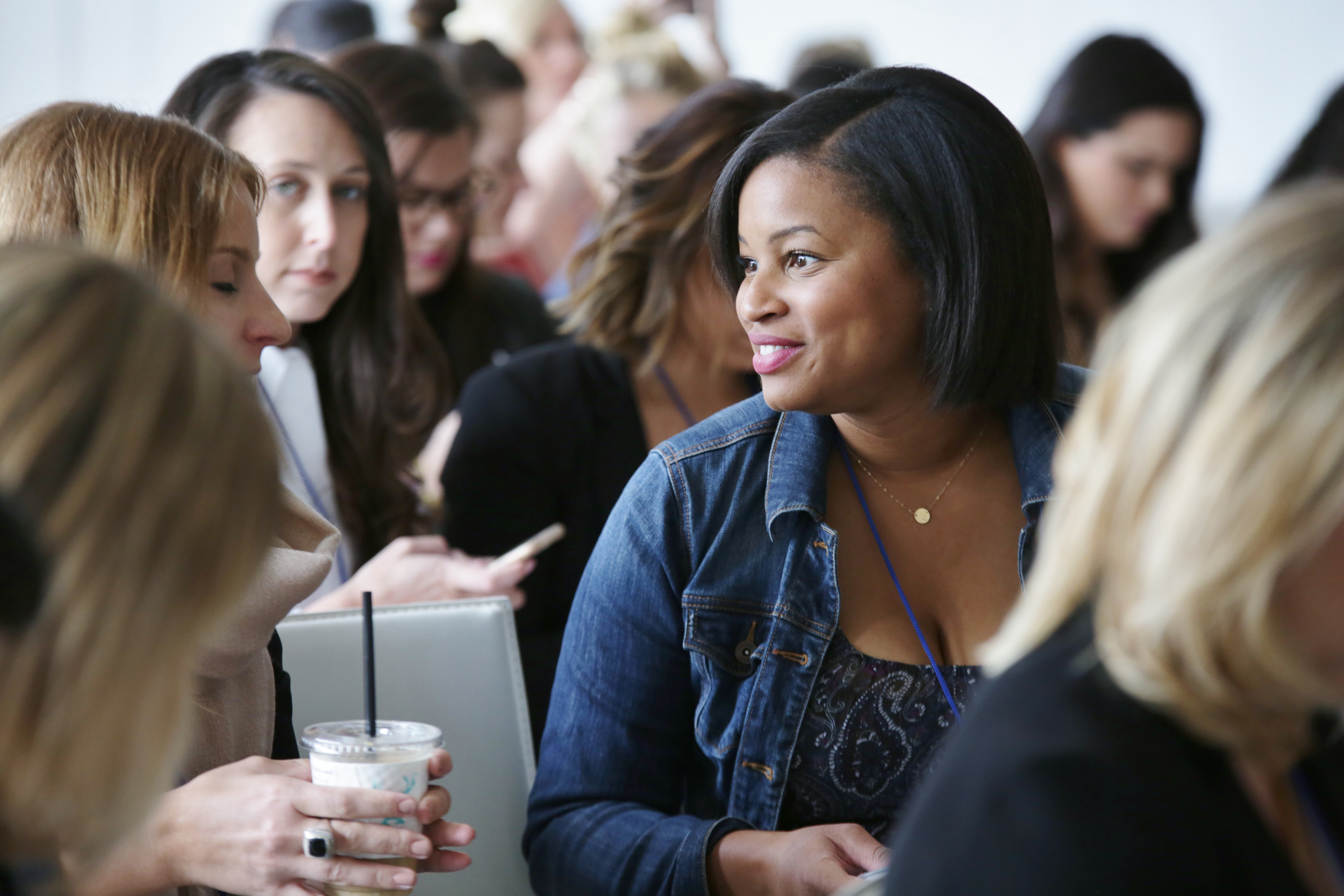
Credit: Laura Dee Photography
When it comes to diversity and inclusion in the workplace, Atlanta is king (or in our case, queen.)
Today, more and more companies are looking to be at the forefront of diversity and are shifting their focus towards inclusion and representation in the workspace. (To that, we say what a beautiful time, to be alive.) And with Atlanta being the poster child for diversity and our next #CreateCultivate stop, we had to highlight some of the ways other companies can take notes from the state that’s leading the pack.
INTEGRATION AND BREAKING THE INVISIBLE LINES
As Atlanta continues to move away from a history of segregation, the same concept has been applied to work practices, landing two of the city’s biggest companies (Coca Cola and Southern Company) on the list of Black Enterprise’s Top 40 Best Companies for Diversity List last year.
And inventors are taking more risks in the city because of its potential. In 2014 firms invested about $500 million in Atlanta companies — the most in a decade.
DIVERSITY IN ATLANTA’S STARTUP CULTURE
More POC in Atlanta are looking to change the face of what the typical startup founder or entrepreneur looks like. More men and women of color are starting their own companies, especially in the tech sector, and not only that: Atlanta has been named #5 in the best cities for female founders with 44.3% number of female-owned firms in the city.
While only .2% of venture capital deals have gone to black female founders and black women-led startups raising only an average of $36k in outside funding, more WOC are getting out there to show they are the future of innovation.
Thanks to programs like The BIG Innovation Center, which is currently housing a four-month long accelerator program training black and Latina women from Atlanta how to launch their startup, how to acquire office space, and how to find mentors, we’re not too far from seeing more of “The Real Unicorns of Tech” in the startup world.
"We’re not too far from seeing more of 'The Real Unicorns of Tech' in the startup world."
Tweet this.
Atlanta still has a long way to go when it comes having more POC-- especially women-- as the faces of companies. However, this city is taking exemplary steps to ensure that not too far from now, when a female WOC is represented as the boss in a startup sitcom, it won’t be too farfetched.
More from our blog:
Sarah Kunst Is Part of the 4%, But She's Changing That
Women of color may represent a small percentage in the tech space, but not if this entrepeneur has a say.
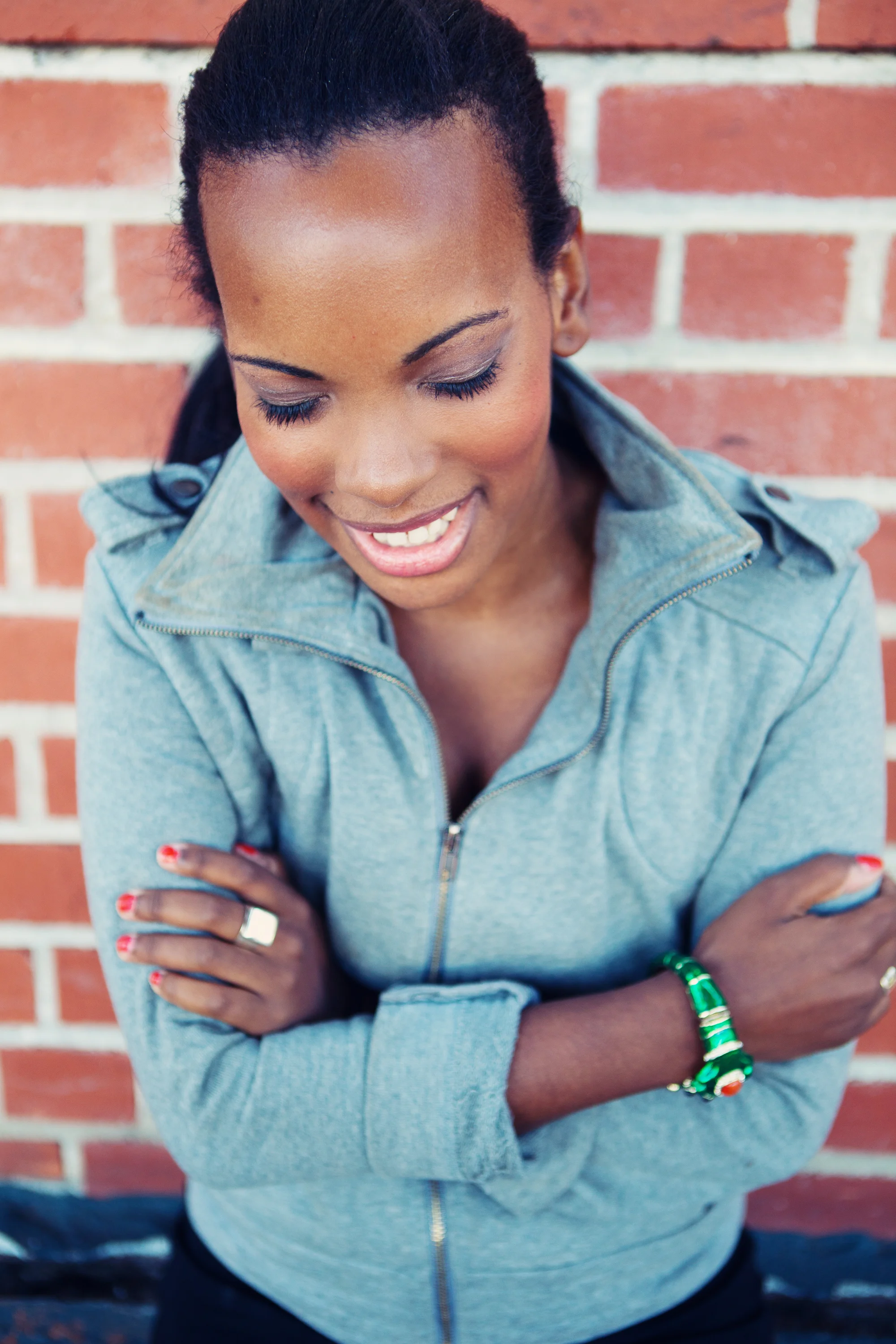
In an op-ed for Fortune last month, Sarah Kunst, founder of Proday, referenced a report published by Digital Undivided called Project Diane. The report found that just 4% of female-led startups are run by black women, and that those companies pull in about .01% (an average of 36K) of funding typically raised by a successful startup. She wasn't surprised by the findings, but she wasn't impressed either.
And while Project Diane calls that 4% "the real unicorns of tech," Sarah is no mythical creature. She's astute and purposeful in her own efforts and her leading work to bridge the digital divide.
We checked in with Sarah pre-SXSW where she will be joining us on panel: How to Launch Your Business, Create Community, and Stay Relevant in the Modern Marketplace.
The stories we hear about women in tech, and WOC in tech are usually upsetting due to the lack of diversity and frustration of fundraising. But let’s talk about the positive to start. What are some surprising conversations you’ve had about Proday?
The best thing about building Proday.co into an app that connects pro athletes with their fans for workouts has been the support from the sports community. The doors that have been opened and the help I've gotten from top athletes and agents has been beyond my wildest dreams. I'm so grateful for it.
What’s the most surprising backlash you’ve experienced?
Many tech investors have gotten jaded or burnt and they are afraid to believe that someone can finally break through in a crowded market that's seen a lot of failure. Much like many investors weren't hot on Facebook a decade ago because Myspace seemed unstoppable and Friendster had failed, I sometimes talk to investors who think that fitness and apps are hard markets and that because no one has won the entire thing yet, no one will. It's fun to prove them wrong.
Where do you see your work changing what you’ve called the “broken dynamic” of venture funding? Can you talk a little bit about the stats in the Project Diane report?
My work is building a billion dollar company in the sports, fitness and content space. That I do that as a black female founder may make me an outlier in an overwhelmingly white male tech world, but it doesn't change my mission or discourage me. It's kind of cool to beat the odds and know that my success will only help pave the way for more like me.
Businesses with diverse leadership teams are proven to do better in the marketplace, and yet parity is still rare at high-level jobs. Why do you think it is so hard to break this mold?
People who run the most successful funds and countries in the world aren't dumb and they aren't incapable of changing things when they put their minds to it. They are though, not incentivized to make these much needed changes. When you see top execs fired for not having diversity in their teams you will see a change. Releasing diversity data from top companies in tech is a start, but there needs to be accountability and action for these execs to take the truth to heart and start building diverse companies that will deliver better returns.
"When you see top execs fired for not having diversity in their teams you will see a change."
Tweet this.
Why is it important for you to invest in other women?
I invest my time, money and expertise into things that will make me money. When I was a venture capital investor that meant focusing on founders who I knew would be successful. Clearly, female and minority founders will be successful so I've invested in a diverse group of founders as an investor and advisor and I know that I will see huge returns on those bets.
Piggybacking on that, you’re female and black in an industry known for blatant sexism. How does the idea of intersectionality influence your work?
Well, if I tried to split the parts of me that are black from the parts of me that are female, I'd literally die because humans aren't capable of separating their race from their gender any more than you can put ingredients in a smoothie back into their separate, pre-blended form. Intersectionality doesn't 'influence' my life, it is my life. It's all of our lives. We all are the sum of our experiences and bringing that whole self, all our parts, into our work is vital to innovation.
In what ways do you think it is a key component of building a strong movement?
If we ask people to silo themselves - to not like a certain kind of music or dress a certain way or be a certain thing because we assume that their resume or race precludes them from certain interests or traits, we're being close-minded and shallow. Close-minded and shallow people rarely change the world for the better. Be open minded and don't be afraid to go deep. Don't assume to know where someone else 'intersects' and what drives them. Ask. If we remind ourselves that everyone we meet has intersects that we'd never expect, it's a lot easier to remain open to the new ideas and innovation they bring. To think that we're a sum of our demographic qualifiers devalues all of us.
"To think that we're a sum of our demographic qualifiers devalues all of us."
Tweet this.
Be sure to check out Sarah on panel at #CreateCultivateSXSW.
Arianna Schioldager is Create & Cultivate's editorial director. You can find her on IG @ariannawrotethis and more about her at www.ariannawrotethis.com