
4 Accomplished Women Share Their Secret Weapon for Supercharged Immunity
Zero hype, just honest herbal wellness customized for your life.

We live in an age where workplace burnout is now officially recognized as an “occupational phenomenon” and anxiety is at an all-time high. As the work/life pendulum swings out of balance during these uncertain times, people are searching for answers in a bid to restore a sense of calm and focus.
That’s where Mab & Stoke comes in with their simple but powerful mission: to make people feel their most amazing selves. And they’re doing just that with their made-to-order, customized herbal super tabs that are putting wellness back into our hands, literally. But this isn’t just another supplement selling empty promises. Their team of artists, explorers, scientists, and makers are done with waste, hype, and bad practices. They want results so they reinvented herbal wellness for modern life. Isn’t it time someone took the guesswork and grind out of amplifying wellness?
So what is it exactly? Well, these individually prepared herbal super tabs are created from a specially-selected blend of potent herbal extracts, including everything from Ashwagandha to Asian Ginseng, Elderberry and Lion’s Mane, Reishi, and more. You simply dissolve one in water, tea, juice, or a cocktail (if that’s your jam) either morning or night, or whenever you need a pick-me-up. To find a Mab Tab made for you, fill out their quick quiz and their herbal experts will get to work crafting your new BFF.
To learn more, we tapped several influential women who have been using the herbal super tab to hear their perspective on the super tab, how it’s positively impacted their health, and their daily self-care and wellness practice to maintain calm and balance.
Separate from their unique custom blends, Mab & Stoke just launched two new Readymade Mab Tabs today—Calm and Immunity—so keep reading to the end to learn more and add to cart for supercharged health.


“
Do what your body is showing you it needs to feel complete—that’s a practice I do daily.”
Photo: Alex Palombo
On her morning routine…
The latest iteration of my morning routine, amidst the new normal of social distancing in the face of the coronavirus pandemic, is certainly different. I’m prioritizing my internal health as much as I have historically placed importance on my physical health and strength. It’s no longer enough to just hit the gym. I want to make sure my immune system is as strong and sound as possible. I’ve started using Mab Tabs with a dash of honey as my morning drink in place of coffee, then I work out outside with my TRX and battle ropes while following the Be Exceptional Fitness virtual training program, and then I get to work for the day.
Many of my clients are rethinking what brand innovation means to them in this climate and are realizing there needs to be a focused effort on business continuity and strategy to prepare for the unknown which means lots of sedentary time that I’m not accustomed to. My time is currently spent drafting and stress-testing crisis response scenarios. Working remotely means even more conference calls and video chats and lots of time at the computer, so I try to make sure to end my evening with essential oils and a little mediation practice to reset and calm my energy.
On dealing with stress…
My tips for avoiding burnout at work are to have and promote open lines of communication, clear expectations, delegate to the most capable and always inspire transparency. In that scenario, it’s hard to be unhappy unless you’re not adhering to the principles you’ve set for others. So much of burnout is a misalignment of expectations and an underestimate of bandwidth. I try my best to avoid doing either. As long as I’m happy and healthy, I have no stress.
On her self-care practice…
Self-care to me is synonymous with self-love. Self-care is an active exercise of replenishing and nourishing the parts of your mind, body, and soul as needed. Sometimes it’s a massage, other times it’s a therapeutic chat about life, or you're doing something to fortify an area where you feel weak. Do what your body is showing you it needs to feel complete—that’s a practice I do daily. My self-care routine keeps me feeling consistent with myself so that I can show up consistently for others.
On her top confidence-boosting tips…
Trust your intuition, know if you’re there you belong, and always know that you can create #ThePathRedefined on your life because you’re in control.
On how Mab & Stoke has positively impacted her health…
I’ve recently started using Mab and Stoke’s Mab Tabs as a daily supplement in addition to my vitamins. It’s easy to implement into my daily routine and comes packed with the natural ingredients to give me a homeopathic approach to Immunity support and better living.
On her favorite drink to drop a Mab Tab in…
Hot water and honey!
On her one piece of wellness advice…
Stay active so you can #BeExceptional!


“
After spending 20 years in the corporate world, I found myself completely burned out… Turns out, self-care is a secret weapon.”
—Melanie Whelan
On her morning routine…
I set my alarm for 6 A.M. every morning. My 10-year-old son typically beats me out of bed so I need a few minutes of quiet before we leap into the day. I try to start each morning with a 10-minute meditation on my Calm App which I love. I keep clear quartz in my bathroom for manifestation and intention. It's next to my Sonicare toothbrush and I use my two minutes of teeth brushing to set my intentions for the day. I then head out to our kitchen to make breakfast for my kids before we leave the house by 7 A.M. I believe if you win breakfast, you win the day.
While my kids get ready, I drink my three favorites—cold brew iced coffee, seltzer with a splash of lime and my Mab Tab custom herbal tea. I started my Mab Tab routine a few months ago—it's a personally-formulated herbal super tab of highly concentrated, premium quality herbs that dissolves easily in water—and I love it.
On dealing with stress…
I've recently recommitted to a few habits to combat stress. First, I've always believed in the power of exercise to release endorphins and increase energy. I've recently fallen in love with [solidcore]. It's a pilates-inspired, reformer-based group workout in my neighborhood. I also weight train and run—I love it all. Secondly, the power of meditation and positive thinking is real. I try to take 10 minutes out of my day, twice a day, to meditate and clear my head. It's been transformative.
Finally, I read a few years ago that looking at pictures of your kids, releases endorphins and creates happiness. I like to flip through my camera roll multiple times/day and surround myself with family photos in my office. I post pics of my kids far too often on my Instagram but they make me laugh.
On her self-care practice…
After spending 20 years in the corporate world, I found myself completely burned out. I didn't prioritize myself at all, claiming that I was strong enough to power through anything. It turns out that self-care is a secret weapon. Research suggests that when you prioritize your own well-being, you make better decisions, build stronger relationships and are more productive.
Over the past few months, I've shifted my priorities so that I'm making deliberate time and space for myself. Activities like meditation, consistent workouts, putting away my phone by 7 P.M. each day, reading fiction, learning something new (right now I'm studying the foundations of Judaism in our local community center) all add up to a productive self-care routine.
On how a self-care routine plays a role in how she feels about herself…
When I make time and space for myself, I'm more attuned to how I'm feeling. I know when I need a break and when I'm ready to rock. It makes me be a better mother, wife, leader, decision-maker, and friend. You should ask my kids!
On her top three confidence-boosting tips…
Exercise. I can't say enough how good the endorphins make you feel.
Make great skincare choices. I drink a ton of water (I know where most restrooms are in my neighborhood!) and recently discovered a brand called Cocokind, a certified organic and socially conscious skincare line all based on virgin coconut oil. My skin has never felt better which makes me smile more confidently.
Intention setting. Before you go into any meeting, negotiation or conversation, set an intention for your goals and outcomes. When you're clear on your own expectations, you enter any setting more confident and more likely to achieve your desired outcome.
On how Mab & Stoke has positively impacted her health…
Mab & Stoke is my personal herbalist. My custom formulation is designed for me, my goals and my lifestyle. I trust Christina's deep knowledge of herbs and formulation. I love her passion for creating effective and personal products and the subscription makes it so easy.
On her favorite drink to drop a Mab Tab in…
I love that you can pop a Mab Tab into almost any beverage, hot or cold but I prefer my Tab in hot water. It creates a beautiful herbal tea. I love the morning ritual of warm herbal tea.
On her one piece of wellness advice…
You have one life. Live it intentionally, set goals for who you want to be, what you want to accomplish and what's most important to you. Practice them daily.


“
Do your best to turn inward and listen to your body.”
—Ali Bonar
On her morning routine…
I consider myself part “morning routine aficionado” and part “slug coffee while sprinting out the door” (#balance, ya know?) There are weeks where I’m on my morning routine game, and weeks where it’s a blessing to remember to remove my retainer before heading out the door. No matter if I have an hour to get ready, or just five minutes, some non-negotiables for me are: warm bevvy (particularly Mab & Stoke with a squeeze of lemon), puppy cuddles (and boyfriend, if he’s lucky), and a quick stretch.
On dealing with stress…
I run my own business, so I’ve become comfortable with the fact that stressful moments are bound to crop up but I’ve definitely learned better coping strategies to deal with them. I’m a recent convert to the world of breathwork, and it’s been *life-changing* for me. I also have a slight obsession with Andy from Headspace (#marryme), and I try to squeeze it in as much as I can, even if it’s only five minutes.
On her self-care practice…
I used to think self-care was just bubble baths and pedicures, and sometimes it is, but I’ve come to realize that it can be much simpler than that—a few intentional breaths alone in my car after a long day, or having a night to myself with Netflix and snacks, or getting creative in the kitchen is also top of my list when it comes to self-care.
On how a self-care routine plays a role in how she feels about herself…
It’s massively important. I struggled with an eating disorder for over 10 years, and through lots of inner work/therapy, realized that I often turned to food (or restricted food) in times where I just needed a bit of self-care. There are weeks where I need a bit more self-care and weeks where I’m coasting. I’m learning to give myself grace and not judge why I might need a bit more during certain periods than others.
On her top three confidence-boosting tips…
Buy clothes that fit you. Don’t worry about the size on the tag. I tried for too long to fit into a smaller size and ended up feeling uncomfortable and self-conscious. My mama always told me: you look good when you’re comfortable.
Take time to love yourself, girl! Take yourself on a solo dinner date, book yourself a massage, go for a hike in nature without your phone (gasp, I know! I believe in you). Investing the time in yourself goes a long way in how you feel in your body.
Surround yourself with people who lift you up. You know the type—someone who leaves you feeling electric after seeing them. They support you and genuinely want to see you succeed. The older I get, the smaller my circle of friends becomes. Quality over quantity, kweens.
On how Mab & Stoke has positively impacted her health…
The personalization of Mab & Stoke really appealed to me. In a world where we’re all looking for a “magic pill,” I think it’s important to realize that we’re all so different and require different supplements at different phases of our lives. I’m pretty caffeine-sensitive, so my morning tab is serving me much better than my morning coffee was (sayonara, caffeine crash!) With my mab-tab, I feel alert but calm, centered and focused.
On her favorite drink to drop a Mab Tab in…
I love hot water, squeeze of lemon and a few drops of stevia. It gives me a tangy, sweet drink that gets me going in the morning.
On her one piece of wellness advice…
Do your best to turn inward and listen to your body. I spent too many years wrapped up in outside noise: do this, eat that. I was constantly trying to change my body, forcing it to slave away at the gym and restricting it from vital nutrients to make it smaller… and it came back to bite me (health issues, anxiety, etc). Now, the more I turn inward and honor what my body is telling me, the better I feel.
Kale salads and green juice are great, but tacos and tequila shots with your girlfriends can be just as healthy. It’s important to nourish your body, but even more important to nourish your soul.


“
Water what you want to grow. Focus on the positive, say nice things to yourself. If you reinforce the negative and feelings of inadequacy, that is what will flourish.”
On her morning routine…
It’s so important to, as I like to say, “own your morning” because it sets the tone for the rest of the day. I get up and drink a tall glass of water with lemon to rehydrate. Then invariably, I have coffee. It may be a vice, but I also see it as a ritual—one I’m not planning to give up! Most days, I do intermittent fasting, so I don’t eat breakfast. If I do, it’s usually a combo of greens and eggs, and avo. I’m trained in Transcendental Meditation, but I have fallen off my practice. I really want to get back to that because it enhances everything.
On dealing with stress…
For me, dealing with stress isn’t an acute action or spot treatment. Instead, I try to cultivate a lifestyle that better equips me to deal with on-going stress because it is ever-present these days. That means getting a decent amount of sleep, moving my body, and eating healthfully (most of the time). I recently wrote a book called Sugar Free 3 about ditching added sugars from your diet and doing that has helped everything from my mood to my energy levels to the quality of my sleep.
On her self-care practice…
Self-care takes so many forms and it’s a personal journey for everyone. Some of my favorite forms of self-care are:
Hydrotherapy: Anything to do with water. I find it so healing to be submerged in warm water or to feel the buoyancy and support of water. I am lucky enough to have a beach house with a great free-standing bathtub and a jacuzzi on the roof, so hanging out in one of those places is paradise to me. Swimming in the ocean is pretty awesome too.
Strength Training and Rebounding: My two favorite workouts are training with weights and jumping on a mini-trampoline. I detest cardio, but “rebounding” is a super-effective form of cardio that also feels playful. My friend, Dria Murphy just opened a bouncing studio in NYC called The Ness, where I take classes when I can.
Wine with Friends: There are few things I enjoy more than sharing wine with friends—especially ones who make me laugh. It’s even better if we’re in nature somewhere sitting around a fire pit, but I happily do it crowded around the kitchen counter in my friends’ apartments.
Bodywork: I love a good massage or other forms of bodywork, but when there’s no time for that, a foot rub in the Reflexology Lounge at THE WELL is glorious.
On how a self-care routine plays a role in how she feels about herself…
You know that safety announcement on airplanes: “Put your mask on first before helping others”? Well, I think that’s true in general. You need to feel healthy, whole and strong in order to be a good leader or colleague or partner. Self-care is not selfish—in fact, it’s the opposite.
On her top three confidence-boosting tips…
Engage in observation. We can all feel like imposters at times, but when you look around and really observe people you think are doing well or are “successful” you often see that you are just as competent—if not more—than they are. This isn’t about comparing yourself to feel superior to anyone else; it’s about raising your own awareness that you stack up.
Help someone else. Volunteer to be someone’s mentor or to just lend a hand to someone who needs it—there is always someone less experienced or more in need than you. The gratitude you receive from imparting your skills/talent/gifts—whatever they are—is really powerful and goes a long way toward boosting your own self-worth. It’s a win-win.
Take risks. I say this not only because it’s critical to growth, but also because each time you triumph over a scary situation—or even just survive it—you get a little braver. I’m a big believer in getting comfortable with feeling uncomfortable.
Bonus tip: Water what you want to grow. Focus on the positive, say nice things to yourself. If you reinforce the negative and feelings of inadequacy, that is what will flourish.
On how Mab & Stoke has positively impacted her health…
It’s incredibly overwhelming. I’m a big believer in supplements and more specifically, in the power of herbal medicine. Herbal remedies have been used by many cultures for thousands of years. And though they may not all have clinical data behind them, there is plenty of anecdotal evidence that comes out of this ancient wisdom. I have actually used a medicinal herbalist on and off, but that gets incredibly expensive and hard to schedule. Mab & Stoke has brilliantly solved for that with customized, easy-to-ingest supplements that are delivered to you. Most important to me is that what I take is efficacious and Mab & Stoke have taken great care to make sure their formulations come in meaningful doses—that is so key.
On her favorite drink to drop a Mab Tab in…
Just water (hot or cold), no mixers. I guess you could say I’m a purist.
Introducing the New Mab & Stoke Readymades
These fast-acting formulas can be taken when you need them—they act fast to enhance immunity or a sense of calm. They don’t need to be taken every day (as with the Custom Mab Tabs) but can be used daily, and in conjunction with custom blends. Mab & Stoke craft and press all Mab Tabs at their FDA-compliant facility in East Hampton, NY.
Given the current climate, the Mab & Stoke team is working as quickly as they can to make as many of these available for the community. They also plant a tree with every order through their partner American Forests.
Read on to learn more about the new Immunity and Calm Readymade Mab Tabs below and start enhancing your health today.

Mab & Stoke Readymade Calm
Readymade Calm is a Mab Tab to help you chill and unwind. It offers baseline immune support (as do all Mab Tabs) but this blend has been specifically designed to tackle stress when it starts to build up and you need help relaxing. It can be taken up to 3x daily on its own or up to 2x if in conjunction with your daily Custom Mab Tab.
$54 (includes 28 Mab Tabs)

Mab & Stoke Readymade Immunity
The immune-focused Readymade Mab Tab is a highly-concentrated blend of all the herbs you need to support a healthy immune system. This Readymade Mab Tab is designed to be taken up to 3x on its own or 2x if taken in conjunction with your daily Custom Mab Tab, at the first sign of illness or when your system needs an extra boost.
$54 (includes 28 Mab Tabs)
For more information on Mab & Stoke, their new Readymade Mab Tabs, or to order your custom Mab Tab, visit mabandstoke.com.








How Putting Your Health and Happiness First Can Improve Your Career
And benefit your company, too.

Photo: Smith House Photography
In 2016, the World Health Organization (WHO) turned their attention to a problem so severe and damaging they called it the “health epidemic of the 21st century.” That epidemic was stress. Fast-forward to 2020, and the WHO has updated its handbook of diseases to include burnout, calling it an "occupational phenomenon" characterized by "feelings of energy depletion or exhaustion, increased mental distance from one's job, or feelings of negativism or cynicism related to one's job.”
We are the first to admit that 80 hour work weeks and side hustles are the new norm. While we certainly aren’t going to be the ones to tell you to stop working your butt off if that is what you want to do, that doesn’t mean we don’t acknowledge that putting your health and happiness above your work is necessary for your general wellness. In fact, when you take care of your personal needs you may find that it benefits your career just as much as your well-being. Scroll on to find out how.
What Stress Does to Your Mind
Stress can cause physical maladies such as headaches, jaw clenching, teeth grinding, muscle spasms, heartburn, and nausea, as well as back, neck and chest pain. Even if you are a super human who doesn’t feel the physical side effects of exhaustion and stress, you might be falling victim to non-physical symptoms such as forgetfulness, disorganization, confusion, trouble learning new information, difficulty in making decisions, nervous habits and overreaction to petty annoyances. To top it all off, according to The American Institute of Stress you may also experience reduced work efficiency or productivity.
Carve Out Some “Me” Time
Everyone's wellness needs are going to be different. Some may not feel their best if they don’t take the time to cook healthy meals. Others may be strongly affected by not being able to spend as much time with their loved ones as they would like. Bookworms may feel more anxious if they can’t spend quiet time reading and escaping their troubles before bed. Think about what is important to you and what makes you feel like your best self, then carve out the time to do it. Seriously, add it to the to-do list and make sure it gets done like any other vital task.
Exercise is a great way to take care of both your physical and mental health at once. Physical activity releases endorphins in the brain and is proven to lower stress levels as well as symptoms associated with mild depression and anxiety. It can also help relax muscles and relieve tension in the body. When you don’t have time to squeeze in a workout, try having a good laugh. Laughing also releases endorphins, which are significantly more powerful than the pain-relieving drug morphine. If relieving stress and pain isn’t enough to convince you, then consider this: endorphins boost immunity which could save you a lot of out of office days come flu season.
It Benefits Your Company, Too
It would financially benefit companies to look out for their employees’ health and happiness, not to mention be the decent thing to do. In fact, workplace stress costs U.S. businesses $300 billion annually. On top of lost productivity, work-related stress causes 120,000 deaths and results in $190 billion in healthcare costs yearly. If employers value the wellness of their employees they should ensure that they are working manageable hours, taking lunch breaks, encourage time off and create a generally positive work environment.
You are entitled to take a breather, play hooky, nap a day away, laugh, cry, whatever it is that will make you feel lighter. Never skip a doctor's appointment for a meeting, leave a few minutes early to make it to that yoga class, go home when you aren’t feeling well, turn off your phone when you are on vacation. If you do this you will be more creative, in control, calm, productive, focused and most importantly happy.
About the Author: Jacqueline DeMarco is a freelance writer with experience in editorial and news writing.
This story was originally published on September 2, 2017, and has since been updated.
Up next: 10 Women Who Have Your Dream Job on How They Fight Burnout, Stay Motivated, and Get Re-Energized for Work
MORE ON THE BLOG

How to Get Rid of Stress and Feel Centered in 5 Minutes
Melt away stress with this easy trick.

Photo: Valeria Ushakova for Pexels
Feeling stressed? Like the type of stressed out where you’ve got so much going on that your brain is racing every night, or you just feel lost and don’t know what to do? I used to feel it, too. Overwhelmed with clients, my work, my personal life, I had no time for my relationship. No time to paint (which is my passion). No time to spend with family and friends. I felt like my life was in an endless whirlwind.
Then, I learned one of the most amazing techniques for how to relieve stress quickly. Over the past 10 years, through coaching some of the world’s most successful businesswomen, and with my deep study of the subconscious mind, I reframed a powerful technique from my mentor Dr. Coletta Long, a leading pioneer in the field of regression, to help even more people achieve the freedom from stress and anxiety.
It’s called the Emotional Reset Method. And it’s so simple (kind of like the Mel Robbins 5-second method, which I love).
So… what is it?
The Emotional Reset Method (ERM) is a five-step technique to identify, name, and release that feeling or sensation of stress, anxiety, pain, or worry that you don’t want in your body anymore so you can move forward with more lightness, freedom, and purpose.
It only takes about five minutes, but if you sit, center, and do it with integrity—it can really help you get back to doing what you do.
Step 1. Pause. Tune in to what you feel.
The first step is to pause. To stop, sit still, and breathe deeply into your belly. Before you can discover where you’re carrying your emotions, you need to ground yourself in your body.
We’re often so busy that we spend a lot of our time “out of our bodies.” Many mindfulness practices start with the breath, which allows you to slow down and bring yourself back “into your body.” Think about a tree: when the wind blows, it’s the root that lets the wind sway through the limbs without knocking it over. It just takes a minute to breathe deeply, connect your mind and body, and “root” down.
Sit down in a comfy seat, place your hands on your thighs, close your eyes, and breathe deeply, starting from your belly (your diaphragm). Slowly count in-and-out for five seconds. This will center and ground you. You’ll feel more calm and present.
Step 2. Describe it. What do you feel?
Next, ask yourself: What sensation am I feeling? Let go of any self-judgment. There’s no need to critique or criticize. The key to this step is to be relaxed and honest with yourself so you can feel into the sensations of your body (and emotions). When you release and let yourself feel, different sensations, emotions, and reactions will come up. Is it anxiety? Fear? Just… tired? The key here is to just sink in, let yourself feel, and then name that out into the world.
For me, what I was feeling was heavy anxiety and fatigue. A desire to “do it all.” That desire to do a million things and try to fit it all into my chaotic day.
Step 3. Locate it. Where do you feel it?
The third step is to identify where you’re feeling it. Have you ever been incredibly anxious or worried and felt a tightening feeling in your stomach or lungs? That feeling you perceive is emotion making its presence known physically. Locate where that place is in your body.
In my case, it was right in the middle of my stomach. So, I brought my attention to that sensation and location.
Step 4. Give it a visual. Can you describe it as a color?
What’s most easy to describe is a color and use it for visualization. You need to be able to visualize this feeling you defined in Step 3. For many, it’s easiest to describe it as a color. Just keep that feeling in your mind and say whatever first comes to your head. Is fear a deep blue? Is anxiety a subtle purple? It will be different for everyone and every sensation, but if you pause and feel it out – you can think of a color that represents this emotion and feeling.
In my case, it was blue. That heavy, radiating feeling in my stomach was like a deep, fuzzy blue just sitting there.
Step 5. Release it. Time to let it go.
Visualize the power of the mind pushing that defined feeling up and out of the body. Once you’ve named your feeling, located it in your body, and labeled it with description/color, you’re ready to let it go—to release it.
Take one more deep breath and then really picture pushing that feeling/color out of your body. Do you feel it sneaking up your chest and out of your head like a mist or cloud? Do you feel it pushing out of your feet and fingertips?
Everyone will experience this differently. Feel into it and picture it leaving you. Imagine the emotional block inside you dissolving. Fading out and away.
After doing that whole process, I felt such a lightness—a weight lifted—I ended up releasing this ball of stress and fatigue that was inside of me.
ERM will remind you that you have the power within to take charge. To create a plan to take action on what needs to get done and let go of what is not as important as you think it may be.
So, whenever you feel that wave of stress coming over you… or if you’re dreading a conversation with your partner … do the Emotional Reset Method. Your body, your mind, and your heart will all thank you.
About the Author: Robin Emmerich has spent close to a decade coaching some of the most successful women in business. She currently offers the CIJ Clarity Catalyst online course, based on the famed Stanford Masters Degree Course, “Creativity in Business,” individual coaching, regression, and worldwide retreats. Connect with Robin at robinemmerich.com and on Instagram.
This post was published on May 26, 2019, and has since been updated.

2020 Vision: How 4 Women Are Approaching Wellness in the New Decade
Self-care isn’t just a buzz word.
This post is in paid partnership with iHerb.
It’s hard to believe that a decade ago, Google search interest in “self-care” was at its lowest. Now, the most popular buzz word of 2019 is feeling, well, a little burnt out. Ironic, isn’t it? But just because the word is a little overused, doesn’t mean the physical act of it is. In fact, self-care has largely contributed to the wellness market boom which is now valued at a whopping $4.2 trillion, having grown 12.8% in the last two years. And it’s not just outside of work either. The global corporate wellness market is also estimated to reach $66 billion in 2022 because news flash: healthier workers are more productive. Who knew?
Thanks to more people choosing to pursue activities that promote physical and mental well-being, self-care is now being seen as a form of necessary healthcare and not a selfish behavior as it was once viewed in the past. After all, if you don’t put your oxygen mask on first, you can’t help others.
But it’s not always easy to find the time and wellness can be expensive. iHerb understands the challenges that come with navigating the winding road of wellness. That’s why they provide wellness solutions for all the key aspects of your life, including supplements and vitamins, sports nutrition, herbs and homeopathy, and self-care essentials like skincare and body care, at prices we can all afford.
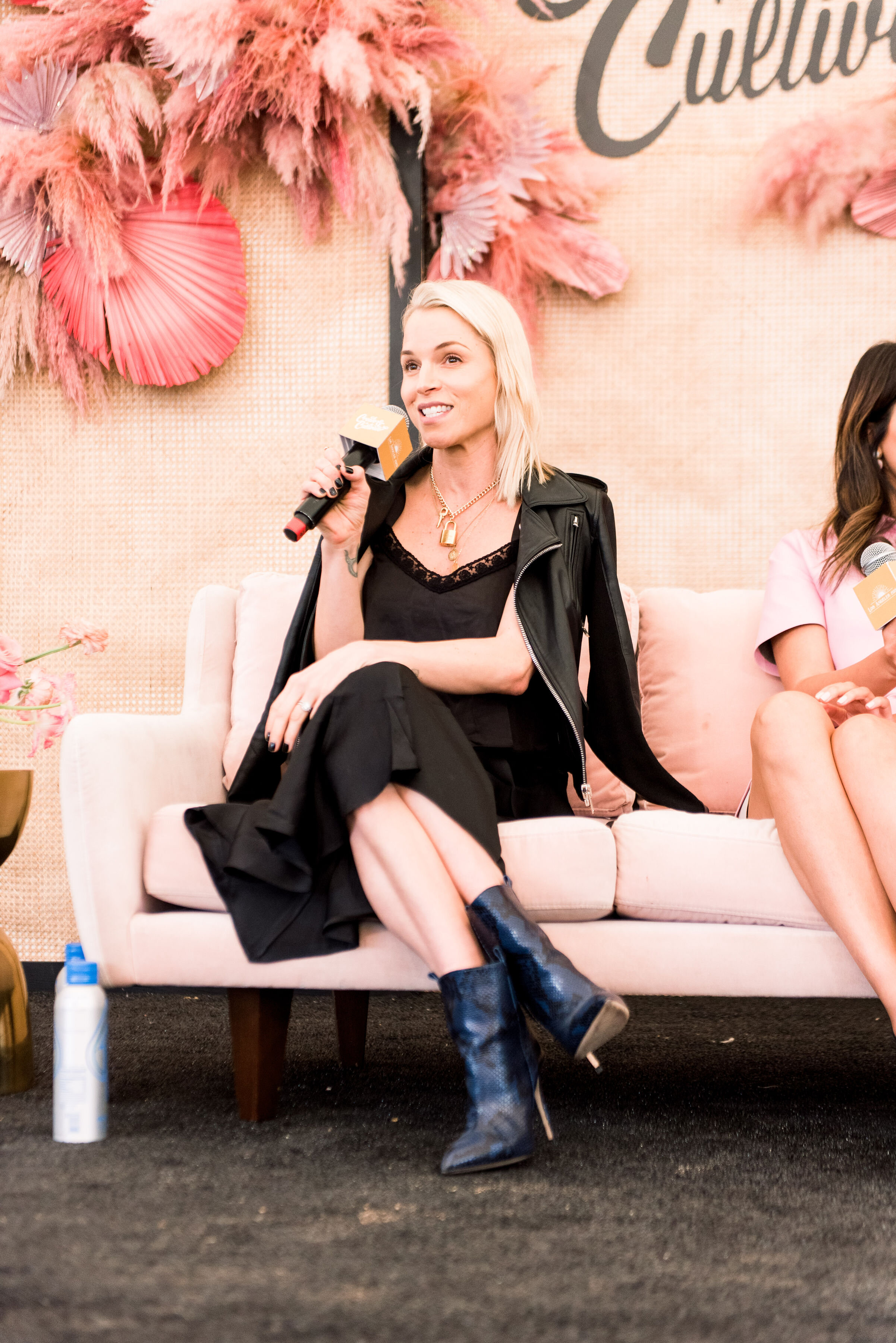
We partnered with iHerb for our 2020 Vision panel at the recent Los Angeles Conference and asked four women—Britney Vest, Dr. Deepika Chopra, Lauren Kleban, and Kirbie Johnson—to share their thoughts on wellness in the new decade.
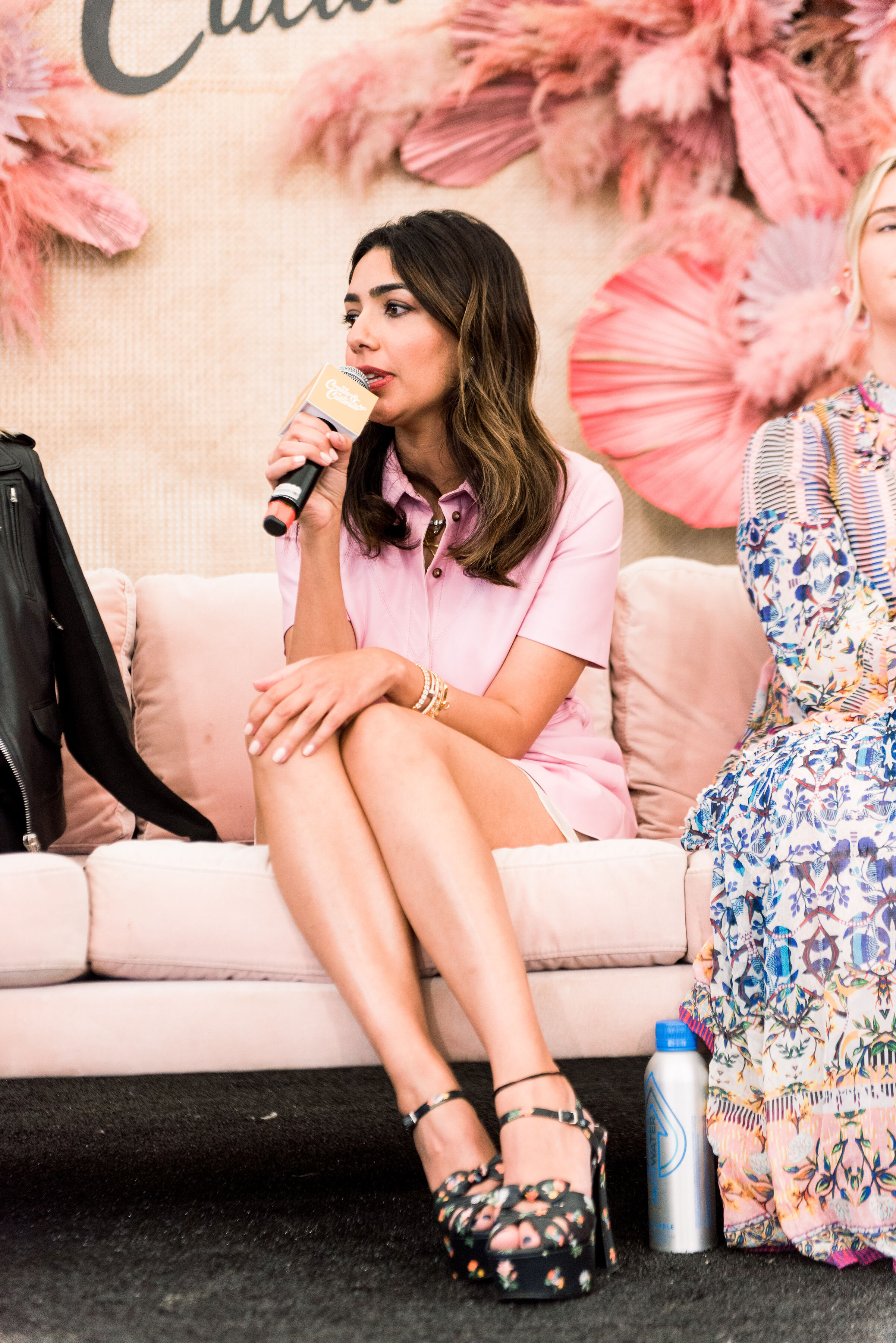
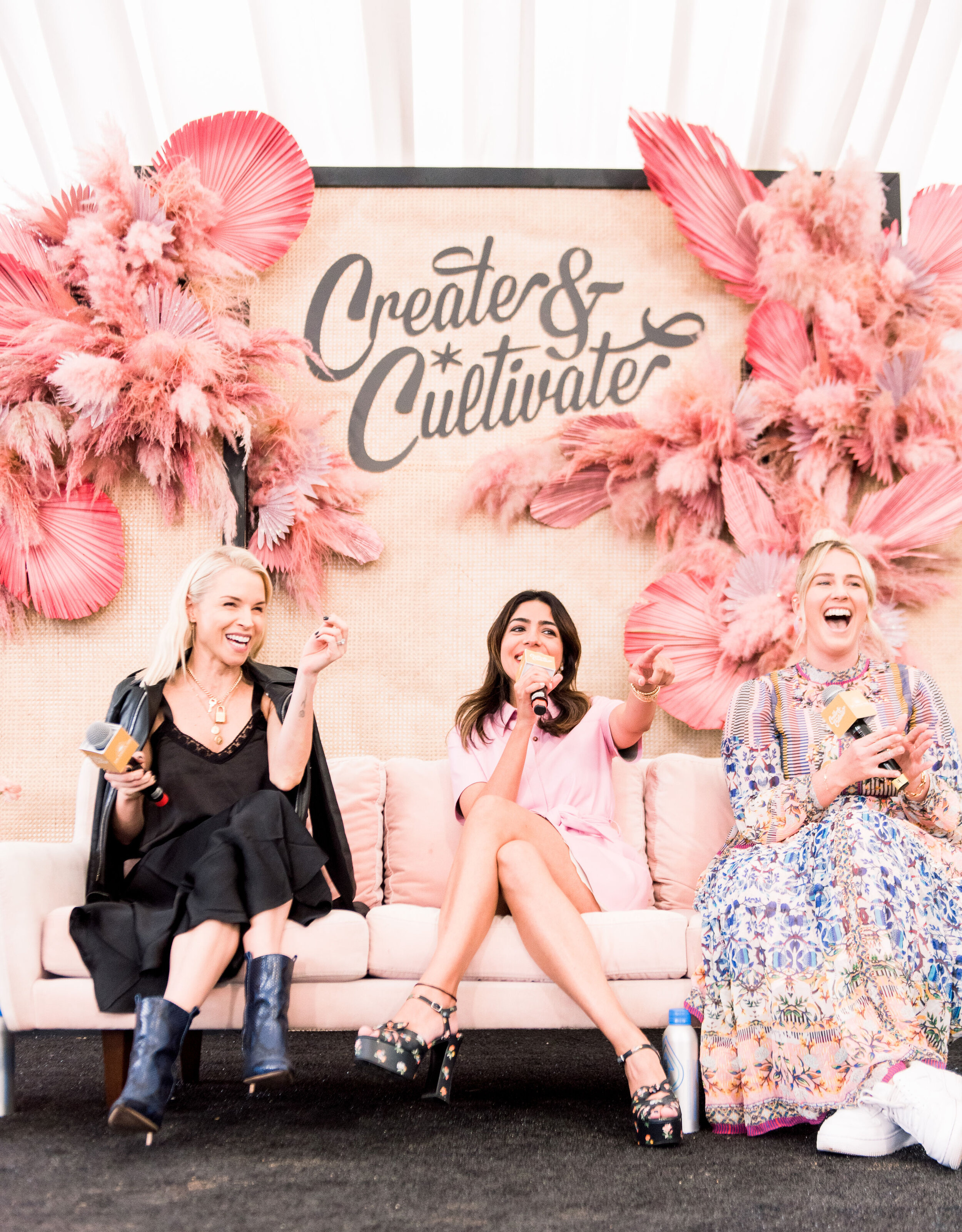
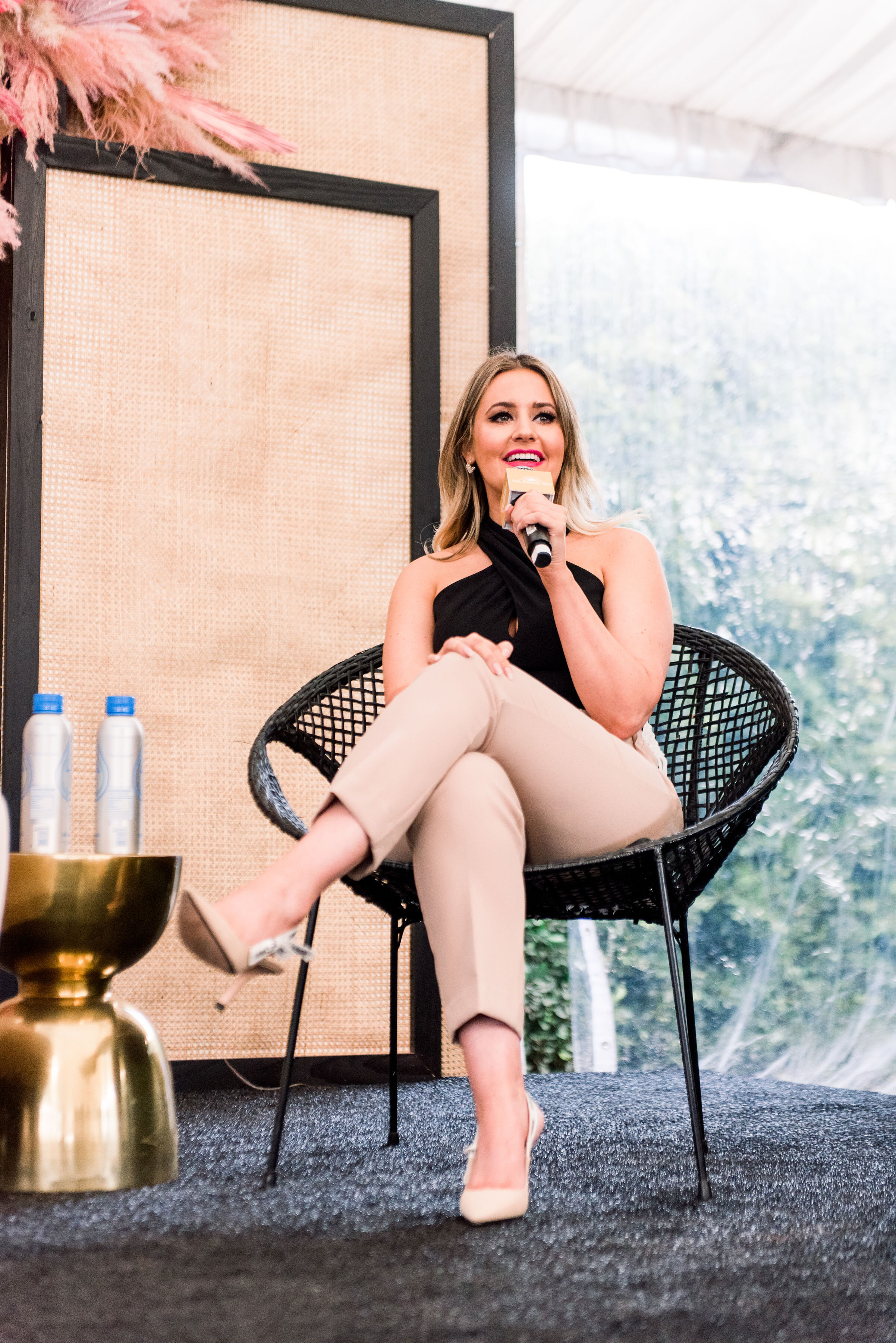
Read on to hear some major realness from the conversation and be sure to comment below to share your thoughts on wellness in 2020, too.
2020 Vision: A Conversation on Wellness in the New Decade Powered by iHERB
On body positivity…
“For me, body positivity is truly learning to love yourself every day exactly as you are in this moment” - Britney Vest
“The movement has really blown up, but there is still so much to be done.” - Britney Vest
On weight loss and body positivity...
“They can exist together, it is not a bad thing to want to improve and want to change.” - Britney Vest
On work as self-care…
“Work, for me, is self-care. It makes me feel valued and valuable.” - Kirbie Johnson
On taking work home...
“You're devaluing yourself because you are only paid to work from 9 to 5.” - Kirbie Johnson
On change in the beauty industry...
“We’re switching from, ‘You need this to look beautiful,’ to, ‘This will make you feel good or will help someone in need.’” - Kirbie Johnson
On partnering with brands authentically...
“No matter what it is, I typically only work with brands that I already have in my home that I am already using that I am authentically connected to.” - Britney Vest
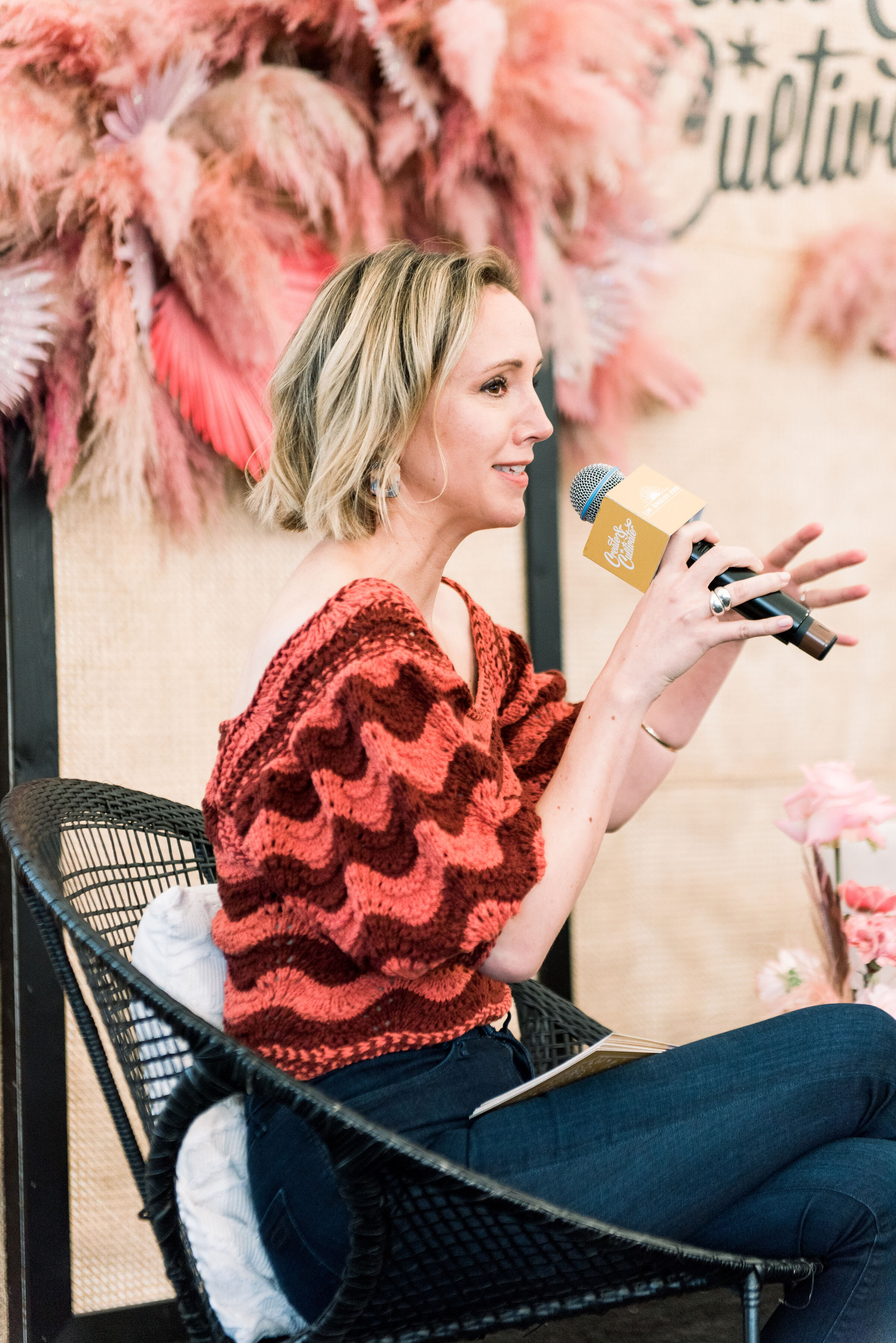
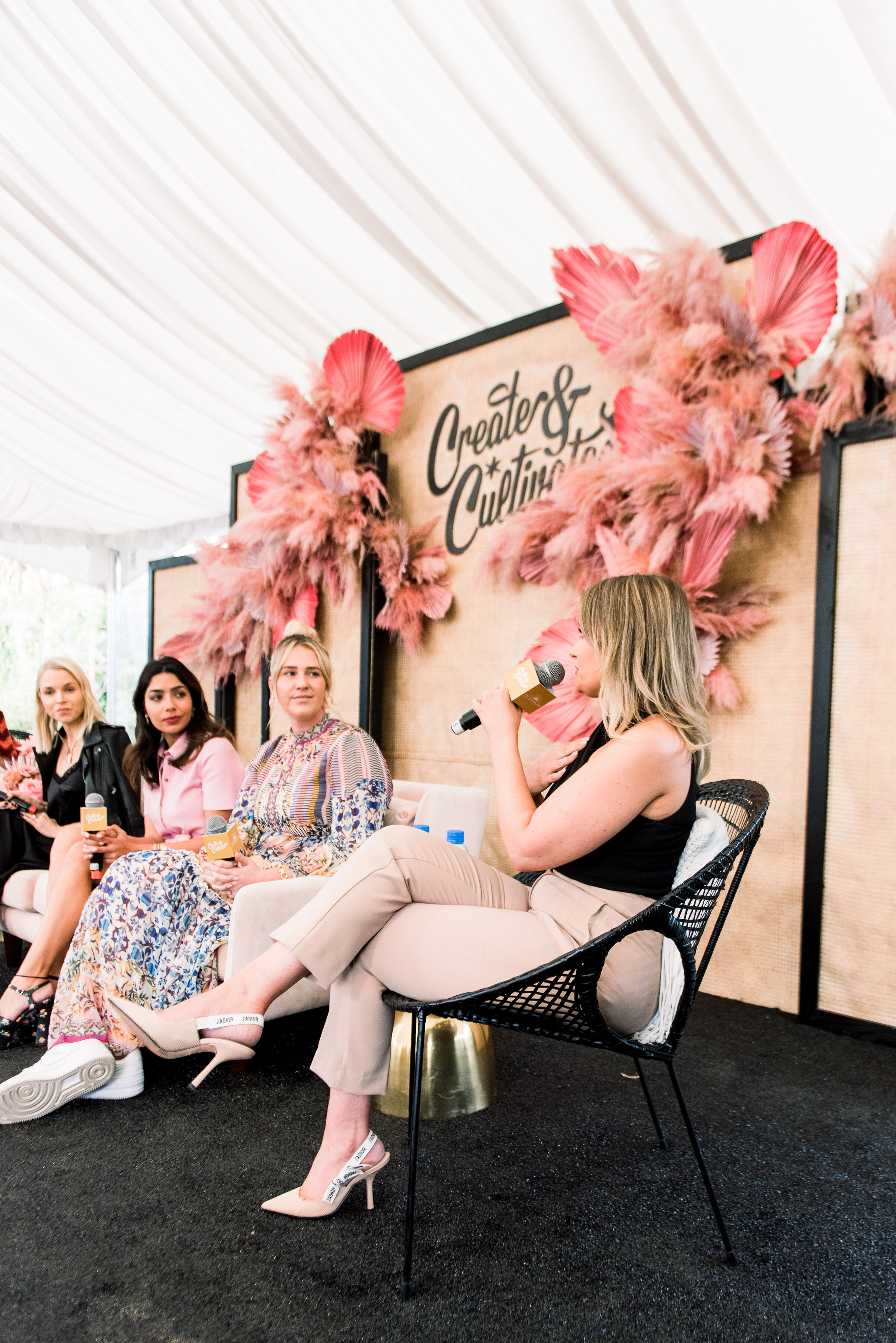
On wellness on social media…
“Being able to celebrate yourself on social media is so important.” - Britney Vest
On improving…
“Remember: It is not a bad thing to want to improve yourself and want to change.” - Britney Vest
On not taking on too much...
“The way you can achieve wellness is by realizing that you can’t do everything at once.” - Dr. Deepika Chopra
On being an optimist…
“Being an optimist doesn’t mean skipping around fields or always having a perfect day, it’s about being someone that sees setbacks as temporary and knowing you have the power to overcome them.” - Dr. Deepika Chopra
On mental health…
“I learned very quickly to keep blinders on—don’t be in a position where you compare yourself to others.” - Lauren Kleban
“We have our physical health and our mental health to take care of. It's what makes us all human.” - Dr. Deepika Chopra

This Mom's Mind Was Filled With "Worries and Anxieties Every Night"—Sound Familiar? Here's What Helped Her Sleep
Her nighttime routine is one to emulate.


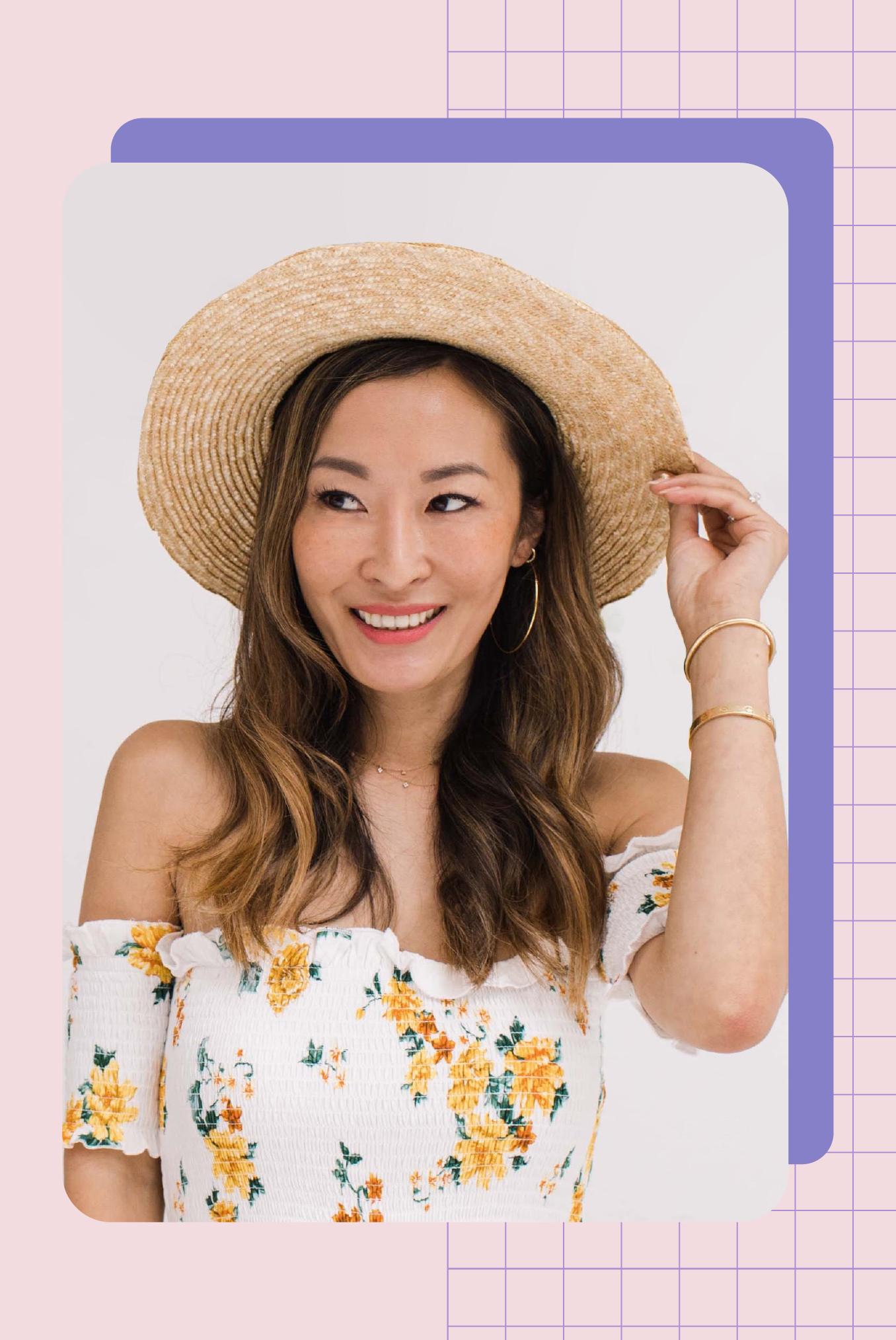
To put her mind at easy come bedtime, Angela J. Kim ends each day by reflecting on what she’s grateful for. “My days are long and hard, and there are so many worries and anxieties that fill my mind every night when I lay down to sleep,” explains the founder of the lifestyle brand Mommy Diary. Her relaxing nighttime ritual of meditating and writing in her gratitude journal has taken on a whole new importance in the wake of the coronavirus pandemic. The blogger, podcast host, activist, and mom of four, spanning a nine-month-old to a 13-year-old, keeps a busy schedule and, like so many working parents, has a lot on her mind these days.
Since she started quarantining in her Southern California home with her family, she’s had to adapt to a whole new schedule, which includes her staying awake long after she’s put the kids to sleep to squeeze in a few more hours of uninterrupted work. One constant in her routine, though, is her nightly ritual. “I make sure I’m ending each day on a positive note with positive thoughts and a list of things I’m grateful for,” she explains. “That way, I’m constantly rewiring my brain to be positive, hopeful, and grateful, even in my subconscious.”
Now that Purple has launched a mattress for kids, her gratitude list has gotten just a little bit longer. “A good mattress is so important for our kids because it makes a huge difference in their quality of sleep and provides the right support for their growing bodies,” Kim explains. “My son loves the way it feels and hugs his body without making him too hot, and I love the machine-washable cover, which makes mom life so much easier.” For a mom who’s navigating working, teaching, and parenting from home 24/7, any win, no matter how seemingly small, is worth being grateful for.
Ahead, Kim shares the nightly rituals that help her and her family rest easier, including the bedside table essentials she always keeps within arm’s reach, the bedtime stories she swears by, and the many reasons why the Purple mattress for kids is a game-changer.

CREATE & CULTIVATE: It’s so important that moms get their 8-hours just as much as the kids. What is your relationship with sleep now that you have children?
ANGELA KIM: My relationship with sleep goes through different seasons. I was getting regular 7-8 hours of sleep until I got pregnant with my fourth baby. These days, my sleep is interrupted every night and I sleep in 4-5 hour stretches. I’m exhausted and can’t wait to sleep through the night again. While it’s hard, I know this is a short and fast season.
Sleep, or lack of it, can contribute to many health concerns including mental health, productivity, weight, immunity—the list goes on! Getting good sleep is all about how you wind down before bed. Can you share your nighttime routine or pre-sleep ritual and how that sets you up for sleep success? Why does this enhance a more restful night’s sleep?
I wind down with a five-minute meditation and five-minute gratitude journal every night. My days are long and hard and there are so many worries and anxieties that fill my mind every night when I lay down to sleep. So I make sure I’m ending each day on a positive note with positive thoughts and a list of things I’m grateful for. That way, I’m constantly rewiring my brain to be positive, hopeful, and grateful, even in my subconscious.
What are your nightstand must-haves for a good night’s sleep?
I love my Himalayan salt rock, five-minute gratitude journal, favorite book, rose quartz gua sha tool with essential oils, and a small notebook to jot down random thoughts and dreams.
What are your hacks for getting through the day after a bad night’s sleep?
Coffee, matcha, peppermint oil in a diffuser then repeat!
What do your kids’ sleep rituals look like? Can you share the challenges of getting your kids into a healthy sleep routine—what’s worked/what hasn’t?
My kids are pretty good sleepers overall. Their bedtime routine begins with a warm bath, then a short story, then sleep.
My four-year-old son likes when my husband sits in the rocking chair while he falls asleep and my 8 months old daughter likes to fall asleep while breastfeeding. With four kids, we have to divide and conquer.
What doesn’t work is long bedtime stories! Keep the storybooks short and sweet. Kids tend to ask you to read it again and again so make it clear that they get one or two bedtime stories.

Can you recommend any books that have helped?
I love I Love You Through and Through and the classic bedtime story Goodnight Moon.
How much have your sleep patterns and rituals changed since quarantine? Why?
I’m definitely sleeping later and waking up later than before quarantine. I’m with the kids all day at home, so I have to squeeze in more work after the kids go to sleep after 9 pm. The upside is that I no longer have to rush to get the kids out of the house by 8 am!
How much does your mattress impact your and your kids’ sleep and why?
A good mattress is so important for our kids because it makes a huge difference in their quality of sleep and provides the right support for their growing bodies. A good mattress should be breathable, non-toxic, and hypoallergenic with the right amount of support.
Now, your favorite mattress brand, Purple, just launched for kids and yours have been testing it. What were your kids’ first impressions—how has it enhanced their sleep, what changes have you noticed, would you recommend it—tell us everything!
My son loves his new Purple mattress! He loves the way it feels and hugs his body without making him too hot. My son hates being hot in his sleep and the Purple mattress keeps him cool. I also love the machine-washable cover which makes mom life so much easier.
How are you teaching your children about the importance of sleep hygiene and rituals for a good night’s sleep? Can you recommend any books?
I teach my son the importance of sleep hygiene like brushing teeth and washing his face and hands at night by reminding him throughout the day. For example, if he wants candy during the day I’ll say, “Okay, you get one candy but make sure you’re brushing your teeth and making them clean at night time!” Or, “Sure, you can play with that tractor in the sandbox but let’s make sure we wash off the dirt before getting into bed.”
Now he loves bath time and asks for it every night. After a full day of playing, he has no problem falling asleep on his Purple mattress within 5-10 minutes.

What advice do you have for sleep-deprived parents reading this who are struggling to find a routine that sticks and gets their kids into a routine?
Avoid stimulating music, games, and books at nighttime and stick to the same routine to provide a sense of comfort for the kids. My kids love playing “dinosaurs on the wall” with a flashlight by making hand puppets. This game allows short and sweet bonding time without the lights on, which transitions nicely to bedtime.
Sentence Finishers:
When I make time for self-care, I…
Take a long bath with fragrant bath bombs and candles.
My go-to tip for a good night’s sleep is…
A warm Epsom salt bath and dosing off to sleep with positive affirmations and a gratitude list in my head.
If there were more hours in the day, I would…
Spend more time on extra self-care rituals like facials, massages, hair, and nails.
Moms know best because…
We are intuitive.
A good night’s sleep feels like…
Heaven on earth.
I’d give up ____ for an uninterrupted 8 hours of sleep.
Anything.
The silliest thing I’ve done while sleep deprived is…
Looking for my baby in the home because I forgot where I put her down, LOL.
Click here to learn more from other moms on their sleep tips, nighttime routine, and experience with the new Purple Kid's Mattress.
MORE ON THE BLOG

This GlobeTrotting Mom's Nighttime Routine Might Be Unorthodox But It Works
"It allows me to actually relax when I get in bed."


Hailey Devine knows the difference a quality mattress can make. The co-founder of Somewhere Devine Expeditions, a non-profit travel company, has trekked everywhere from Zambia to Peru to Thailand, which, as you’d imagine, has involved sleeping in a lot of different environments. “I’ve slept on poorly made mattresses and it makes me feel as if I never slept at all,” explains the entrepreneur and mother of two daughters, Greta (4) and Lucy (6). “The same goes for the kids. I know that if they’re not sleeping on a good mattress I’m going to deal with a lot of crankiness the following day!”
With travel plans temporarily on hold due to COVID, Devine and her family have been settling in at their home in Utah and preparing for the arrival of their third daughter in early 2021. One of the biggest game-changers for the growing family? Moving their youngest into a Purple kid’s mattress. “This was Greta’s transition to a ‘big girl bed’ and it has gone so much smoother than I thought,” says Devine. “I’ve noticed both of the girls winding down a lot easier and getting that good quality sleep that their little bodies need, which makes everyone around our house much happier and energetic!”
Scroll on to learn more about their experience with the new Purple kid’s mattress and Devine’s nightly routine, including her 10-minute ritual of tidying up the house after the kids go down to bed.

CREATE & CULTIVATE: It’s so important that moms get their 8-hours just as much as the kids. What is your relationship with sleep now that you have two young daughters (and another one on the way!)?
HAILEY DEVINE: I feel like we are in the sweet spot of parenthood right now because Lucy and Greta sleep 10 hours a night! So not only do I get to have “me time” before bed, but I’m currently getting a full 8 hours of sleep! I think we’re in for a rude awakening come January.
Sleep, or lack of it, can contribute to many health concerns including mental health, productivity, weight, immunity—the list goes on! Getting good sleep is all about how you wind down before bed. Can you share your nighttime routine or pre-sleep ritual and how that sets you up for sleep success? Why does this enhance a more restful night’s sleep?
I love spending ten minutes tidying up the house after the kids go down to bed. It allows me to actually relax when I get in bed, knowing that I’m waking up to a clean slate in the morning! I also love taking a bath, reading a book, and rubbing some essential oils on my neck and feet.
What are your nightstand must-haves for a good night’s sleep?
Sound machine, chapstick, essential oils, and ice water!
What are your hacks for getting through the day after a bad night’s sleep?
Eating well and exercising. If I don’t do those things on top of bad sleep, then I really become a monster!
What do your kids’ sleep rituals look like? Can you share the challenges of getting your kids into a healthy sleep routine—what’s worked/what hasn’t?
The girls sleep in the same room and do the same sleep rituals together, which makes it more simple for us. We brush teeth, go potty, read, and pray together. Our oldest tends to get scared, and what has worked is validating her feelings and having her verbalize, “I am safe, I am loved, I am protected,” and re-shift her focus to happy thoughts. What hasn’t helped is punishment.

Can you recommend any books that have helped?
Taking Cara Babies has an amazing sleep program! Babywise was also helpful, although, we apply a more gentle approach to sleep training.
How much have your sleep patterns and rituals changed since quarantine? Why?
Surprisingly, our sleep patterns and rituals haven’t changed! The kids didn’t seem to skip a beat.
How much does your mattress impact your and your kids’ sleep and why?
Speaking for myself, I’ve slept on poorly made mattresses and it makes me feel as if I never slept at all! The same goes for the kids. I know that if they’re not sleeping on a good mattress I’m going to deal with a lot of crankiness the following day!
Now, your favorite mattress brand, Purple just launched for kids and yours have been testing it. What were your kids’ first impressions—how has it enhanced their sleep, what changes have you noticed, would you recommend it—tell us everything!
This was Greta’s transition to a “big girl bed” and it has gone so much smoother than I thought, thanks to the mattress! I’ve noticed both of the girls winding down a lot easier and getting that good quality sleep that their little bodies need, which makes everyone around our house much happier and energetic!
How are you teaching your children about the importance of sleep hygiene and rituals for a good night’s sleep? Can you recommend any books?
With our kids, it is all about learning by experience. We let Lucy, our oldest, make choices on the weekends to have sleepovers with cousins on the floor, etc., but we let her know what the consequences are. That she will probably wake up feeling yucky and not feeling her best. So moving forward, she can make her own healthy decisions!

What advice do you have for sleep-deprived parents reading this who are struggling to find a routine that sticks and gets their kids into a routine?
The earlier you can start healthy sleeping habits the better! Giving your children the gift of self-soothing may be rough for a couple of nights, but it is so worth it for everyone in the long run. We started with the eat-wake-sleep method right out of the gate with Greta and it’s crazy how better of a sleeper she is than Lucy.
If you’re feeling like you’re late in the game, it is never too late to teach self-soothing techniques to your child through affirmations and tools to help them get back to sleep on their own. It takes more effort as the child is older, but don’t give up. Stay patient and gentle. Remember your child reflects the energy that you put out. You got this!
Sentence finishers:
When I make time for self-care, I…
Perform better for me and for those around me.
My go-to tip for a good night’s sleep is …
All hidden in your nighttime routine!
If there were more hours in the day I would…
Probably choose to take a nap daily! Haha! I love my sleep.
Moms know best because…
We have an intuition for our children that others do not.
A good night’s sleep feels like…
The greatest gift, especially after those first weeks after giving birth!
I’d give up ____ for an uninterrupted 8 hours of sleep.
My social life.
The silliest thing I’ve done while sleep deprived is…
Laughing uncontrollably and then bursting into tears over absolutely nothing!
Click here to learn more from other moms on their sleep tips, nighttime routine, and experience with the new Purple Kid's Mattress.
MORE ON THE BLOG

I Was Drowning in Self-Doubt Until Create & Cultivate Shifted My Mindset
Gems to keep with you forever.
Written and submitted by Patrice Boswell after attending her first-ever C&C conference in San Francisco.

Photo: Courtesy of Patrice Boswell
Like most Create & Cultivate first-timers, I did my homework to prepare for the big day. I scoured C&C's site for articles on networking, what to pack in my purse, and what to wear. Anything that would give me insight on what to expect.
Even so, I arrived at the conference feeling anxious and out of my depth. The hours of note-taking, online shopping, and designing business cards didn't boost my confidence.
Because my problem wasn't unpreparedness, it was self-doubt. Believing I didn't belong in the same space as creators, inventors, and entrepreneurs. The same self- doubt that has kept me from doing the one thing I desire the most, writing.
They say you should surround yourself with people you want to be like. Create & Cultivate allowed me to surround myself with other storytellers.
And here's how the conference shifted my mindset.

“The little wins matter because they make the big victories more attainable.”
—Patrice Boswell
Sense of Community
I attended the event solo, but I had so many event buddies. I met my first buddy in the entrance line, and we, of course, became each other's photographers. I learned about the history of the venue by talking with someone over breakfast and I had honest conversations about inclusivity between panel discussions and lunch. From the beautiful interior design to the bomb playlist, C&C curated an experience that set the tone for a good time. And you make friends when you're having a good time.
Most Inspirational Moment
The spotlight conversation highlighted the journey of a boss woman, Cindy Eckert who broke down barriers for a cause that was bigger than herself. She fought so that women could have options when it came to sexual desire. She illuminated a problem that was being ignored and provided a solution.
Women are often taught to compete against one another, which leads to independent success. But we're at our best when we're working together for the betterment of one another.
"Speak up, stand up, and lock arms."
Her efforts will transform the lives of many. That's a humbling revelation. The best work is the work where we're in service to others.

“Women are often taught to compete against one another—which leads to independent success—but we're at our best when we're working together for the betterment of one another.”
—Patrice Boswell
Biggest Takeaways
The keynote speakers, panel discussions, and mentor sessions provided the best advice.
"Refine your intention for why you want to do what you want to do."
To create authentic content, you have to stand for something and let it be the center for everything you do. You're less likely to get distracted by shiny fads when you remain true to your purpose.
"Connect unexpected dots that cross your path, at different times in your life."
You must pay attention to what's going on around you. There's inspiration everywhere, and a great idea can come from anything. Experience life with fresh eyes and ears wherever you go. In everything that you do.
"Go where the momentum is."
When you focus on the trees, you lose sight of the forest. This tunnel vision makes it hard to take inventory, reevaluate, and pivot. If something's not working, you're allowed to stop and ask why. You're allowed to try new things and go a different way. Even if it's not the path, you intended.
"If you want to be interesting; be interested."
Just because things are a certain way, doesn't mean you can't deviate. Do what's exciting for you. Whatever makes you tick, focus on that. That's what sets you apart from the person in front and behind you.
"Make and keep promises to yourself. It will build your confidence."
We're busy; things get pushed aside and never get done. But if we make small goals for ourselves, we're more likely to accomplish them. The little wins matter because they make the big victories more attainable.
Victory Moment
For me, being a contributing author for Create & Cultivate's blog is a big victory. After attending the conference, I devoured the pages of my journal. I then promised myself to pitch an idea to the editorial director. And I did. I wasn't sure where things would lead, but the small victory of sending the email was enough. Enough to build my confidence, which put me in the right frame of mind to create.
That's what the Create & Cultivate conference did for me. It inspired and motivated me.
Join us on February 22 for our Los Angeles Conference! It’s going to be one of our biggest ever with panels, experiences, networking, workshops, and so much more. Buy your tickets today because this one is going to sell out!

Slow Stories: "My Best Ideas Happen When I'm Offline"—Nichole Powell of Kinfield
Why taking a slower approach to content is essential.

One of the best ways we can inspire actionable change is to lead by example. In fact, many of the women I've spoken with on the Slow Stories podcast are innately championing more thoughtful processes across the board. Nichole Powell of Kinfield is one of these game-changing businesswomen. And to celebrate the recent launch of Slow Stories Podcast season three, I'm thrilled to share an exclusive follow-up portion of my chat with Nichole here on the C&C blog.
To preface the below interview, Nichole is the Founder and CEO of Kinfield—a modern wellness brand that is creating great essentials for the great outdoors. With her previous professional endeavors (which include leading business development at Modern Citizen), Nichole has extensive experience in building memorable brands. In this episode, we spoke more about how Nichole is translating her industry knowledge into this exciting new chapter, the importance of creating (and living) with intention, and why taking a slower approach to content is essential.
Enjoy the full episode here and discover even more insights from Nichole below.
Why is it important to slow down as a digitally-minded founder? Can you share an instance of when slowing down inspired innovation at work?
“As a founder, I receive more digital notifications now than I ever have in my life—emails, text messages, Slack, app notifications. It can be overwhelming! If you spend your entire day responding to inbound notifications, then you never have an opportunity to reflect or create. My best ideas happen when I'm offline, so I try to build space into each day and week to allow myself the time to do that.
“Sometimes it's as small as taking a 20-minute walk around the block and intentionally leaving my phone behind, while other times, I'm able to get away for a day or a long weekend to hike and reset in nature. I always come back from those moments refreshed and re-energized, with plenty of new ideas.”
What would you say are the pillars of "slow" content?
“When creating, ask yourself is my content,
1. Genuine? The most interesting content comes from a genuine perspective—why do you want to share this message? Why now?
2. Unique? This is something we've considered carefully at Kinfield. Any number of brands or websites could give you content like ‘5 Great Places to Eat Dinner Outside in Brooklyn.’ We wanted to push ourselves as a team to develop our own unique voice and to be able to say something different and new.
3. Thoughtfully edited? Time is the most precious gift that someone can give you. If they're taking the time to read or take in what you've created, be respectful of that and edit thoughtfully. Give them the very best.”
In our podcast episode, you talked about making space for vulnerability in brand storytelling. What are your tips for fellow brand builders looking to do this in a way that makes sense for their community?
“Vulnerability can be intimidating, especially for new brands who might be worried about saying something different or even potentially controversial. But the best content comes from a genuine place, and that often involves some vulnerability. Take comfort in knowing that there will inevitably be missteps or times when you share something and immediately have doubts (I don't believe in regrets), but that the authentic community that gathers around that vulnerability and soulful storytelling will be well worth it.”
Do you have any parting words of wisdom that you would like to share regarding slowing down, creating enduring content strategies, or building a conscious business?
“Consider people first—your community, your team, yourself. An authentic connection happens when you take the time to slow down, have a meaningful conversation, listen carefully, and reflect thoughtfully. It is from there that a conscious community is created.”

About the Author
Rachel Schwartzmann is the Founder and CEO of The Style Line LLC. She created The Style Line in late January 2011 via Tumblr and has fostered The Style Line’s brand in its growth since then. Rachel has been featured in esteemed sources including Forbes, Refinery29, and MyDomaine and has also spoken at Create & Cultivate and Columbia University on establishing a unique brand point of view and entrepreneurship. On October 1, 2015, Rachel took The Style Line in a new direction as a boutique content company with the introduction of its slow content agency CONNECT(ED)ITORIAL.

How to Enhance Your Mental Wellness at Work (and Be Happier and Healthier)
You don’t even need to be in an office to practice these.

Wellness at work. For some, wellness is work and work is wellness. For others, wellness and work rarely enter the same sentence. As a holistic psychologist, I am a strong advocate of creating wellness in all parts of life. The average person spends the majority of their life at work, and about half of the population cites work as their most significant stressor. Bringing wellness into the workplace has become more important than ever as workplaces become increasingly demanding and the line between work and home becomes blurred.
We spend much of our time in places of work, engaging in work tasks, and thinking about work, so a large portion of our mental wellness is wrapped up in our work lives. In contrast, most wellness tips, tricks, trends, and routines are geared towards the time we spend outside of work. Our healthy breakfast nutrition, our morning workout class, our evening fun with loved ones, our post-work yoga class, our morning meditation, and our skincare routine all get more attention than the important topic of how we cultivate wellness at work.
I’m a supporter of all of those healthy choices we make outside of work, as I believe that every part of our health is inherently connected. And, to be truly holistically healthy and thriving, we have to intentionally integrate mental wellness into our workday as well.

While there can be many uncontrollable aspects of one’s work life, we all have many access points for enhancing our own mental wellness that exist within our power. Read on for five scientifically-backed strategies that are always accessible to us to boost mental wellness in the work day. Let’s start with ways to enhance mood and mental wellness even before getting to work.
Thankful Route to Work
Each day many of us embark on a commute to work. Some of us drive long distances, some cram into bustling subways, some have short strolls, and some simply move rooms in their home. Whatever our journey to our work day entails, there’s an incredible opening of opportunity to make it meaningful part of our day. If we intentionally note three things we are thankful for along the path to work, we are choosing to set up our work day mindset in a positive tone. It could be your coffee in hand, the smile on a fellow commuter's face, or simply your own body for getting you where you need to go. Research shows that bringing thankfulness into awareness in the moment releases feel-good chemicals in the brain, setting you up for a happier work day.
Here are some top tips for how to maintain, sustain, or rejuvenate mental wellness throughout the workday:
Pause
Mindfulness has become a popular workplace wellness strategy, and for good reason. Taking a moment to intentionally bring awareness to the breath actually deactivates our stress response and activates our emotional and cognitive processing center. Even just becoming aware of what it feels like in the body to take four long deep breaths is associated with increased joy and productivity and decreased stress.
Hydrate
Our brain and body need fuel to function optimally. If we want to feel well during our work day, we need to fuel well. While nutrition plays a crucial role in our mental wellness, hydration is the first step. When we are dehydrated, our brains become anxious and stressed. Drinking water plentifully throughout the day makes for an easy and impactful wellness boost.
Connect
Our brains thrive off connection. When we feel connected, the same parts of our brain that register physical safety light up. If work entails being around others, take a moment to smile at someone, or exchange a friendly conversation with eye contact. These little moments of connectivity actually activate the reward circuitry in the brain. If there’s no one around to connect with, turn to the surroundings. Creating a connection with nature daily comes with documented mental health benefits, such as calming our nervous system. Try smelling the plants in the work space or taking a quick break to walk outside and simply look up at the sky (that’s my personal NYC nature connection).
While many don’t have a distinct end point to the work day anymore, it’s important to mark the work day at some point in the evening to honor the efforts of the day and set intentions for the next day:
Attend to Good
Attention is like a spotlight in the brain - whatever we shine it on becomes brighter. By intentionally noticing the good in the day, the brain is being trained to see more good in the future. Even on a challenging day, noting a few small glimmers of gold in the day allows the brain to calm it’s stress response and makes the brain more likely to look for goodness in the next day.

When we integrate mental wellness strategies into work life, we not only enhance our overall life satisfaction and mental health, we also enhance our functioning, productivity, and creativity at work.
By: Ellie Cobb, Ph.D., Holistic Psychologist, Grounded & Gold
About the Author
Ellie Cobb, Ph.D. is a Holistic Psychologist, Mindfulness & Meditation Teacher, Director of Psychology for Thankful, and Founder of Wellness Company *Grounded & Gold.* She is a published researcher and author, and she teaches, writes, & gives talks and workshops around the country to spread her passion for empowering others to improve their own wellbeing through scientifically-back mental wellness & holistic health.
This post was originally published on October 10, 2018, and has since been updated.
MORE FROM OUR BLOG

From Scratch: How One Founder Is Giving the Beauty Biz a Makeover, One Natural Ingredient at a Time
“If you don’t truly love your own product or believe in your own brand, people will know.”
We know how daunting it can be to start a new business, especially if you’re disrupting an industry or creating an entirely new one. When there is no path to follow, the biggest question is, where do I start? There is so much to do but before you get ahead of yourself, let’s start at the beginning. To kickstart the process (and ease some of those first-time founder nerves) we’re asking successful entrepreneurs to share their story in our new series, From Scratch. But this isn’t your typical day in the life. We’re getting down to the nitty gritty from writing a business plan (or not) to sourcing manufacturers and how much they pay themselves, we’re not holding back. If you want to know how to start a business, you’ve come to the right place.
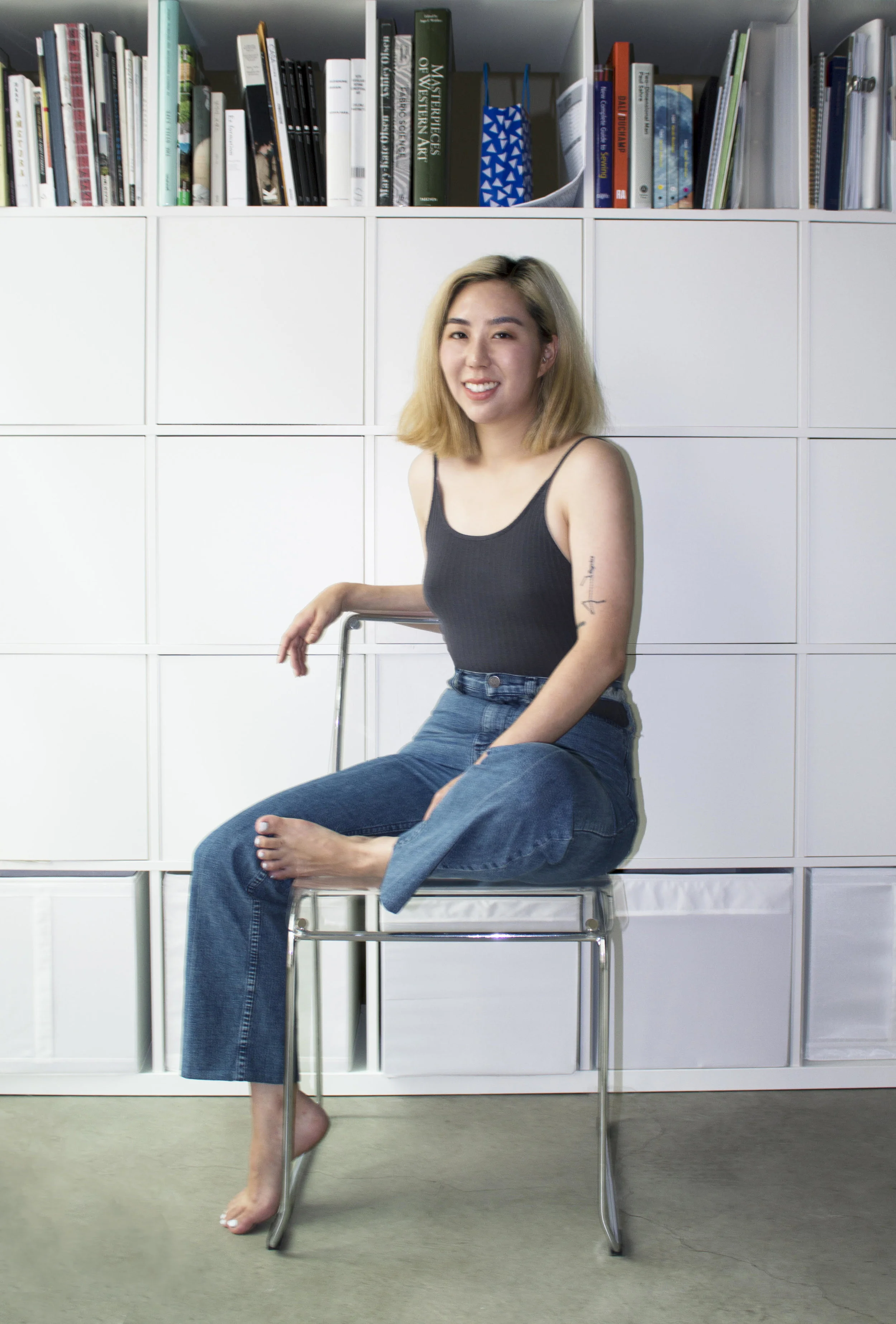
“Always be your own biggest fan. If you don’t truly love your own product or believe in your own brand, people will know.”
Lauren Jin, Founder, CLE Cosmetics
In the highly saturated industry of cosmetics, there is an abundance of brands that sell makeup to look good but, what about makeup that is designed to feel good, on both the skin and the mind? Sounds groundbreaking but disruption wasn’t part of the plan for CLE Cosmetics founder Lauren Jin. Her objective was simple: to create quality beauty products that nurture your skin and enhance your natural beauty, not hide it—disruption was a side effect.
Using all naturally-sourced and cruelty-free ingredients, Jin’s brand mission is based upon the concepts of universal beauty, transparency, and the allure of individuality. Initially pursuing a career in fashion, Jin switched gears and started from scratch, setting out on a mission to redefine beauty with a brand that celebrates all facets of femininity.
Among the many factors of CLE that set it apart from other beauty companies, the cosmetics brand derives inspiration from Korean Beauty technology and prides itself on the quality of its unique ingredients. Jin aims to make CLE’s products dual-purpose, creating makeup that looks great while making your skin feel great.
By selling products that invite customers to embrace their inner feminine, Jin has created a brand that stands out among a sea of more conventional cosmetic brands. In this feature of From Scratch, Jin clues us in on the unconventional beauty of taking the road less traveled.

Photo: Courtesy of CLE Cosmetics
Did you write a business plan? If yes, was it helpful? If no, what else did you use instead? Why did you not take that approach?
“I’m not sure if it counts as an official business plan, but I created a yearly goal and a list of things that I wanted to achieve. From there, I worked backward to solidify a step-by-step plan to execute these goals. Of course, over the years, I’ve had to tweak the plan as I went along. However, I’ve found that creating a concrete list of goals and plans has not only given me a strategy forward but also confidence in myself.
“I had to chart out each specific quarter of the business—one of my goals was to break even within five years through retail partnerships and sales. Though this felt daunting given that my background wasn’t in business, I felt that I had the right intuition to move forward. So, I honed in on that intuition instead of taking on a more conventional approach. Previously, I studied womenswear at Parsons and the Royal College of Arts in London, then went on to work for brands such as 3.1 Phillip Lim and VPL, where I learned about business infrastructure. I saw the inner workings of their business operations, as well as what it takes to create a company’s culture. I had the experience of working at VPL, which was quite a niche, as well as Phillip Lim, an international brand. Though the companies’ goals were mainstream, experiencing each department at these companies like it was its own individual design house was invaluable to me.
“VPL folded in the mid-2000s because the founder/designer and the financial advisor didn’t share the same vision. After that experience, I’ve been extremely careful to create a brand that seamlessly marries both the creative vision and business goals. My goal now is to lead the brand for ten years, then revisit the overall business later on, especially if there are possible acquisitions. I believe that ten years will give us enough time to build a strong brand.
“My vision for CLE Cosmetics is not to be “the best,” then suddenly die out. I’d rather focus on slowly building the right foundation for the company—creating a true namesake brand, as well as a cult following. I’d like for CLE to stand as its own solid figure in the beauty industry. And honestly, it’ll take time to achieve that. Instead of any aggressive campaigning, such as billboard ads, I’d like to move the company forward in a strategic way. I also don’t want to be burdened by any external finances, so ideally, we’d work with angel investors and break even later on. Amidst the onslaught of beauty brands and the saturation in the industry, I believe that slow and steady wins the race.”
How did you come up with the name? What was the process like? How did you know it was the right name? What are some of the things you considered during that process?
“The name CLE occurred to me while I was walking around London. At the time, I was playing around with abstract words—I wanted to create something that didn’t have a specific definition and that wasn’t too complicated. Ideally, it’d be something light, airy, and quick to say. No fuss. I knew that CLE was the right name when I realized how easy it was to pronounce. It just rolls off the tongue and feels nice to hear out loud.
“However, it doesn’t mean anything—the brand, as a whole, embodies the name and meaning. Also, it’s not an acronym, but more of a representation of the community of people who use our products for its functionality and beautiful design.”

Photo: Courtesy of CLE Cosmetics
What were the immediate things you had to take care of to set up the business? (Website domain/setup, trademark, name, business name listing social channels, etc)
“Once I settled on the name, I immediately checked to see if it was legally available to use. Thankfully, it was. I then signed up for a business license in Los Angeles, then secured the website domain and social media handles (Instagram, Facebook, and Twitter). After that, I worked with an attorney to set up the trademark, the corporation, and then the necessary infrastructure to hire a team.”
What research did you do for the brand beforehand? Why would you recommend it?
“The idea of CLE was actually a continuation of a concept that I’ve developed over the years as a womenswear designer. I’d highly recommend putting in the necessary prep work with extensive research, planning, and simply even letting yourself marinate on your concept. There’s value in taking a step back and revisiting your ideas with fresh eyes. By doing so, you’ll be able to back up your brand and its ethos that you’ve developed.
“Over the course of seven years, CLE was an ongoing idea of a certain woman that I envisioned in my mind. I didn’t research any competitors because the brand was an extremely personal concept for me. I think I’m better off for doing so, because it was only me, and there’s only one of me. Ultimately, I was able to keep the brand true to who I am, instead of being influenced by any other competitors in the industry.“

Photo: Courtesy of CLE Cosmetics
How did you find the manufacturer/production facility that you use? Did you have any bad experiences? What did you learn? What advice do you have for other founders looking for a trustworthy manufacturer?
”Luckily, I haven’t had any bad experiences. I’ve had some hiccups on production timelines, but that came about more from unforeseen circumstances. The best advice I can give is to make sure that you find people with excellent communication within their company structure. By doing so, they’ll be able to relay information and updates as quickly as possible to you. Efficient communication is definitely the key to working with others.
“In South Korea, the manufacturers are very open to working with new businesses. They’ll try anything you want, so long as you’re able to clearly communicate with them. Of course, it helped that I’m fluent in Korean!
I’ve learned that the product development phase is crucial. Our Melting Lip Powder was our first product, and it took over one year to make. While the technology was there from the start, we had to ensure that the product launched with the correct shades.”
Did you self-fund the company? Did you raise seed money or initial investment money? Why/Why not? What would you recommend?
”Luckily, I was able to raise funding for the company with an angel investor, who’s been very supportive from the start. There wasn’t any seed money involved. The difference between both is that an angel investor allows for freedom by being pretty hands-off. As CLE’s CEO and creative visionary, I’m thankful that we started off in this way because it’s enabled me to build a brand on my own terms. Venture capitalists would’ve wanted to take control of the brand, so I’m thankful that I can maintain autonomy over it.”
How much did you pay yourself? How did you know what to pay yourself?
”Based on my past freelance work experiences as a student, I came to a conclusion of what my pay per hour should be. I then calculated that on a monthly and yearly basis, which gave me a good idea of how much I should be paid.”
“Lately, we’re interested in the women who aren’t just conventionally beautiful, but are unique. We want to reach a specific demographic of women who were real—your everyday girl.”
How big is your team now? What has the hiring process like?
”Our team is still very small—we have two full-time employees and two freelancers. I was fortunate to meet some bold individuals who actually reached out to me about an opportunity at CLE first. I’ve seen that hiring can be very organic, where the right people will come onto the brand at the right time.
“I’ve also had the previous experience of trying to hire through a recruiting site but would get discouraged by some candidates who weren’t right for our company culture. Ultimately, it’s about finding the individuals that align with your brand ethos. I’ve found the best candidates when I’ve tapped into my own network of contacts. And as I mentioned earlier, one of my employees reached out to me organically, and we eventually hired her to join the team full-time. So, a lot of it falls on the right timing and a bit of luck.”
Did you hire an accountant? Who helped you with the financial decisions and set up? What do you recommend (programs etc) / advice do you have for that?
”Yes, hiring a third-party accountant was one of the first steps I made. I also made some financial decisions from simply learning as I went and researching as much as I could into any relevant topics. My advice would be to have a clear budget, but not be completely bound to it. I’d also be very cognizant of it while planning out the rest of the business. Also, just start anywhere! I used Excel.”
What has been the biggest learning curve during the process of establishing a business?
“The biggest learning curve has not only been managing my team but also myself. I’ve often neglected my own personal needs while trying to establish this business. I became so focused on building this brand that I started to put my own self on the back burner for the majority of my time.”

Photo: Courtesy of CLE Cosmetics
How did you get retailers to start stocking your product? Were you told no?
”Since I changed industries by starting CLE Cosmetics, it was difficult to find stockists at first because I didn’t have the right connections for it. So, I took the traditional route of going to trade shows and forging my own connections from the ground up. We’ve definitely gotten our fair share of no’s, but have learned from them and have moved onto other opportunities. Overall, I try to keep a positive outlook on these things—if a retailer says no, I believe that it wasn’t meant to be.”
Do you have a business coach or mentor? How has this person helped? Would you recommend one? How do you get one?
”I don’t have a business coach. Instead, I look up to women such as Stella McCartney, who has found success despite all the preconceived notions about her. Phoebe Philo is another example of someone who’s stayed true to herself. At the height of her career at Chloé, she took time off to be with her kids, then came back to take the helm at Céline. There shouldn’t be fear around spending time with your family, then reentering the workforce. I admire these qualities in these two women—how they carry themselves, how genuine they seem, and how they’ve excelled in both their career and personal lives.”
“Overall, I try to keep a positive outlook on these things—if a retailer says no, I believe that it wasn’t meant to be.”
How did you promote your company? How did you get people to know who you are and create buzz? Did you know anything about marketing before this venture?
”Our main source of press and marketing was Instagram, at first. I quickly came to understand that Instagram was the best platform to spread brand awareness. Fortunately, I was able to work with freelancers and third-party agencies to help me with this marketing, as I didn’t know much about it in the beginning.
“Lately, we’re interested in women who aren’t just conventionally beautiful but are unique. We want to reach a specific demographic of women who were real—your everyday girl. The type of woman who’s natural, effortless, and doesn’t want or need to pile on the makeup. We want to speak to the working woman who wears makeup for all-day wear, as well as the fun, quirky woman who appreciates more of the creative aspects of makeup. We also honed in on micro-influencers, who, on their own, are big influences in their own communities. We’ve never gone for top-tier influencers.”
What is one thing you didn’t do in the setup process, that ended up being crucial to the business and would advise others to do ASAP?
“I’d advise any new business owners to always think two steps ahead—whether that’s in planning, product development, press schedules, as well as any foreseeable speed bumps along the way. I also wish that we had focused more on brick and mortar opportunities for our consumers to experience our products in a tactile way. You just don’t get the same experience on an e-commerce website. I also wish that we had a better video strategy—we’ve focused on educational video content, but we’re not seeing the lift from it yet.”
For those who haven’t started a business (or are about to) what advice do you have?
“My advice would be to always be your own biggest fan. If you don’t truly love your own product or believe in your own brand, people will know.”
Slow Stories—Literally, Slow Down: How Taking a Content Break Can Lead to Successful Storytelling
The turtle wins the race.

Photo: Courtesy of Slow Stories
Ahead of the season three launch of the Slow Stories podcast, I'm thrilled to return to our namesake column after a summer-long hiatus. When I wrote the most recent article in July, I was on the tail end of a period where I had essentially been operating on autopilot. Naturally, this ran counter to the idea of slow content and the themes that we explored last season on the podcast.
While my work certainly didn't stop this season, taking a brief pause from this particular initiative allowed me to recalibrate how I am able to fully implement a slower and more thoughtful approach to content across my personal and professional channels. As things kick into high gear for the upcoming fall/holiday content craze, I'm sharing a few things to think about if you're planning to rethink your content strategy during a high energy time.
Create Context
The most direct way to set the tone for a slowdown in content is to establish context as to why your audience can expect changes. This can range from a formal announcement outlining concrete details and timing of a content hiatus, or if you're unsure as to how long you need to recalibrate, subtle changes in your content calendar over an extended period. If you're a personality or individual content creator, I also encourage revisiting my April article, which also touches on the importance of boundaries. At the end of the day, whether you're a personal brand or business, it is at your discretion to decide how much you share online about the choices you're making within your company.
Adjust Your Posting Cadence
If you don't want to shock your followers with an unexpected silence, ease them to the changes by establishing a routine that is more in-line with your current content calendar. For instance, if you're in the middle of a visual rebrand and don't know how to incorporate this transition in your content, include elements that are reflective of your upcoming relaunch (i.e., inspiration imagery that contains colors from your brand color palette, behind-the-scenes creative imagery, etc.).
Or if it's a matter of the kind of content you want to step away from for a while, think about alternative ways to stay engaged with your audience. For example, if you are looking to step away from more highly-produced content, you don't have to stop publishing entirely. Instead, you can focus on "off the cusp" content geared towards mediums like Instagram Stories or Snapchat versus content that traditionally requires more planning on a blog, website, or Instagram feed.
Consider What a "Storytelling Sabbatical" Might Look Like
Regardless if you're in a marketing or content-focused role, creating content can be a full-time job in our current business landscape. Many modern companies have introduced sabbatical programs for tenured employees to take time off away from work and come back feeling recharged. The same thought-process is worth exploring in roles that require "always-on" responsibilities. While it would be challenging to step away from digital storytelling completely, if you are in a leadership position, consider implementing breakpoints that allow your team to immerse themselves in their field outside of the office.
Perhaps there is an opportunity to facilitate an offsite retreat or outing. For individual team members who may need to recharge, consider covering charges for a co-working space or an industry conference (like Create & Cultivate!) that will enable them to still add value to the company while also providing space for personal growth. The most compelling content and stories derive from innovative thinking. Sometimes all it takes is stepping back for a moment to inspire a considerable leap forward in the long run.
With the above points in mind, if you can take a content hiatus (either personal or professional) here are a few ways to maximize your time:
Regroup with Your Team or Collaborators
Whether you're in a corporate team or a solopreneur, storytelling is a collaborative effort. Use the time away from your devices to encourage face time to brainstorm and reconnect with those you work with closely.
Relaunch and Revise
When it comes to creating content with longevity, timing is crucial, so take the added time off to experiment and refine your content strategy, branding, or medium.
Redefine Your Definition of "Content"
Finally, think about how content exists in a modern landscape. Can events or experiences be content? Does content take shape in the form of a book or printed entity? Posing these questions will inspire new ways of thinking about how to disseminate your brand's story so that it keeps people on their toes while still connecting with in-the-know consumers.
These are just a few thought-starters to think about as you plan an upcoming content break and how to make the most of that precious time away from your screen. And if you need some inspiration during that time away, I encourage you to listen to the slow stories contributed by creative professionals in CONNECT(ED)ITORIAL's community.
I'll be back with my next article in October, but until then, check out these highlights from our season two podcast contributors:
Episode: Brandy Pham of PLANOLY on Creating Content with Purpose and Empathy
Opened by fashion illustrator Jeanette Getrost. Jeanette shares why The Florence Academy of Art Instagram page inspires her.
Opened by digital strategist and Written Coffee founder Ellie Eckert. Ellie shares why the book Applied Empathy resonated with her.
Opened by jewelry designer Grace Wong. Grace shares how Company of One speaks to what she's trying to do as a solo, small business owner.
Episode: Kathryn Duryea of Year & Day on Fostering Vision, Values, and Enduring Stories
Opened by Michelle Toney, co-founder of Morrow Soft Goods. Michelle shares a couple of books that have inspired her to slow down and lean into her imagination.
Episode: Carolyn Witte of Tia on How Content Can Shape How We Think About Modern Healthcare
Opened by Matisse Bustos-Hawkes, founder of Otro Lado Communications. Matisse shares why a podcast snippet featuring Sabrina Hersi Issa inspired her.
Episode: Alisha Ramos of Girls' Night In on Storytelling That Inspires Self-Care
Opened by Erin Allweiss, co-founder of No. 29. Erin reflects on two notable talks that resonated with her at the TED Conference.
Episode: Michael Ventura of Sub Rosa on Applying Empathy in Business and Storytelling
Opened by Veronica Souza of Vero Branding. Veronica shares why rediscovering a manifesto from her favorite cookbook reinvigorated her to slow down.
Episode: Tanya Taylor on Slow Content, Sustainable Style, and Standing up for Women Everywhere
Opened by Avery Cox, an interior designer. Avery shares why a compelling photography series by Anna Boyiazis inspired her.
To learn more about what slow content means and what it can mean to you, check out my first column here.
ABOUT THE AUTHOR:
Rachel Schwartzmann is the Founder and CEO of The Style Line LLC. She created The Style Line in late January 2011 via Tumblr and has fostered The Style Line’s brand in its growth since then. Rachel has been featured in esteemed sources including Forbes, Refinery29, and MyDomaine and has also spoken at Create & Cultivate and Columbia University on establishing a unique brand point of view and entrepreneurship. On October 1, 2015, Rachel took The Style Line in a new direction as a boutique content company with the introduction of its slow content agency CONNECT(ED)ITORIAL.
You can follow Rachel at:
The Style Line: @thestyleline (Instagram, Facebook, Twitter)
CONNECT(ED)ITORIAL: @connecteditorial (Instagram)
Rachel Schwartzmann: @rachelschwartzmann (Instagram) @RMSchwartzmann (Twitter)

From Scratch: How This Founder Turned the Gut Health Trend Into a Best-Selling Beauty Brand
It’s an inside job.
We know how daunting it can be to start a new business, especially if you’re disrupting an industry or creating an entirely new one. When there is no path to follow, the biggest question is, where do I start? There is so much to do but before you get ahead of yourself, let’s start at the beginning. To kickstart the process (and ease some of those first-time founder nerves) we’re asking successful entrepreneurs to share their story in our new series, From Scratch. But this isn’t your typical day in the life. We’re getting down to the nitty gritty from writing a business plan (or not) to sourcing manufacturers and how much they pay themselves, we’re not holding back. If you want to know how to start a business, you’ve come to the right place.

Photo Courtesy of: Create & Cultivate
Of all the interviews we’ve conducted at Create & Cultivate, one of the main messages we hear from successful founders is find a need, figure out the white space, and turn it into a business. But here’s the thing, finding your niche or that untapped market can be tricky: You could list all of your interests and passions and still come away feeling as if you haven't hit upon the singular thing you were meant to do.
When you do find it, you’re often faced with anxiety-inducing panic because you now realize you have to execute it and if you don’t move fast enough, someone could copy it! But the question is—is it better to get up and running and be the first to market, or wait around and do it right?
For Carla Oates, it was always about doing it right. Her entrance into the startup world was ignited by her desire to see change. During her time as a beauty editor, Oates felt frustrated by the industry’s lack of transparency about the potentially harmful effects of their products and couldn’t stand idly by while people used ineffective chemicals to treat their skin. This is how she came to start The Beauty Chef, a company revolving around the concept that “beauty begins in the belly.”
Oates is no stranger to struggles with health and skincare. Dealing with eczema and allergies since childhood, she learned from an early age the strong connection between one’s mind and body. Oates is a firm believer that taking a holistic approach to skincare and wellness will make your skin brighter and healthier than any cosmetic product could achieve.
We had the pleasure of sitting down with Oates to share her journey from blogger and stylist to beauty guru and author of best-seller Feeding Your Skin, The Beauty Chef Gut Guide, and The Beauty Chef recipe book.
Did you write a business plan?
“When I first started out I didn’t have a business plan. I had no idea about the business. I had created the product now known as GLOW™ Inner Beauty Powder and developed a simple website where customers could purchase the product online. From there the business grew very organically, and it wasn’t until the third year when I saw a substantial increase in demand across various different retail channels that I felt it necessary to create a strategy and business plan to support the additional growth.”
How did you come up with the name? What was the process like?
“In 2009, when I brought my first product, GLOW™ Inner Beauty Powder to market, the business was actually called Carla Oates Beauty. At the time I was also giving a lot of talks at various organic and beauty expos around how to make natural recipes for skin health using raw ingredients. I’d been deliberating on whether I wanted my name to be the brand name or to keep it separate. Around this time I started titling my talks—as well as my regular column in Australia’s Sunday Telegraph—as The Beauty Chef.
“As the business grew it made more and more sense to streamline my talks, the brand, and the products to this name. My very first product that launched in 2009 was called Carla Oates Beauty Inner Beauty Powder and in 2012 I decided to change the name of the brand to The Beauty Chef as I felt it was a strong, more cohesive representation of what I was doing. This decision also helped in separating me from my brand—our mission to help people be the healthiest, happiest versions of themselves has always been bigger than one person.”
What were the immediate things you had to take care of to set up the business?
“All of the above! Website domain, business name, and trademark. Setting up our socials didn’t come until a little later.”
“I knew looking after your skin properly was an inside out job.”
What research did you do for the brand beforehand? Why would you recommend it?
“Research came in the form of my personal journey to creating The Beauty Chef, which really stems from my own skin and gut health issues and that of my family’s. As a child, I suffered from eczema and allergies and my mum took me to see a naturopath who dramatically changed what I ate, removing processed foods as well as allergens such as gluten and dairy from my diet. My allergies and eczema subsided, so I experienced firsthand the connection of food as medicine—that what we eat can affect our skin and health.
“As a journalist in my early career, I landed a job as a beauty editor for a mainstream newspaper and was inundated with lots of beauty products from mass-market brands. My excitement soon dissipated, after researching the ingredients and becoming increasingly concerned about the many toxic chemicals in skincare products. Women from all over Australia were writing into my column asking for advice on what products to use for their eczema, psoriasis, acne and other chronic skin issues. I knew looking after your skin properly was an inside out job from my own experience with eczema, and knew that none of these chemical-laden products would actually help, heal or regenerate their skin.
“I decided to make it my mission to help change the paradigm in the beauty industry and help educate women on how to look after their skin in a healthier and more holistic way. So I left the newspaper, wrote a book with Penguin books in 2004 called Feeding Your Skin and became the natural beauty writer for Wellbeing magazine, who I still write for today. I also penned a natural beauty column called DIY Beauty for the Sunday Telegraph newspaper for eight years, and during that time wrote hundreds of articles on natural health and beauty. I was the ambassador for organic skincare for the Biological Farmers of Australia for nearly two decades and am currently an ambassador for Australian Organic.
“Interestingly, when my daughter also experienced eczema and allergies, around 12 years ago, when she was about ten, I eliminated trigger foods like dairy and gluten from her diet, but I also started researching the link between gut health and skin health and found some of the studies very interesting. As I explored this link more closely, I decided to put my family on a gut-healing protocol which included eliminating certain foods from our diet but also introducing lots of Lacto-fermented wholefoods teeming with beneficial bacteria aka probiotics into our diet. These included foods like sauerkraut, kefir, and kimchi. As I began to experiment in my kitchen at home, Lacto-fermenting a variety of whole foods, I realized I was onto something.
“Friends and family also took notice, asking what I was doing differently as my skin was glowing and I quickly became the local beauty pusher and supplier of these fermented foods as they became in high demand from everyone from neighbors, friends, and family. They found they had better energy, happier tummies, and healthier, more radiant skin. From here in 2009, the first iteration of GLOW™ Inner Beauty Powder was born, my first inner beauty product containing 24 bio-fermented superfoods with prebiotics and probiotics for gut health, glowing skin, and wellbeing.”
How did you find the manufacturer/production facility that you use? Did you have any bad experiences? What did you learn?
“Like a true journalist, I found our manufacturer through research. I did have some interesting experiences, to begin with as I was just starting out. The orders and quantities I was placing were modest and not in line with their usual requirements for minimum runs so I had to convince them and gain their buy-in that the business would grow. A key piece of advice I would pass on to anyone starting out is to ensure you have all correspondence in email so that there’s a record of the conversations. Also, be very clear about what you will and will not accept in your products.
“The processes and ingredients must be compliant with your brand philosophy; it’s important to be persistent, strong and dogged with your manufacturer from the onset as you don’t have the buying power and protection of bigger brands. Ensure that you obtain a solid, rigorous supply agreement from them early on to guarantee best practice is maintained between both parties.”
““I began the company with a few thousand dollars.””
Did you self-fund the company? Did you raise seed money or initial investment money? Why/Why not?
“The Beauty Chef products came from a genuine need rather than the approach of setting out to start a business, so I began the company with a few thousand dollars—$5000 to be exact. My first big break in a commercial sense came when I was approached by an agent at TVSN, the TV home shopping network here in Australia to sell GLOW™. In order to facilitate this opportunity, I funded the first run of products myself. GLOW™ was received very positively, meaning I needed more money to up the quantities that were being produced, so my sister and a best friend invested in the business and are still shareholders. To this day, GLOW™ is the number one seller in TVSN’s health category—and the continued success helped inject capital into my business.
“My biggest piece of advice to those starting out would be to do as much as you can yourself and remember that debt is always cheaper than giving away equity in your business. For me, keeping control of the brand in order to execute the vision without it being diluted has been paramount. That said, it really depends on the individual brand. Variables like growth and capital requirements can be important for attracting investors from a strategic and funding perspective, but it must be the right person(s) who can further amplify your growth and share the vision. The right partnerships are very important—PR, manufacturing, investors, etc.”

How much did you pay yourself? How did you know what to pay yourself? (You don’t have to give the $ value, just the percentage)
“Nothing for the first year. Following that, I paid myself $600 AUD a week for another year, and it went up incrementally from there. I supplemented this income by doing writing work for magazines.”
How big is your team now? What has the hiring process like?
“We now have 30 full-time staff at our head office in Sydney, Australia. Up until about two years ago when I brought on an external HR company, I did it all myself. I had no experience but knew I needed to find the right people with the right skillset. Do not compromise to fill a headcount. Be sure to follow your gut and to ensure that the person is the right cultural fit for the company. It also helps if the person has an interest in the brand mission, as their passion will run deeper if they have that personal interest that pulls them towards the product and philosophy.”
Did you hire an accountant? Who helped you with the financial decisions and set up?
“Yes. I hired an external accountant to help with taxes but I made all the financial decisions to begin with, which was a huge learning curve. I hired my first in-house account two years ago which helped alleviate the pressure from me enormously. One of the most important things I’ve learned when you start a business is to find a good accountant. In my experience, this is not easy. It is really important to understand the finances of your company and have a good understanding of taxes, tax concessions, grants, etc. So even if you are not all over the small details, you can pick up if something doesn’t look right. My advice is to ask questions! Continue learning and use your common sense. I ran a lean ship at the beginning, and kept overheads really, really low checking on cash flow and production flow charts each week and often on a daily basis.”
“Do not compromise to fill a headcount. Be sure to follow your gut and to ensure that the person is the right cultural fit for the company.”
“Look after your gut, be gutsy and follow your gut instinct!”
How did you promote your company? How did you get people to know who you are and create buzz?
“I had worked as a fashion stylist and beauty editor for several years so I had exposure to PR and marketing but no direct experience. I remember when I first launched GLOW™, beauty editors, while being baffled, were also intrigued, so it received a lot of attention from the media. As a result of a piece written on the product in Vogue Australia, the buyer from the Farmers department store in New Zealand called me and said that she had seen a story on the product in a magazine and bought it from my website. She was amazed by the results and said she would love to stock it but there was nowhere to put it on the shelves—no category for it, and that it was way too ahead of its time.
“As you can imagine, pioneering a category means you need big marketing spend to educate people about a new concept. So with very limited marketing spend, and no awareness of the category, how was I to market this new product and concept? With no shelves to put it on?
“You can’t ever underestimate the power of word of mouth! Our product worked—and people talked about it— they told their neighbors who told their aunts, their work colleagues, their cousins. And then once TVSN caught wind of it and asked me to sell it on live television this gave me national reach and a fantastic platform to educate the customer about the concept and it resonated with them.”
What is one thing you didn’t do in the setup process, that ended up being crucial to the business and would advise others to do ASAP?
“Not creating a business plan from the outset and not having a deeper understanding of margins and profitability. I had picked the most expensive raw ingredients and chosen a fermentation process that takes 6-8 weeks. Neither of these things is commercially viable yet ultimately has set the brand apart. Funnily we haven’t been able to partner with a distributor as our products cost so much to manufacture however it has worked in our favor, as The Beauty Chef has become known for quality and efficacy and I wouldn’t have it any other way.”
For those who haven’t started a business (or are about to) what advice do you have?
“Look after your gut, be gutsy and follow your gut instinct!”
Shop some of our The Beauty Chef favorites:

Collagen Inner Beauty Boost
$50

Body Inner Beauty Powder
$70

Well Spray Inner Beauty Support
$29
Nature Needs Heroes—Timberland Is Calling on the Next-Gen of Conscious Creators to Put the Planet First
Put your best “green” foot forward and shop with a conscience.

We’re coining them the “zeroes”—this new generation of zero-waste heroes are conscious creators, plantfluencers, and eco-crusaders that are marching to the beat of a green drum towards a sustainable future. They’re also keeping the fashion industry accountable for its high waste-producing reputation. (For context, the EPA estimated rubber, leather, and textiles make up more than 9% of all solid waste within the US.)
According to the Pulse of the Fashion Industry 2019 Update, more people are choosing to look for fashion brands with an eco-friendly focus. In fact, 75% of consumers in the report view sustainability as either extremely or very important to them. But we’re at a critical point where the environment can no longer wait for the consumer to lead this movement—it’s up to fashion leaders to make the bold moves and switch to a sustainable business model. That’s why we’re so thrilled to be partnering up with Timberland for their Nature Needs Heroes event at their stunning NYC flagship on 5th avenue.

Photo: Courtesy of Timberland
While the lens on sustainability has been magnified in recent years, Timberland’s environment-first commitment has been ongoing. In a bid to alleviate the fashion industry’s impact on global C02 emissions, they’re going to plant 50 million trees over the next five years—they’ve planted more than 10 million trees worldwide already.
We’ve invited four conscious creators for an enlightening conversation on why putting the planet first is good for all—and we want you to join us!

Photo: Courtesy of Timberland
Read on to learn more about each of our panelists, the work they're doing, their mission, and why we should get behind them—be sure to RSVP NOW as space is limited and this will fill up fast!

Photojournalist exploring sustainability and social politics, founder, Adimay.
You can’t talk about sustainable fashion without mentioning Aditi Mayer. The creative force by sustainable fashion blog, ADIMAY, she has been exploring the ties between style, sustainability, and social justice for four years. *Read: Before it was a buzzword. Frustrated with the lack of representation and intersectionality within the sustainability movement, ADIMAY became a space that looked at sustainability with an eye that was equally curious, curatorial, and critical.

Deborah Shepard
Digital Content Creator, Clothed In Abundance
The 25-year old writer and speaker founded Clothed In Abundance to teach people about the benefits of minimalism and how the art of decluttering can positively impact our mental health, and finances. Deborah teaches spiritual women to care about things, deeper than things. She’s also the founder of Broke Not Broken a clothing line and upcoming podcast that supports and uplifts mental health survivors through the power of storytelling. Follow her minimalism journey on Youtube, Instagram, and find out how to support her work.

Founder, Trash Is for Tossers
As the founder and CEO of Package Free, Lauren Singer is on a mission to make the world less trashy by offering products that help you reduce waste daily. Her zero-waste editorial platform, Trash is for Tossers is an extension of that MO where she showcases how to live a low or zero-waste lifestyle that’s cost-effective, accessible, and fun.
An Environmental Studies graduate from NYU, former Sustainability Manager at the NYC Department of Environmental Protection, and popularizer and pioneer of the Zero Waste Movement, the amount of trash that she has produced over the past eight years can fit inside of a 16 oz mason jar. Singer has empowered millions to reduce their waste and has kept over 100 million pieces of trash out of landfills through her work at Package Free.

Founder, Reading My Tea Leaves and Author, Simple Matters
As the writer and photographer behind popular lifestyle blog, Reading My Tea Leaves Boyle writes about all things slow, simple, and sustainable. In 2016, she authored her first book, Simple Matters—a nod to the growing consensus that living simply and purposefully is more sustainable not only for the environment but for our own happiness and well-being, too. Boyle embraces the notion that “living small” is beneficial and accessible to us all—whether we’re renting a tiny apartment or purchasing a three-story house.
Please come and join us on October 2 at Timberland’s NYC flagship on 5th avenue from 6:30—9:00 PM for our panel conversation “Conscious Creators—Why Putting the Planet First Is Good for All” and celebrate a more sustainable future. Make sure you RSVP HERE because this will be sure to fill up fast!
Everyone's Got Rhythm: How Music Promotes Happiness and Well-Being

Have you ever taken a moment to consider the power of music? According to research by the National Alliance of Mental Illness music therapy can benefit several mental health conditions including depression, trauma, and schizophrenia (just to name a few). Apparently, music acts as a medium for processing emotions, trauma, and grief but it can also be a calming agent for anxiety. That’s some powerful stuff, right?
Beyond music’s therapeutic abilities, just listening to music and playing instruments raises our overall happiness meter. We’ve all experienced those warm and fuzzy emotions when a nostalgic throwback song comes on the radio and we are instantly transported to another space in time. Music affects our sensory system more than we realize.
What if we told you that you could improve your mental health just by learning how to play a new instrument? You don’t even have to master it. Just learning how to read sheet music or attempting to play the chords can have the same positive impact. Oh, and from the comfort of your own home, or car, or desk—we aren’t joking!
Our friends at Fender have created an app known in the marketplace as Fender Play and we are in awe of its capabilities. This groundbreaking app teaches you how to play guitar, ukulele and bass, anywhere. Attendees at our Self Care Summit this year were some of the first to experience the app during the Fender Play ukulele class. But if you couldn't be there, we interviewed Fender Digital’s Director of Product, Mary Keenan to take a deep-dive on music therapy, how to play an instrument at the tap of an app, and so much more.
Follow along for some hard-hitting facts and deep insight on why music is something we all should embrace—for the betterness of our minds and bodies.
Create & Cultivate: What does your role entail at Fender? In what ways does your role touch Fender’s app, Fender Play? How long did it take to develop? Tell us everything!
Mary Keenan: “I oversee the curriculum and learning for Fender Play. I work closely with the other members of the product team to define the learning experience in the app. My team designs and writes each of the lessons used on Play and interacts with the production team to get it shot. We publish all of our content and, most importantly, provide support to users who are actively using the program. That helps us to shift our curriculum roadmap as we grow.
“We just celebrated our two-year anniversary. From initial germ of an idea to launch, it didn’t take us long to write and shoot the few hundred lessons we started with. However, we are expanding our content every day and have gone from hundreds to thousands today.”
C&C: Can you provide us with a rundown on the app? Why should people download it?
MK: “Fender Play is an online learning platform specifically for beginners. It’s designed to get you playing in minutes using a guided learning experience showing, step-by-step, how to get there. We bring players from the first step, how to hold the instrument, all the way through playing songs at an intermediate beginning level.
“Why download it? Because it works. We have over 17 thousand five-star reviews from users telling us this is the first time since trying to learn that they’ve really been able to play. That’s exciting to hear, but not really surprising. It’s because we approach learning a little differently than other programs.
“Our goal is to cater to busy lifestyles. Not only can you practice anywhere, anytime but Fender Play also helps you learn hundreds of skills with lessons averaging two to six minutes in length. Our videos are shot in very high-quality 4K, with clean and simple concepts presented one at a time. We break down what is a very overwhelming process into bite-sized, achievable steps. Anyone who has a goal of learning to play and gets motivated by quick results is going to love the approach.”

C&C: In your own words, how does music cultivate happiness?
MK: “When we think and talk about music, we often think about it as a hobby. But music is actually an essential part of our physical, mental and emotional health. There is ample research surfacing about how the brain and body reacts to music, thus uncovering more about the benefits of music than ever before. From my perspective, music cultivates happiness by bridging gaps—creatively, socially, academically and even deep in the recesses of our own brain.”
C&C: How is learning to play an instrument and read music crucial to brain health?
MK: “The list of physical and emotional advantages of playing an instrument is about a mile long. It helps with speech, literacy, math, dexterity, emotional intelligence, improved memory and overall IQ. It turns out that we use many parts of our brain when we listen to and play music.
“If we play enough to develop muscle memory, it gets stored for the long term in the cerebellum. Reading music taps into the center of the brain where language is processed. Playing an instrument is a complex psychomotor task, which means that it requires a combination of motor control, auditory and cognitive work to even happen.
“More recent research shows that everyone benefits from musical instruction, from very young children to seniors. Our brains have neuroplasticity which allows us to actually cause measurable changes by playing music. So cognitive and neural function is improved across the board, regardless of age. Fender Play takes advantage of this finding by applying some key learnings from neuroscience and biomechanics to the instructional approach.”
C&C: Music has the power to impact us on a deep, emotional level. How can music be therapeutic? How can music learning enhance our well-being and mental health?
MK: “Music is very connected to the emotional centers of our brain. When we listen to a song that we like we get a rush of dopamine, which is the hormone that puts us in a good mood, motivates us, and helps us to focus and complete tasks.
“Our approach leans into popular, familiar songs as a way to motivate our users to play. Each time a skill is learned, it’s presented again in the context of learning a new song, to promote learning transfer. Players feel excited about their progress and even more so about their playing when it’s applied to something familiar and fun.
“Research shows that learning music isn’t as effective at making changes to your brain when it’s music that we don’t like. But when we do like a song, that’s when you really start to see the impact on mental and emotional health.”
C&C: Are you aware of any scientific leads or proven facts surrounding music’s connection to well-being? If so, what might they be?
MK: “As for recent research, a couple of studies caught my eye this summer, two in particular that came out of the University of British Columbia. Both have different but important implications for learning and what we are trying to accomplish with Play.
“*University of British Columbia published a study in the Journal of Educational Psychology that demonstrated how students who learned to play a musical instrument in elementary school and then continued playing that instrument in high school were approximately one full year ahead of their fellow students in English, math and science. And the academic gains were even more pronounced for the students who played an instrument rather than taking vocal music.
“**Another really interesting bit of research was also released by the same university’s School of Health and Exercise Sciences. We have a natural tendency to adapt our own biological rhythm to match musical rhythm. Apparently upbeat music can make a hard workout seem less difficult—and not just emotionally. It’s so effective that it actually elevates our heart rate and peak power during exercise. Ultimately it can make challenging things literally feel less difficult to do.
“Taking it further, I recently came across an author and podcaster named Indre Viskontas who is a professor at the University of San Francisco. Her book How Music Can Make You Better is a wonderful read on just this topic. In the book, she talks about Melodic Intonation Therapy which is used in music therapy to help patients recover from traumatic brain injuries and strokes. It’s a fascinating picture of how music not only improves well-being, but is also used to treat conditions like anxiety, depression, autism and dementia. If we can increase academic achievement, make difficult things feel easy, and overcome debilitating mental and physical conditions by simply learning to play an instrument, it may just be worth giving it a try.”
References:
*Martin Guhn, Scott D. Emerson, Peter Gouzouasis. A population-level analysis of associations between school music participation and academic achievement. Journal of Educational Psychology, 2019; DOI: 10.1037/edu0000376
**Matthew J. Stork, Costas I. Karageorghis, Kathleen A. Martin Ginis. Let’s Go: Psychological, psychophysical, and physiological effects of music during sprint interval exercise. Psychology of Sport and Exercise, 2019; 45: 101547 DOI: 10.1016/j.psychsport.2019.101547
This post is in partnership with Fender.